
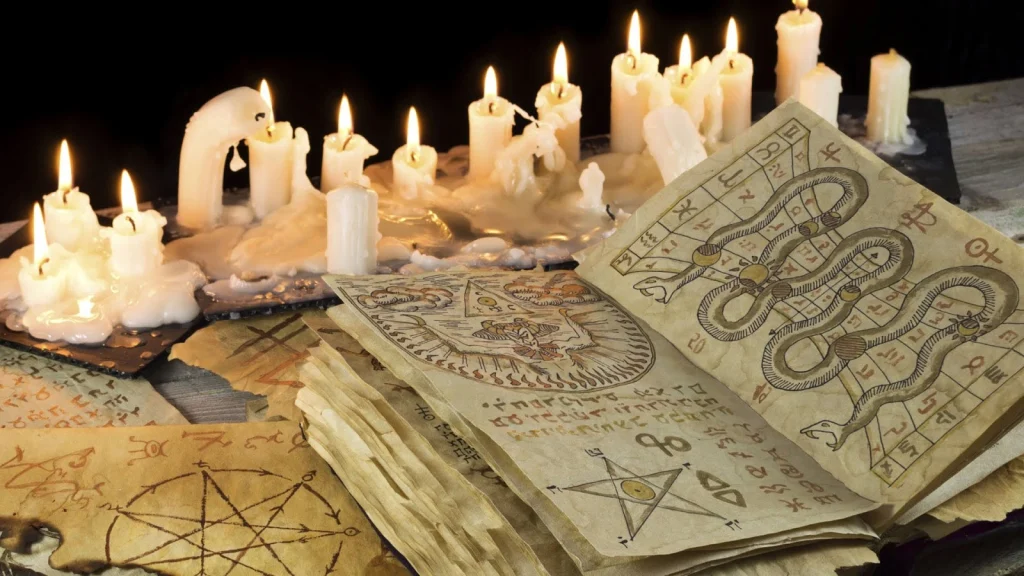
Dark magic (or black magic) spells have long been associated with ominous rituals, curses, and supernatural powers. By definition, black magic – sometimes called dark magic – is the use of magical or supernatural forces for evil or selfish ends. In folklore and history, dark magic rituals often involve forbidden acts like necromancy (communicating with the dead) or summoning entities. Whether you’re a curious beginner or a seasoned practitioner, understanding dark magic spells, their tools, and ethics is crucial. Below we explore dark magic rituals, common dark spells, and related practices in detail.
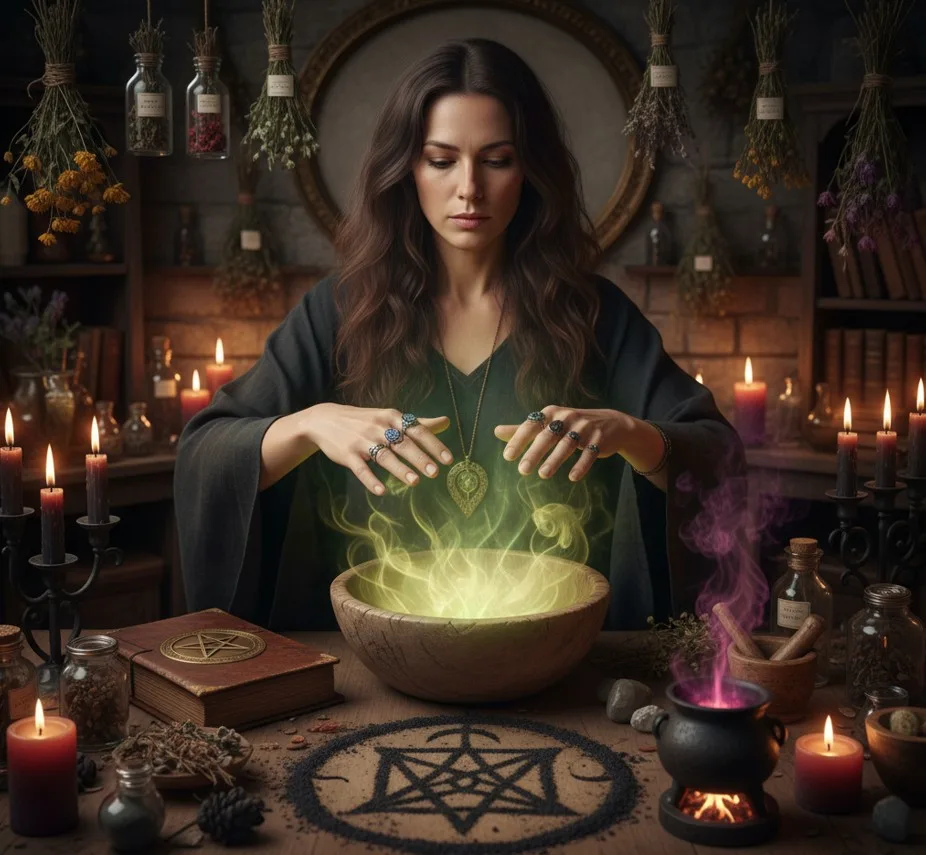
Dark Magic Rituals
A typical dark magic ritual might include candles, skulls, and incantations. In practice, dark magic rituals often take place at midnight or during the new moon, using an altar laden with symbolic tools. Common ritual elements include:
- Candles and Colors: Black or dark-red candles for power and protection (Color symbolism is important: black is traditionally linked to power and the occult.) Candles may be carved with sigils or anointed with oils.
- Altars and Implements: An altar with a sword/athame, chalice, or wand. Items like bones, skulls, mirrors or pentagrams are sometimes used as focal points.
- Herbs and Powders: Herbs like belladonna, mandrake, or nightshade (often associated with protection or curses) may be burned as incense or used in potions.
- Incantations and Grimoires: Spoken dark magic spells are usually recorded in a spellbook (grimoires) with precise incantations. These often call upon deities, spirits, or elemental forces.
- Symbolic Actions: Rituals may include chanting, dancing, or carving symbols. For example, necromancy rituals attempt to communicate with spirits of the dead, while hexing rituals might include burying symbolic objects or drawing hex marks.
Historically, practitioners believed these ceremonies could tap forbidden powers. HowStuffWorks notes that black magic has “ancient roots in blurred spiritual practices involving forbidden rituals like necromancy and demonic invocations”. In other words, many dark black magic spells trace back to medieval and even ancient traditions.
Occult texts often list dark spells that correspond to particular goals (for example, a curse to afflict a rival, or a protection spell that hurts an enemy indirectly). Regardless of the tradition, most rituals emphasize intention. In fact, modern occultists stress that it’s not the label “black” or “dark” that makes a spell harmful, but the caster’s intent. Always be mindful of your purpose when engaging in any magic practice.
Dark Magic Practice
Dark magic practice encompasses everything from setting up your workspace to the ethical mindset of the practitioner. Whether you’re a solitary witch or part of a coven, the general practice involves preparation, focus, and follow-through:
- Preparation and Focus: Practitioners often begin by casting a protective circle and grounding themselves with meditation. This helps contain the energy of the ritual. A clear, strong intention is essential – vague desires rarely manifest.
- Tools and Correspondences: Objects like knives (for carving symbols), candles, and talismans are prepared in advance. Colors (black for power, red for passion) and planetary hours (e.g., Friday night for love spells) may be used to amplify effects.
- Learning and Ethics: Study traditional texts or mentors to learn safe methods. Many occultists recommend understanding dark magic practice thoroughly before attempting anything. A famous dictum is “harm none,” which means considering consequences. For example, Wiccan traditions warn that love spells or curses that override free will are best avoided.
- Aftermath and Reversal: After casting a dark spell, practitioners often perform closing rituals (e.g., thanks or banishing) to dissipate excess energy. Debrief on results, and perform any counter-spells if unintended effects occur.
In modern occultism, some practitioners argue that self-defense or protection justifies black magic usage. However, others (like Wiccans) insist on focusing on protective or neutral spells. They caution that even well-intentioned love magic can “wear off or backfire” if it manipulates another’s free will. Ultimately, dark magic practice requires respect for both the craft and the consequences.
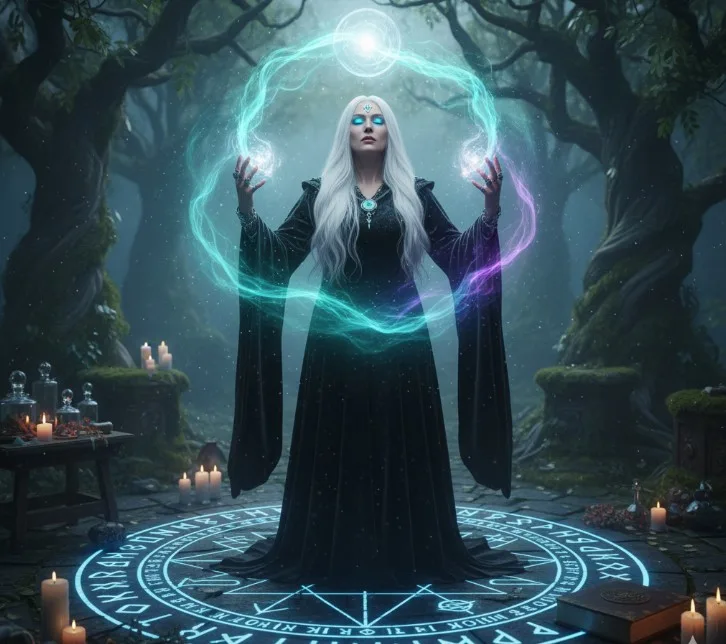
Dark Magic Love Spell
A dark magic love spell is an enchantment intended to attract or control affection, often at the expense of someone’s free will. Love magic has existed worldwide, but it’s ethically contentious. In historical magical traditions, love spells could be part of dark practices when used selfishly. Contemporary occult writers note that “even love spells… can be manipulative and will ultimately wear off or even backfire” if they tamper with another person’s feelings.
- Intent Matters: If you cast a love spell to genuinely strengthen a relationship or attract mutual love, some argue it may be a lighter form of magic. But attempting to force someone’s affection (an evil magic love spell approach) is widely discouraged. Wiccan ethics, for example, ask: if the spell “overrides another’s free will… then it’s best left alone”.
- Common Ingredients: Traditional love spells (good or dark) might use items like rose quartz, honey, or personal tokens. A dark twist could involve symbolic cursing (e.g., hair or photo of the target) – but these cross into more sinister territory.
- Risks: Misguided love magic can cause emotional fallout. Many practitioners report unintended attraction of the wrong person, or karmic consequences. Always proceed with caution, consent, and ideally, a protective reversal plan.
Evil Magic Spells
Evil magic spells or curses aim explicitly to harm, punish, or coerce another. These are the archetypal “evil” or dark spells in folklore and occultism. Common types include:
- Curses: Designed to bring bad luck, illness, or misfortune. In history, curses have been “often referred to as jinxes or dark spells” meant to “cause harm to their recipients”. For example, the infamous “curse of the pharaoh” was believed to bring death to tomb robbers.
- Hexes and Jinxes: Shorter or less potent versions of curses. A hex might cause a streak of bad luck; a jinx often simply means “I curse you” in popular usage. Both are intended to trouble the target.
- Binding Spells: Aimed at restricting someone’s actions (e.g., binding a thief’s hands). While sometimes cast for protection, in dark magic they may be used to incapacitate.
- Blood Magic: Involving the use of bodily fluids. This is considered extremely taboo by many traditions. (Historical grimoires sometimes prescribe mixing blood with substances, but we mention it here for completeness – not recommendation!)
- Summoning/Demonic Magic: Calling upon non-human entities or spirits to do one’s bidding. This might be seen as evil if the entity is malevolent, or simply dark if seen as dangerous.
In simpler terms, an evil magic spell is any ritual where the intent is malicious. Wiccan writers observe that “most garden-variety ‘black magic’ spells are related to revenge and control”. This includes getting back at an enemy, or even selfish love domination. Historical accounts of witch trials and folklore are filled with examples: people believed curses could cause crop failures, sickness, or accidents
Examples of Dark Evil Spells (for context, not instruction):
- A revenge curse that induces nightmares or misfortune.
- A love-binding hex that tries to force someone’s affection.
- A baneful potion made with “toxic” herbs like belladonna.
- A summoning ritual calling a spirit to harm an adversary.
Because of their potential impact, most occult traditions caution against performing genuinely evil magic. Unintended consequences (karma, psychological effects, or even legal trouble) can be serious.
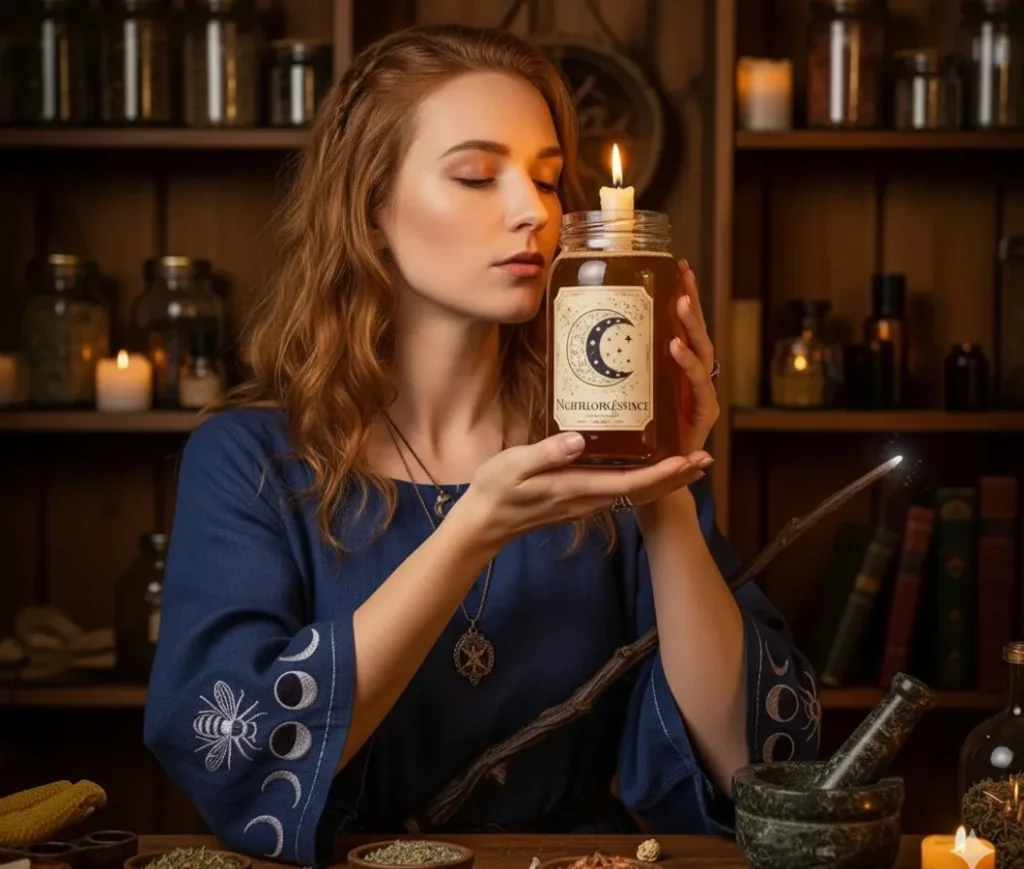
Dark Spells and Curses
The umbrella term dark spells refers broadly to any sorcery with harmful or self-serving purpose. This includes curses, hexes, and other malevolent enchantments. Spells for protection or healing typically aren’t called dark. Instead, “dark spells” often imply the caster is working outside ethical norms.
Anthropological studies note that in many cultures, curses were seen as the anger of gods or evil spirits. These dark spells were real social forces – people believed they could cause real illness or catastrophe. In fact, spells and curses have been used to punish wrongdoing, influence behavior, or control others. (For example, a village might cast a curse on a thief or traitor.) Today, “dark spell” still carries that weight of misfortune and danger.
Practically, if a spell involves controlling someone’s life – their luck, love, or fate – it is considered dark. The key is always intent. Even spells labeled “dark” are often meant to protect the practitioner or right a wrong (as seen in some folk traditions). But in common usage, dark spells usually mean curses, binding spells, and other rituals intended to harm or manipulate.
Black Magic and Spells
The terms black magic and dark magic are largely interchangeable. Wikipedia defines black magic as “the use of magic or supernatural powers for evil and selfish purposes”. Historically, Western culture has painted black magic as “witchcraft’s bad rap” – centuries ago, Christian authorities labeled any pagan or folk magic as black magic. In that view, witches were thought to summon demons or use incantations to curse neighbors
Modern practitioners often reject the color labels. As one author notes, “it’s not the ‘label’ you put on the spell that makes it right or wrong, but the intention with which you cast it”. In other words, black or white is a spectrum of intent. Some Wiccans, for example, argue that any spell – even one meant to protect – can become dark if done with hatred. Conversely, they note that curses can sometimes be a form of self-defense.
Nonetheless, black magic spells are widely depicted as manipulative or malign. Popular references to voodoo curses, Satanic rituals, or curses-for-hire fall under this category. The idea of black witchcraft spells also stems from this: that there are “black witches” who knowingly use malevolent magic. In reality, most practicing witches today emphasize that only intention, not the word “black”, defines a spell’s moral weight.
Dark Magick Spells
Some practitioners spell magic with a “k” – magick – to distinguish occult practice from stage magic. When we talk about dark magick spells, we simply mean the same as dark magic, just using that spelling. The “k” was popularized by occultist Aleister Crowley and other esoteric authors. It emphasizes that this is a serious mystical art.
So, dark magick spells follow all the same principles and warnings as dark magic spells. They might be found in books of magick or grimoires. The content – be it curses, love charms, or protective banishings – is the same. The important part is always intent and respect for the forces involved. In a magickal context, many recommend invoking protective deities or neutralizing unwanted effects after a dark ritual, to balance the energies.
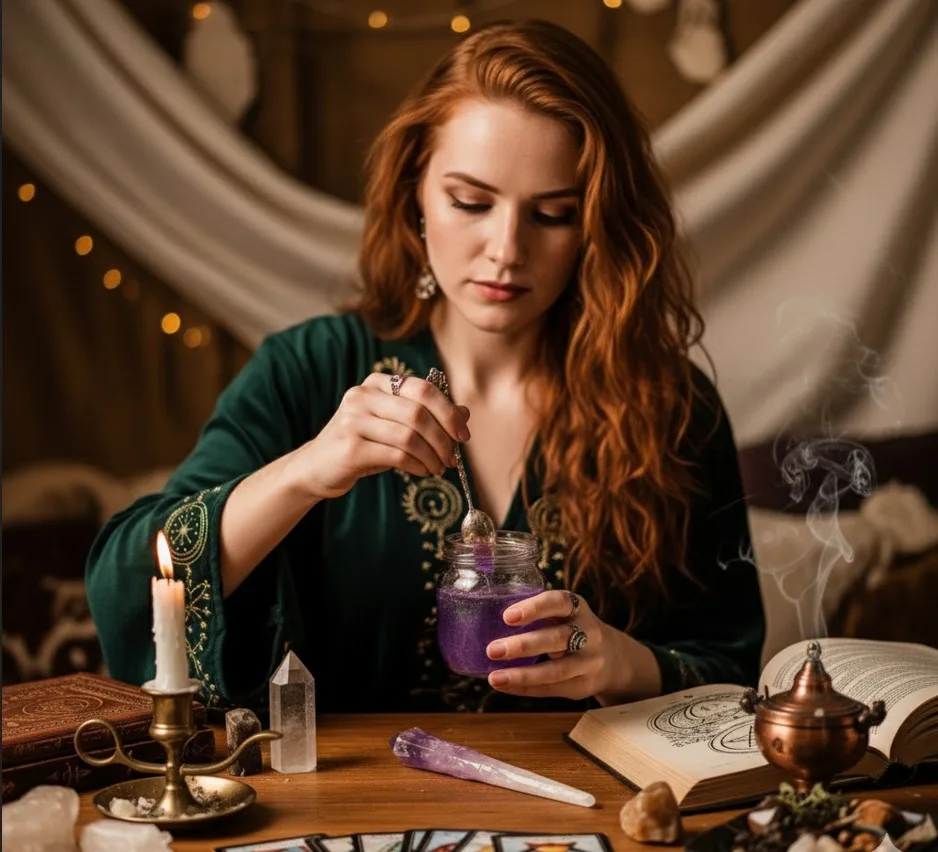
Spells for Dark Magic
If you’re curious about “spells for dark magic,” these generally fall into a few categories. Remember, this is for educational context only, not instructions. Common examples include:
- Punishment Curses: Spells intended to inflict discomfort or misfortune on a specific person or entity. (E.g., a curse for justice or revenge.)
- Binding Spells: Rituals to bind someone’s actions or abilities. For example, an exorcism can bind a supernatural entity, while a dark variant might aim to bind a living person (often considered ethically murky).
- Control and Influence: Spells that attempt to direct someone’s thoughts or feelings (like forcing love, or fear). These are classic “evil magic spells” and are highly controversial.
- Baneful Rituals: Using harmful substances or torture as part of a spell (ancient grimoires sometimes call for such acts). Modern ethics strongly warn against these.
- Counter-Magic (Reverse Curses): Sometimes included under dark arts, this is using magic to undo or redirect someone else’s curse. It blurs ethical lines because it still involves manipulating others’ fates.
In all cases, spells for dark magic often involve calling upon extra forces: spirits, deities, or elemental powers that are believed to be more volatile. For example, a Black Mass (a notorious dark ritual) might invoke a demon. But again, approach such ideas with heavy skepticism and care.
Key Takeaway: Dark spells and rituals are rooted in intent. If the goal is to harm or selfishly dominate, it’s dark magic. Protecting yourself or seeking positive change can be done without truly dark means. Always be extremely cautious and conscientious in practice.
Cautions and Ethics
Despite the mystique, dark magic spells carry serious considerations. Many practitioners emphasize that magical work should never override free will or harm innocents. According to Wiccan principles, if a spell “overrides another’s free will, no matter how slightly, then it’s best left alone”. Likewise, intent is everything: a “black” spell cast for protection might not be morally black if done without malice, whereas a slight curse born of malice is heavy.
Additionally, psychological and cultural factors can’t be ignored. Belief in curses and dark magic can create real fear and stress – studies show that expecting bad things (nocebo effect) can produce real symptoms. Historically, accusations of witchcraft (often tied to supposed dark magic) led to tragic outcomes.
Friendly reminder: This guide is for informational purposes. Engaging seriously with dark magic practices is not trivial. Always educate yourself thoroughly, consider the consequences, and respect any tradition’s ethical guidelines. For beginners, starting with basic visualization or candle spells and gradually learning is safer than jumping into complex rituals.
List of Dark Magic Spells
- Dark magic spells carry risks and are often associated with negative outcomes or harmful intentions.
- The names of these spells often reflect their grave nature and the severity of their implications.
- Practitioners should assess the ethical and moral dimensions of utilizing such spells.
- The use of dark magic spells is generally discouraged in most magical traditions due to potential karmic repercussions.
A Lexicon of Dark Enchantments
Herein lies a compendium of dark magic spells, each more foreboding than the last. These names echo the most secretive corners of the magical world and carry with them the weight and whisper of the unseen.
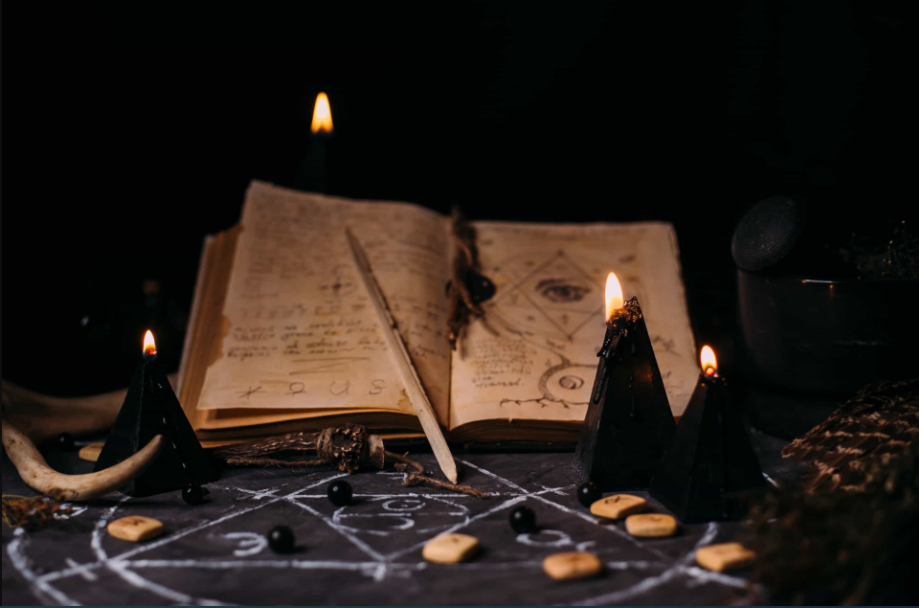
Curse of Agony
The “Curse of Agony” sounds like a compelling and ominous concept for your dark magic and spells book. While the details of such a curse would depend on the specifics of your magical system and the rules you’ve established, here’s a general idea to inspire you:
Curse of Agony:
Origin: The Curse of Agony is a forbidden and ancient spell with its origins lost in the annals of dark magic history. It is said to have been created by a malevolent sorcerer seeking to inflict unimaginable suffering on those who dared to cross him.
Incantation: The incantation for the Curse of Agony is a series of cryptic and ominous words, spoken in a hushed and eerie tone. The pronunciation is crucial, and even a slight mistake can result in disastrous consequences for the caster.
Effects: Once the curse is cast upon a target, it induces a relentless and excruciating agony that transcends the physical and penetrates deep into the victim’s psyche. The pain is all-encompassing, affecting every aspect of the individual’s existence.
Read More: Am I Cursed?
Binding of Betrayal
The “Binding of Betrayal” is a mysterious and potent enchantment, a dark spell with profound consequences. Here’s an outline for this concept:
Binding of Betrayal:
Origins: The Binding of Betrayal is an ancient curse rooted in the betrayal of trust and loyalty. Legend has it that it was first created by a betrayed lover seeking revenge on an unfaithful partner. Over time, the curse has evolved into a complex and dangerous magical practice, with its secrets guarded by secretive cults and forbidden texts.
Casting the Spell: To cast the Binding of Betrayal, the caster needs an object of significant sentimental value shared between the betrayer and the betrayed. This could be a keepsake, a piece of jewelry, or an item of shared importance. The caster then performs a ritual, invoking the spirits of betrayal and vengeance to weave the curse into the essence of the object.
Effects: Once the spell is cast, the object becomes a conduit for the magical energies of betrayal. When the betrayer is near the enchanted object, they begin to experience the physical and emotional pain of their betrayal. This may include feelings of guilt, anxiety, and even physical ailments as the curse takes hold.
Hex of Havoc
The “Hex of Havoc” is a malevolent enchantment that wreaks havoc upon those who incur its wrath. Here’s an outline for this dark magical concept:
Hex of Havoc:
Origins: The Hex of Havoc is believed to be an ancient curse born from the vengeful desires of those wronged and seeking retribution. Its origins are shrouded in mystery, with some lore suggesting it was first devised by a powerful sorcerer who harnessed the chaotic energies of the cosmos.
Casting the Hex: To cast the Hex of Havoc, the caster typically requires a focus, such as a personal item belonging to the target or a symbolic representation of their identity. The ritual involves invoking the forces of chaos and unleashing them upon the intended victim.
Unpredictable Effects: The defining characteristic of the Hex of Havoc is its unpredictable nature. Instead of following a specific pattern, the curse manifests in various chaotic and destructive ways, making it difficult for the victim to anticipate or counteract the effects. The chaos may range from seemingly harmless disturbances to catastrophic events, all designed to sow disorder in the target’s life.
Ripple Effect: The Hex of Havoc doesn’t just affect the target directly; it creates a ripple effect that disrupts the world around them. Friends may turn against them, luck may turn sour, and the very fabric of their reality may warp in unpredictable ways.
Grasp of the Grave
“The Grasp of the Grave” sounds like a compelling and ominous concept for a dark magic spell. Here’s an outline to help you flesh out this idea:
Grasp of the Grave:
Origins: The Grasp of the Grave is an ancient necromantic spell, whispered to have originated from a time when dark sorcerers sought dominion over life and death. Legends suggest that a forbidden cult developed this spell to harness the power of the grave for their own sinister purposes.
Casting the Spell: To invoke the Grasp of the Grave, the caster requires a connection to a burial ground or a site with a potent connection to the deceased. The ritual involves invoking the spirits of the departed and forging a mystical link between the world of the living and the realm beyond.
Effects: Upon the completion of the spell, skeletal hands emerge from the ground, grasping at the target. These spectral hands are imbued with the essence of the deceased, and their touch brings an overwhelming sense of dread and cold. The hands can either immobilize the target or, in more advanced versions of the spell, extract memories or life force.
Lamentation of Lies
“The Lamentation of Lies” evokes a mysterious and sorrowful tone, suggesting a magical concept deeply rooted in deception and its consequences. Here’s an outline for this intriguing idea:
Lamentation of Lies:
Origins: The Lamentation of Lies is a mystical incantation with origins lost to the shadows of ancient arcane practices. It is said to have been created during a time when deceit and falsehoods plagued a kingdom, and a vengeful sorcerer sought a way to expose and punish those who betrayed the truth.
Casting the Spell: To invoke the Lamentation of Lies, the caster typically requires a symbol of falsehood—an object or representation of the deceitful act. The ritual involves reciting an incantation infused with the sorrow and despair born from lies. The spell is cast during a moment of intense emotion, such as when the deceiver believes they have successfully hidden the truth.
Effects: Upon the completion of the spell, a haunting lament fills the air. The lament is audible only to those involved in the deception or betrayal. Its mournful melody intensifies with the severity of the lies and deceit, creating an oppressive atmosphere that weighs on the conscience of the guilty.
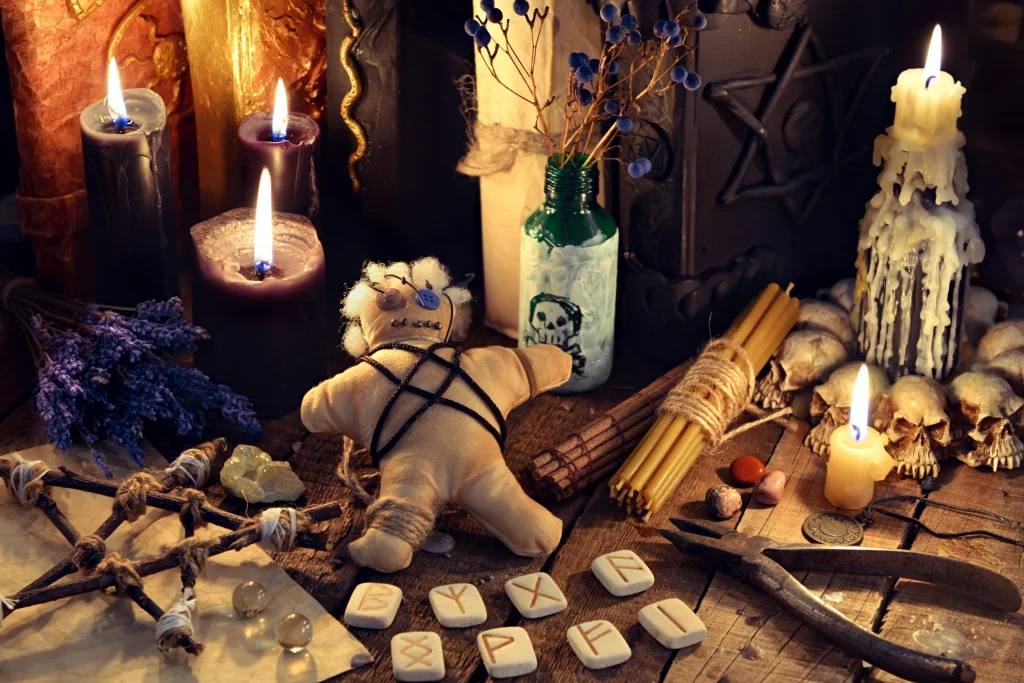
Shroud of Sorrow
“The Shroud of Sorrow” suggests a spell or magical artifact associated with grief and melancholy. Here’s an outline for this concept:
Shroud of Sorrow:
Origin: The Shroud of Sorrow is an ancient magical artifact or a spell crafted during a time of great loss or tragedy. It is said to draw its power from the collective grief of those who have experienced profound sorrow. The specifics of its creation may be shrouded in mystery, known only to a select few or hidden within ancient texts.
Appearance: The Shroud manifests as a tangible, ethereal fabric that envelops the affected area or person. It is characterized by a deep, somber hue, and its touch is chilling, invoking a sense of melancholy in those who come into contact with it.
Casting the Spell: To cast the Shroud of Sorrow, a sorcerer may perform a ritual involving symbols of mourning, such as funeral flowers, tears, or relics of the departed. The incantation spoken during the ritual taps into the reservoir of sorrow, weaving the shroud from the threads of collective grief.
Effects: Once cast, the Shroud of Sorrow brings about an atmosphere of intense sadness and introspection. It can affect individuals emotionally, amplifying their feelings of grief or sorrow. In a broader context, it may extend its influence to an entire community or region, casting a metaphorical cloud of despair.
Withering Whisper
Conjures a slow decay of one’s fortunes and wellbeing through insidious whispers.
Malice of the Mind-Breaker
“The Malice of the Mind-Breaker” sounds like a dark and sinister magical concept. Here’s an outline for this intriguing idea:
Malice of the Mind-Breaker:
Origin: The Malice of the Mind-Breaker is a forbidden and malevolent spell or curse, rumored to have been created by a sinister sorcerer seeking ultimate control over the minds of others. The origins of this dark magic are shrouded in secrecy, with whispers of a mad enchanter who delved into forbidden realms to unlock the power to shatter the sanity of their enemies.
Casting the Curse: To cast the Malice of the Mind-Breaker, the caster requires an intimate knowledge of the target’s fears, traumas, and vulnerabilities. The ritual involves weaving a complex incantation that delves into the darkest recesses of the victim’s mind, exploiting their deepest insecurities and emotional wounds.
Effects: Once the curse takes hold, it inflicts profound mental anguish upon the victim. The Mind-Breaker delves into the psyche, conjuring hallucinations, nightmares, and vivid illusions that exploit the target’s deepest fears and insecurities. The victim may experience a gradual erosion of their sanity as the curse intensifies.
Shadow of Silence
Shadow of Silence:
Ancient Curse or Cosmic Phenomenon: The Shadow of Silence is both an ancient curse and a cosmic phenomenon. It is said to have originated as a curse cast by a desperate sorcerer seeking refuge from the cacophony of the world. Over time, the curse gained a life of its own, becoming an innate force that manifests in specific conditions.
Manifestation Conditions: The Shadow of Silence manifests in places of great stillness and isolation. It is drawn to areas where noise is absent or minimal, seeking the purity of silence. It often materializes in forgotten corners of the world, abandoned ruins, or hidden sanctuaries untouched by the hustle and bustle of everyday life.
Effects on Sound: In the presence of the Shadow of Silence, sounds are not merely muted but absorbed into the shadow itself. It craves and consumes the vibrations of sound, leaving behind an unnatural and oppressive quiet that extends to even the most subtle noises. This effect is disconcerting, unsettling those within its grasp.
Veil of Venom
“The Veil of Venom” suggests a magical concept imbued with danger and toxicity. Here’s an outline for this intriguing idea:
Veil of Venom:
Mystical Poison Creation: The Veil of Venom is a magical creation that involves weaving a mystical fabric or substance with potent venomous properties. This toxic veil is often crafted through a complex alchemical process that combines rare, venomous ingredients from magical creatures with enchanted threads or materials.
Sinister Appearance: The Veil of Venom is visually distinctive, taking on an otherworldly appearance. It might have a shifting iridescence or a subtle, ominous glow, signaling its inherent danger. The veil is lightweight and flexible, allowing it to be draped over objects or individuals.
Effects on Perception: Those who come into contact with or are covered by the Veil of Venom may experience distorted perceptions. It induces hallucinations that play on their fears and insecurities, making it difficult for individuals to trust their senses. The toxic magic not only affects sight but also hearing and touch, creating an all-encompassing illusion.
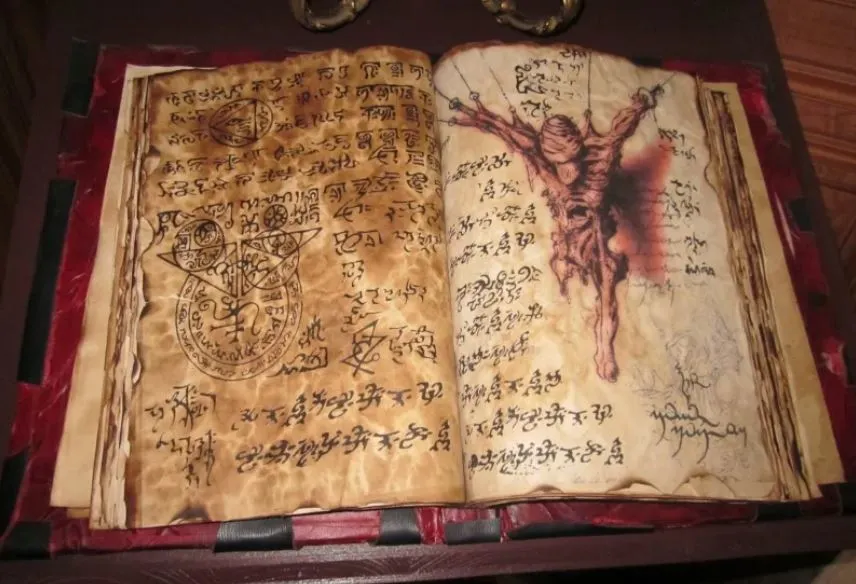
Embrace of Endings
“The Embrace of Endings” suggests a mystical concept intertwined with closure, finality, and perhaps a touch of inevitability. Here’s an outline for this intriguing idea:
Embrace of Endings:
Ancient Rite: The Embrace of Endings is an ancient and rare magical rite, often considered a last resort or a solemn ceremony conducted by practitioners of deep, esoteric magic. It is whispered to have been created by a long-forgotten sect of mystics who sought to understand and harness the cosmic forces associated with closure and culmination.
Casting the Rite: The rite involves intricate rituals and symbolic gestures. It may require the presence of specific celestial alignments, rare and potent components representing the cycle of life, and the invocation of ethereal entities tied to the concept of endings. The caster must have a profound understanding of the subject or situation reaching its conclusion.
Effects on Time and Space: Upon the completion of the Embrace of Endings, a mystical aura envelopes the area. Time seems to slow, and the air is imbued with a palpable sense of finality. The boundaries between past, present, and future become fluid, allowing those participating in the rite to witness significant moments and reflections associated with the culmination they seek.
Shackles of the Spirit
“The Shackles of the Spirit” suggests a magical concept intertwined with confinement, the supernatural, and perhaps the binding of one’s essence. Here’s an outline for this intriguing idea:
Shackles of the Spirit:
Origin: The Shackles of the Spirit are mystical restraints forged in the depths of the spirit realm. Created by ancient sorcerers seeking a means to control and imprison incorporeal entities, these shackles are said to draw their power from the echoes of the ethereal plane.
Materialization Ritual: To manifest the Shackles of the Spirit, a sorcerer must perform a ritual that bridges the gap between the physical and spirit realms. This ritual involves the use of rare, enchanted materials that resonate with spiritual energies, as well as specific incantations to invoke the presence of the shackles in the physical world.
Incorporeal Capture: The primary purpose of the Shackles of the Spirit is to bind and imprison entities from the spirit realm. Once summoned, the shackles seek out ethereal beings, whether benevolent or malevolent, and ensnare them. The shackles materialize in a spectral form, wrapping around the incorporeal essence of the target.
Mirage of Torment
“The Mirage of Torment” suggests a magical concept steeped in illusions and psychological distress. Here’s an outline for this intriguing idea:
Mirage of Torment:
Origins: The Mirage of Torment is a forbidden enchantment with roots in ancient rites practiced by secretive cults and dark sorcerers. Its creation is shrouded in mystery, and the knowledge of its existence is often hidden within arcane tomes, passed down through generations.
Casting the Enchantment: To cast the Mirage of Torment, a sorcerer must tap into the energies of suffering and despair. The ritual involves using rare components associated with pain, such as the tears of a grieving soul, the essence of a cursed being, or fragments of shattered emotions. The caster weaves these elements into a complex incantation, creating an illusionary veil that overlays the perception of the target.
Illusions of Torment: Once the enchantment takes hold, the Mirage of Torment projects vivid and distressing illusions directly into the mind of the victim. These illusions are tailored to exploit the deepest fears, regrets, and emotional wounds of the target. The torment is so convincing that the victim experiences genuine emotional and physical distress, even though no harm is physically occurring.
Bane of Barrenness
“The Bane of Barrenness” suggests a mystical concept tied to infertility, desolation, and perhaps a curse that inhibits growth and life. Here’s an outline for this intriguing idea:
Bane of Barrenness:
Origins: The Bane of Barrenness is a potent magical affliction with its origins in ancient curses and forbidden rituals. It may have been crafted by vengeful sorcerers seeking to punish communities or individuals, or it could be a natural occurrence tied to the land’s spiritual energies.
Casting the Bane: To cast the Bane of Barrenness, a sorcerer taps into the primal forces of fertility and life, twisting them into a dark and malevolent energy. The ritual often involves the use of symbolic items like withered plants, cursed soil, or the blood of an unwilling sacrifice. The sorcerer then utters an incantation to invoke the bane upon the targeted area or individual.
Effects on Fertility: The Bane of Barrenness causes a dramatic decline in fertility, affecting both the land and its inhabitants. Crops wither, livestock struggle to reproduce, and even the most fertile individuals experience difficulties conceiving. The curse creates a pervasive sense of desolation and hopelessness.
Chains of Chaos
“The Chains of Chaos” suggests a magical concept deeply entwined with disorder, disruption, and the unpredictable forces of chaos. Here’s an outline for this intriguing idea:
Chains of Chaos:
Primordial Chaos:
The Chains of Chaos are magical constructs that tap into the primordial essence of chaos itself. Crafted during a time when chaos reigned unchecked, these chains were created as a means to harness and control the chaotic energies that threatened to unravel the fabric of reality.
Materialization Ritual:
Creating the Chains of Chaos requires a perilous ritual that involves capturing and binding chaotic entities or energies. The sorcerer must navigate through realms where order and logic break down, facing the capricious whims of chaotic beings. Once captured, the chaotic essence is forged into chains using a blend of enchanted metals, eldritch symbols, and the essence of unpredictability.
Unpredictable Form:
The Chains of Chaos defy conventional perception. They constantly shift in form, appearing as ever-changing patterns of interwoven energy, ethereal tendrils, or even tangible chains that seem to be made of liquid chaos. Their appearance reflects the inherent instability of the chaotic forces they contain.
Effects on Reality:
When unleashed, the Chains of Chaos have profound effects on the surrounding reality. They introduce unpredictability, distorting the laws of nature, probability, and magic. Time might flow erratically, gravity may become inconsistent, and the very essence of reality becomes malleable, defying any attempt at prediction or control.
Ethical Warning and Responsibility
Amidst the power that darkness offers, remember that these spells come with a heavy price and it only used by dark witches. It is essential to contemplate the moral and ethical aspects of such magic before proceeding. Many practitioners believe in the threefold law, where the energies one sends out into the universe will return to them magnified.
Use this list not as a guide to practice, but as a lesson in understanding the boundaries of magic and the deep responsibilities that come with wielding it. Should you choose to delve into such arcane practices, do so with an awareness of the potential for harm, not only to others but to oneself, and consider the legacy that such actions may leave upon the world.
The allure of dark magic can be tempting, but the light offers paths just as potent and far less perilous. Those who walk in the shadows must do so with eyes wide open, for the abyss gazes back into the soul.



I am not sure where you’re getting your information, but great topic.
I needs to spend some time learning more or understanding more about Dark Magic Spells.
Thanks for magnificent info I was looking for this information for my mission.
Neat blog! Is your theme custom made or did you download it
from somewhere? A theme like yours with a few simple tweeks would really make my blog stand out.
Please let me know where you got your theme.
Cheers
Heya i’m for the first time here. I came across this board
and I find It truly useful & it helped me out much. I hope to give something back and help others
like you aided me.