Legends of Forbidden Demon Spells conjure a dark, mysterious world of occult rituals beyond the ken of ordinary folk. These incantations – said to summon or bind malevolent spirits – appear in old grimoires and folklore as secret practices of witches and sorcerers. For example, the 15th-century Munich Manual of Demonic Magic is a goetic grimoire that gives instructions for invoking demons like Satan, Lilith, Astaroth, Valac and Samael to gain love, invisibility, wealth or knowledge, such forbidden magic spells (sometimes called goetia) were taboo: Heinrich Cornelius Agrippa wrote that goetia involved “rites of wicked curiosities, unlawful charms, and deprecations” and is “abandoned and execrated by all laws”. In short, believers see forbidden demon spells as real and potent – but authorities have always warned that they cross an unholy line.
Origins and Lore of Forbidden Demon Spells
Throughout history, occultists and mystics have preserved forbidden demon spells in secret texts and oral traditions. Medieval Europe produced many grimoires (magic textbooks) devoted to demons. For instance, the Munich Manual (15th century) itself is literally titled Liber incantationum, exorcismorum et fascinationum variarum and is largely concerned with demonology and necromancy. In the Renaissance, Johann Weyer compiled the Pseudomonarchia Daemonum (1560), a “False Hierarchy of Demons” listing 69 demon names and how to summon them. Likewise, Arabian and medieval occult traditions added their own layers – the Picatrix (11th century) is an infamously gruesome grimoire of “astrology and occult magic” containing arcane recipes and spells for every desire.
In each age, scholars and the Church often condemned these works as heretical. Even in modern times, an academic translation of the Munich Manual was aptly titled Forbidden Rites, underscoring how this “necromancer’s manual” remains a study of taboo arts.
Forbidden Magic Spells and Rituals
Occult lore identifies several types of forbidden magic spells, all involving contact with dark forces. These include demon-summoning rites, necromancy (raising or speaking with the dead), curses and hexes, and forbidden pacts. Historical texts emphasize that these spells require complex rituals (circles, sigils, offerings) and carry grave risk. For example:
Summoning and Binding:
The Bond of Solomon is a famous ritual (from the Munich Manual) that lets a magician bind a demon to their will – for protection, riches or information. Medieval magicians used magical circles and triangles to evocate the demons; the Ars Goetia (part of the 17th-century Lesser Keys of Solomon) even illustrates a circle and triangle “used in the evocation of the seventy-two spirits of the Ars Goetia”.
Love and Desire Charms:
Some forbidden magic spells promise love, beauty or wealth through demonic aid. The Munich Manual explicitly describes spells to win a woman’s love or gain treasure via a summoned demon. Such rituals are considered very dangerous, as they entangle mortal desires with unclean powers.
Curses and Destruction:
Dark hexes fall under forbidden magic. Traditional witch lore includes maledictions that, if real, would harm enemies. These curses often invoke demon names or require profane sacrifices. (Though not recorded in reliable history, grimoires like the Picatrix imply hostile spells: one Picatrix recipe even uses animal blood and brains in a potion to make someone “hate you”.)
Necromancy and Divination:
Contacting the dead or glimpsing the future can also be “forbidden.” Necromantic spells (sometimes calling demons to relay secrets of the underworld) appear in grimoires and church condemnations. These rites were grouped with goetia as illicit arts of demonology.
Pacts and Oaths:
Many forbidden rituals involve swearing bonds with devils. Folk stories and occult texts warn of making pacts (selling one’s soul). While details are sparse in scholarly sources, this theme pervades occult literature and hints at the ultimate price of demon magic.
These categories show the forbidden demon spells list is really a catalog of ritual types rather than simple formulae. Each type requires elaborate preparation (special circles, incantations, rare ingredients) and is typically labeled forbidden by religious or magical authorities.

Forbidden Demon Spells List
Below are examples of forbidden demon spells or rites drawn from classic occult sources (given by name or description, not as instructions):
- Bond of Solomon: A binding ritual found in medieval grimoires that commands a demon to do the magician’s bidding (guarding treasures, revealing secrets, etc.).
- Abramelin Operation: A Kabbalistic ritual from the 14th–15th century Book of Abramelin the Mage. It claims to let the magician acquire a guardian angel’s help and blind demons, effectively neutralizing them.
- Invocation of Astaroth (or other named demon): Many grimoires (including the Munich Manual) give specific invocations. For instance, summoning Astaroth is said to reveal hidden knowledge and command spirits (the Manual lists Astaroth among demons that can grant favors).
- Goetic Circle: The well-known ritual circle and triangle from the Ars Goetia, used to safely evoke one of Solomon’s 72 demons. This “spell” is effectively the framework every goetic conjuration uses.
- Obscene Picatrix Potions: The Picatrix describes bizarre “magical recipes” involving blood, excrement or brains to achieve effects like discord between enemies. While not summoning a demon by name, such recipes invoke demonic forces of chaos.
- Any Book of Spells: More generally, any occult tome (e.g. the Munich Manual, Picatrix, or a Book of Shadows containing demonology) could be considered a forbidden demon spells list of its own – the very pages are treated as heretical if read by the wrong eyes.
Each entry above highlights how these spells were cataloged in esoteric literature, with the emphasis on ritual names or outcomes. (Actual incantations or instructions are never given here for obvious reasons.)
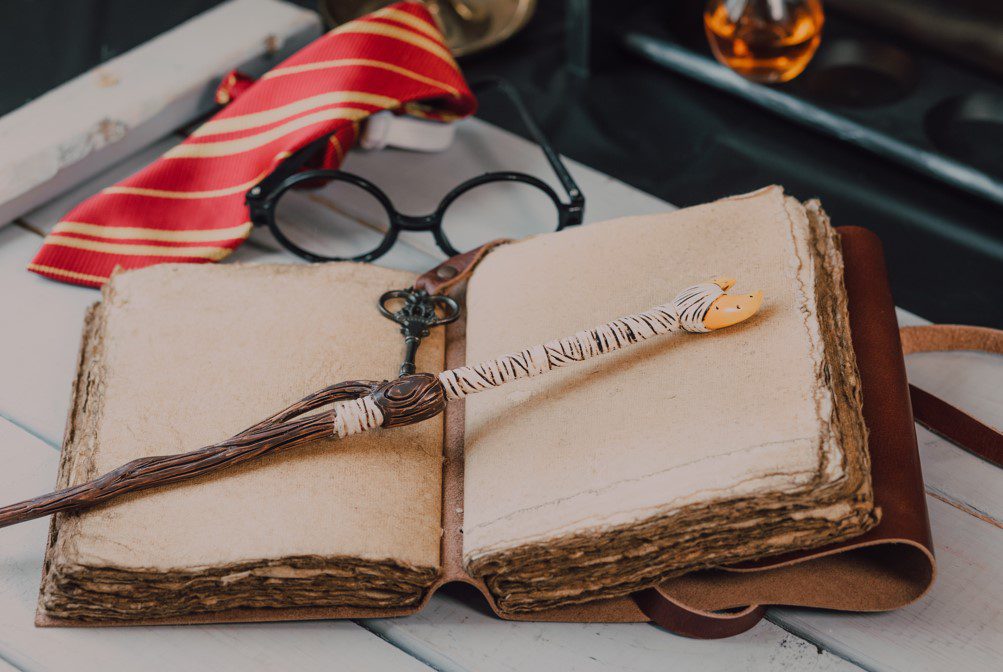
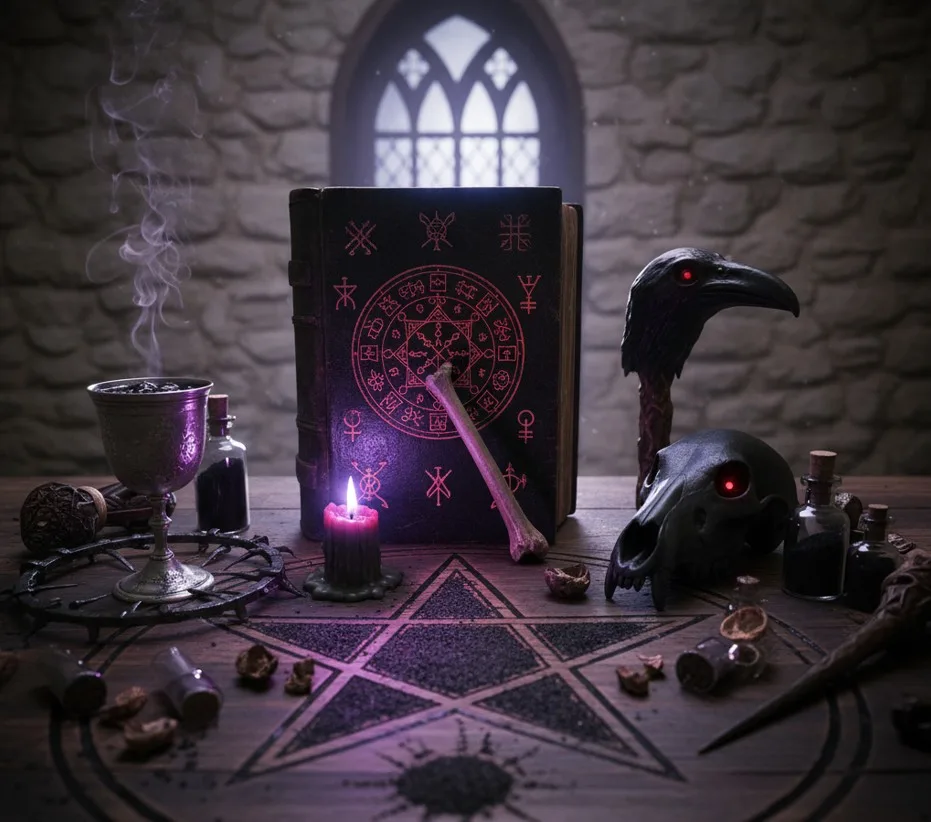
Figure: Ancient grimoires often serve as the ultimate “forbidden magic books,” filled with arcane symbols and demon seals.
Forbidden Magic Books
Grimoires of demonology are often treated as forbidden magic books. These are volumes whose very knowledge was proscribed by religious or royal decree. For example, the Munich Manual of Demonic Magic (Liber incantationum) remained hidden for centuries because it teaches invocation of Satan and other demons. In modern times, it was published under the evocative title Forbidden Rites: A Necromancer’s Manual of the Fifteenth Century, underlining how it preserves prohibited rituals. Other well-known forbidden books include the Book of Abramelin, whose title ritual gives power over demons (as mentioned above), and the Lesser Key of Solomon, which contains the Ars Goetia of demon summoning.
The medieval Picatrix is likewise notorious as a banned tome of dark astrology and magic. Even the Ars Notoria (part of the Keys of Solomon) is effectively a book of demonology, promising mystic knowledge through evocations. In short, any occult handbook that teaches demons and curses often falls under the label of a forbidden magic book. Historically, possession of these books could be dangerous: authorities viewed them as the source of forbidden magic spells that threaten the social order.
Modern Belief and Warnings
Even today, forbidden demon spells captivate occult practitioners and horror writers alike. Some modern witchcraft and Satanic groups still revere these rituals (often as metaphors or symbolic exercises). Yet mainstream scholarship treats them as folklore and moral caution. Importantly, there is no scientific evidence that any such spell works as described. Scholars like Richard Kieckhefer have studied these manuscripts as historical curiosities; his title Forbidden Rites itself implies they are relics of a bygone forbidden tradition. Traditional religious authorities – Christian, Jewish or otherwise – generally condemn demon spells outright (biblical law forbids witchcraft, for example). Occult mentors often stress that attempting these rites could be psychologically or spiritually perilous.
In folklore, the magician who uses a forbidden spell often “pays the price” (losing sanity, freedom or soul). While our focus here is on the lore itself, it’s clear why forbidden magic types remain forbidden: they play with forces that every culture warns should not be trifled with.
Types of Forbidden Demon Spells
Forbidden demon spells encompass a wide array of rituals and incantations that are believed to summon, control, or interact with malevolent supernatural entities. These spells are often associated with dark magic and are considered dangerous due to the potential risks they pose to practitioners. While the specifics of these spells can vary across cultures and traditions, here are some common types of forbidden demon spells:
- Summoning Spells: These spells are designed to call forth demons or other malevolent entities from other realms or dimensions. Practitioners often use specific rituals, symbols, and incantations to establish a connection and compel the entity to appear. The purpose of summoning can range from seeking knowledge and power to fulfilling personal desires.
- Binding Spells: Once a demon is summoned, binding spells are used to exert control over the entity and prevent it from causing harm or escaping. These spells typically involve intricate rituals and the use of sacred objects to constrain the demon’s power and force it to obey the conjurer’s commands.
- Pact Spells: Pact spells involve making a formal agreement or a pact with a demon. In exchange for granting the practitioner’s desires or fulfilling certain tasks, the conjurer often promises something in return, which could range from offering their own soul to performing future favors for the demon.
- Divination and Communication Spells: Some forbidden demon spells are intended to facilitate communication with demons for the purpose of gaining hidden knowledge or insights into the future. These spells may involve rituals that allow the practitioner to establish a temporary link with a demon to obtain information.
- Cursing and Hexing Spells: These spells harness the malevolent energy of demons to cause harm to others. Practitioners might seek the assistance of demons to place curses or hexes on enemies, causing them misfortune, illness, or other forms of harm.
- Transformation Spells: Transformation spells are believed to allow practitioners to assume the form or abilities of demons. These spells can be used to gain supernatural powers or to achieve specific goals by temporarily adopting the traits of a demon.
- Possession Spells: In these spells, practitioners seek to invite a demon or spirit to possess their own body temporarily. This is considered an extremely dangerous practice, as it involves surrendering control of oneself to an external entity.
- Necromancy and Undead Summoning: Some forbidden spells involve summoning demons to assist in raising the dead or controlling undead creatures. Necromantic practices often overlap with demonology in certain magical traditions.
- Destruction and Chaos Spells: These spells invoke demonic forces to cause destruction, chaos, or upheaval. They may be used in acts of revenge, to incite fear, or to achieve broader goals by sowing discord.
- Sacrificial and Blood Rituals: Certain forbidden demon spells require sacrificial offerings or the use of blood rituals to appease or attract demons. Blood is believed to hold potent magical energy and is often used as a symbolic link between the conjurer and the demon.
It’s important to note that the practice of forbidden demon spells is widely discouraged due to the inherent dangers involved.
Elements Employed in Forbidden Demon Spells
Forbidden demon spells, often associated with dark and malevolent magic, are said to require specific materials to enhance the potency of the ritual and strengthen the practitioner’s connection with the summoned entities.
here are some materials that have been associated with forbidden demon spells:
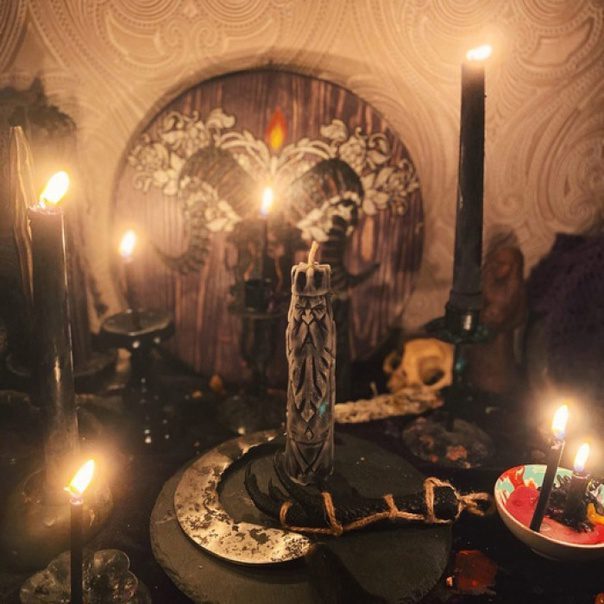
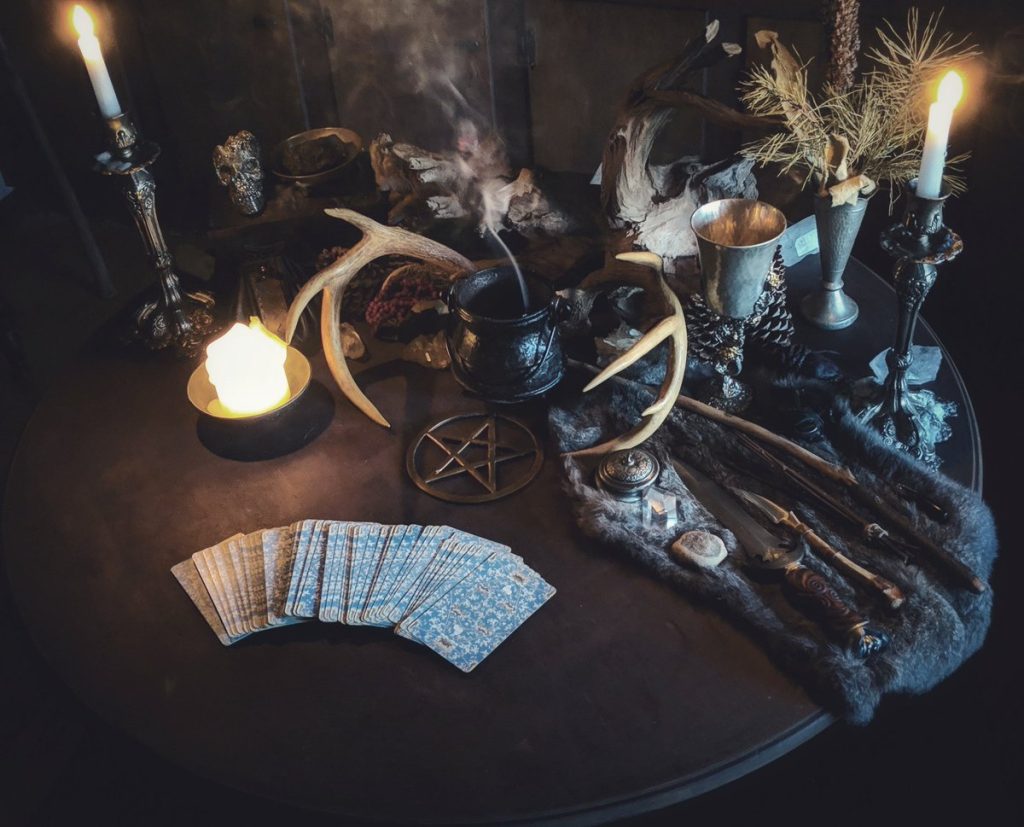
- Candles: Candles are commonly used in rituals to provide illumination, set the mood, and symbolize various energies or intentions. Different colors may be used to represent different aspects, such as red for power or black for protection.
- Incense: Incense is used to create a specific atmosphere and to purify the ritual space. Different types of incense may correspond to different spirits or energies.
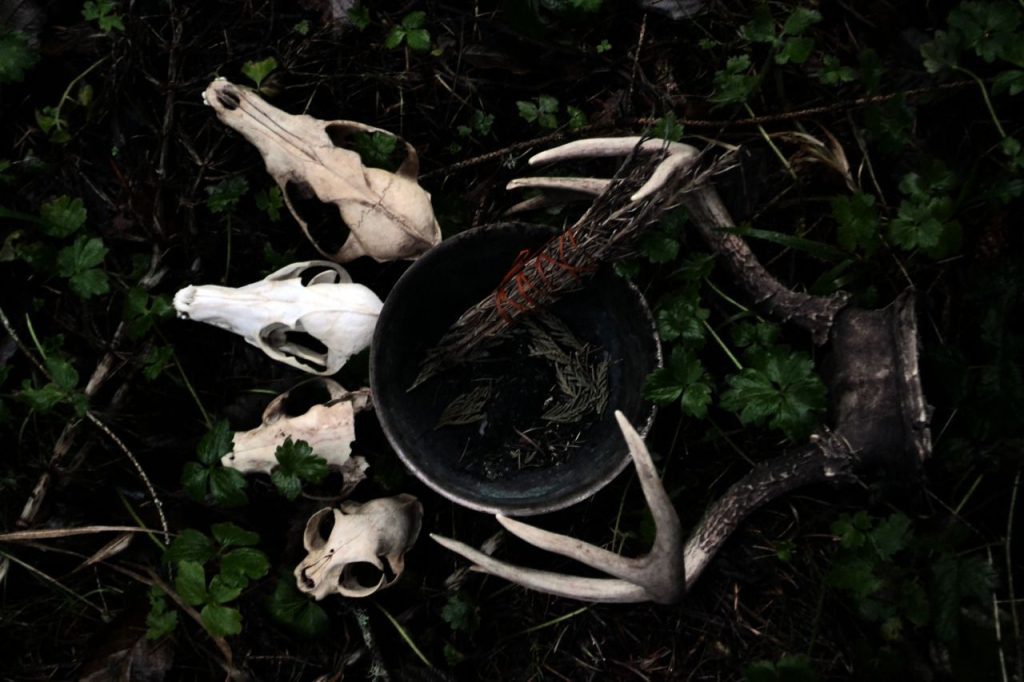
- Herbs and Roots: Certain herbs, roots, and plants are believed to have magical properties that can be harnessed in spells. Forbidden demon spells may incorporate herbs associated with banishing, summoning, or protection.
- Crystals and Gemstones: Witchcraft books frequently discuss the utilization of crystals and gemstones to amplify energy and intention. These books may offer insights into choosing crystals based on their metaphysical properties and their associations with specific entities or purposes.
- Personal Items: Personal belongings or items with a strong emotional connection to the practitioner can enhance the practitioner’s connection to the spell. These items may include hair, nails, clothing, or jewelry.
- Blood or Bodily Fluids: In some dark practices, blood or other bodily fluids may be used to establish a link between the practitioner and the summoned entity. This is considered extremely risky and dangerous.
- Offerings: Offerings such as food, drink, or other gifts may be presented to the summoned entity as a form of appeasement or to establish rapport.
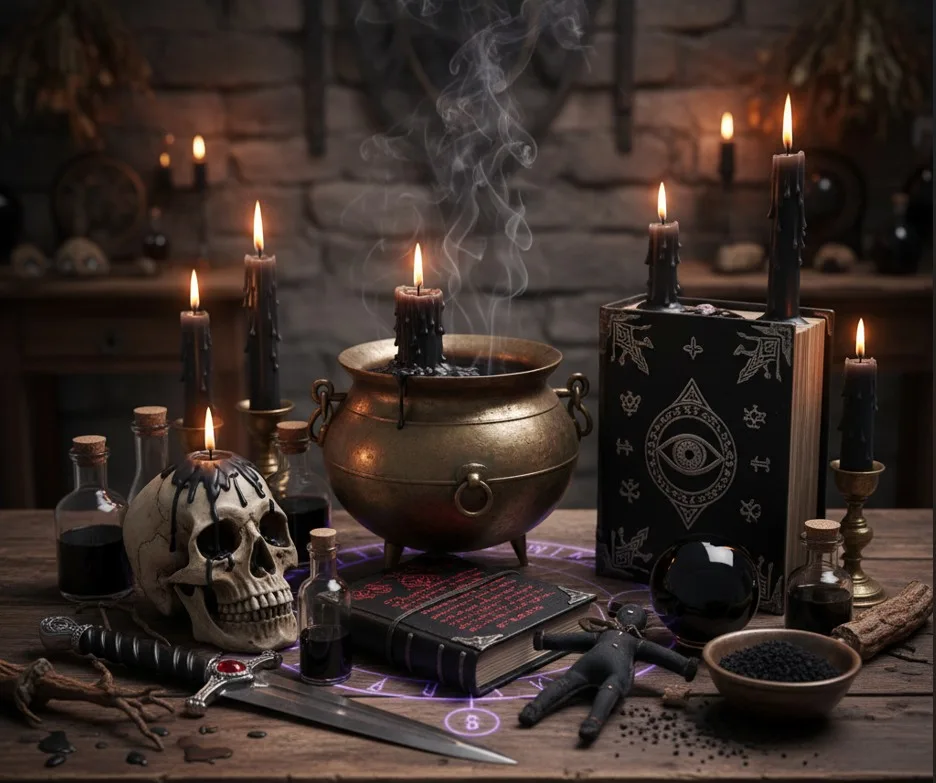
- Magical Tools: Ritual tools, such as athames (ceremonial daggers), wands, chalices, and pentacles, may be used to direct energy and perform specific actions during forbidden demon spells.
- Symbols and Sigils: Symbols, sigils, and glyphs associated with specific demons or entities may be inscribed or drawn to establish a connection or to bind and control the entity.
- Sacred Texts or Grimoires: Forbidden demon spells may involve the use of ancient texts, grimoires, or spellbooks containing instructions for summoning and interacting with demons.
- Bells, Chimes, or Bells: These instruments can be used to create vibrations and sound that influence the energetic atmosphere of the ritual space.
- Mirror or Scrying Tools: Mirrors or scrying tools may be used to gaze into other realms or dimensions and facilitate communication with entities.
Risks Associated with Using Forbidden Demon Spells
Using forbidden demon spells carries significant risks and potential dangers that should not be taken lightly. These risks extend beyond the realm of the supernatural and can have profound psychological, emotional, and even physical repercussions. Here are some of the key risks associated with using forbidden demon spells:
- Loss of Control: One of the most significant risks is the loss of control over the summoned entity. Demons are known for their cunning and ability to deceive. They may manipulate the practitioner and refuse to follow commands, leading to chaotic and unpredictable outcomes.
- Backlash and Retribution: Entities summoned through demon forbidden spells may retaliate or seek revenge if they feel mistreated or coerced. The practitioner could become the target of malevolent actions or curses from the very entities they attempted to control.
- Psychological and Emotional Impact: Engaging in dark magic and summoning malevolent entities can have severe psychological and emotional consequences. The practitioner may experience heightened fear, anxiety, guilt, paranoia, and even symptoms of psychosis.
- Spiritual and Energetic Imbalance: Interaction with demons can disrupt the practitioner’s spiritual and energetic balance. Negative energies or entities could attach themselves to the practitioner, leading to spiritual and emotional turmoil.
- Physical Harm: In extreme cases, practitioners have reported physical harm resulting from their involvement with forbidden demon spells. This could manifest as unexplained injuries, illnesses, or accidents.
- Loss of Soul or Identity: Many demon summoning myths and stories warn of the risk of losing one’s soul or personal identity in exchange for power. The entity may demand a steep price that affects the practitioner’s essence or essence of being.
- Interference with Natural Order: Attempting to manipulate and control supernatural forces can disrupt the natural order and balance of the universe. This could lead to unintended consequences affecting the practitioner and the world at large.
- Negative Influence on Relationships: Practitioners of forbidden demon spells may experience strained relationships with loved ones, as their involvement in dark magic can lead to isolation, mistrust, and emotional distance.
- Invasion of Privacy: Demons summoned through forbidden demon spells may invade the practitioner’s thoughts, dreams, and personal space, leading to a feeling of constant surveillance or intrusion.
- Addiction to Power: The allure of power gained through demon spells can lead to addiction. Practitioners may become obsessed with achieving greater power and control, leading to a dangerous downward spiral.
- Erosion of Ethical and Moral Boundaries: Engaging in dark magic can erode one’s ethical and moral principles over time. The pursuit of power may overshadow concerns for the well-being of oneself and others.
- Curses and Hexes: Missteps or misunderstandings during summoning rituals could result in unintentionally placing curses or hexes on oneself or others, leading to ongoing misfortune and suffering. Wiccan symbols of clarity and caution can be used to reduce the likelihood of unintended harmful consequences.
- Influence on Future Generations: Some traditions suggest that engaging in forbidden demon spells can have repercussions that extend to future generations, affecting descendants in ways that are difficult to predict.
Given these substantial risks, it is strongly recommended that individuals avoid practicing forbidden demon spells altogether. The potential dangers far outweigh any perceived benefits, and the consequences of these practices can be both immediate and far-reaching. Instead, practitioners seeking personal growth and empowerment are encouraged to explore safer and more ethical paths within the realm of magic and the occult.
Common Precautions to Take When Using Demon Spells
Using forbidden demon spells is a perilous endeavor that comes with significant risks and potential consequences. Practitioners who dare to delve into such dark and malevolent magic must exercise extreme caution and take various precautions to mitigate the dangers they may face. Here are some common precautions to consider if one is contemplating the use of forbidden demon spells:
Extensive Research: Before attempting any forbidden demon spells, thorough research is crucial. Study the historical, cultural, and mythological contexts surrounding these spells to gain a deeper understanding of the entities and forces you may be dealing with.
Protection and Warding: Implement protective measures to shield yourself from potential harm. Use magical barriers, symbols, or talismans to create a protective circle or barrier during rituals to prevent unwanted entities from entering or escaping.
Expert Guidance: Seek guidance from experienced practitioners or experts in demonology and the occult. Learning from those who have knowledge and experience in these practices can help you navigate potential pitfalls and dangers.
Cleansing and Banishing: After completing forbidden demon spells, perform thorough cleansing and banishing rituals to rid yourself of any lingering negative energies or entities. This is crucial to ensure that you are not left vulnerable to unwanted influences.
Setting Boundaries: Clearly define the limits of your interactions with summoned entities. Establish strict boundaries and conditions to prevent demons from taking advantage of loopholes or attempting to gain control over you.
Non-Coercive Approach: Whenever possible, adopt an approach that respects the autonomy and free will of the summoned entities. Coercion and manipulation may lead to unpredictable and adverse outcomes.
Preparation and Focus: Conduct forbidden demon spells with utmost focus, intention, and mental clarity. Distractions or lack of concentration can lead to unintended consequences or loss of control over the summoned entities.
Choose Wisely: Be discerning about the specific demon or entity you choose to summon. Some are known to be more malevolent or deceitful than others. Research their characteristics and tendencies before attempting to summon them.
Solo Practice: Engaging in forbidden demon spells as a solo practitioner may reduce the risks of interpersonal conflicts and power struggles among multiple participants. Working alone allows for greater control over the ritual environment.
Recording and Documentation: Keep detailed records of your rituals, experiences, and outcomes. Document any changes in your mental, emotional, or physical well-being, as well as any signs of supernatural activity, to better understand the effects of your practices.
Regular Self-Assessment: Continuously assess your motivations, mental state, and emotional well-being. The use of forbidden demon spells can have a profound impact on your psyche, so it’s essential to maintain self-awareness and seek professional help if needed.
Ethical Considerations: Reflect on the ethical implications of your actions. Consider the potential harm that your actions may cause to yourself, others, and the balance of the natural and supernatural realms.
Exit Strategy: Plan an exit strategy in advance. Understand how to sever your connection with summoned entities or dissolve any pacts you may have made, should the need arise.
Alternative Spells that Are Safer to Use Than Forbidden Demon Spells
There are numerous alternative spells and magical practices that are safer and more ethically sound than engaging in forbidden demon spells. These alternatives allow practitioners to tap into their inner power, connect with positive energies, and achieve their goals without the inherent risks associated with summoning malevolent entities. Here are some examples of safer alternatives:
- Protection Spells: Protection spells create energetic shields to safeguard against negative energies, harmful entities, and malevolent intentions. These spells can help maintain a safe and secure environment for the practitioner.
- Healing Spells: Healing spells focus on promoting physical, emotional, and spiritual well-being. They can aid in recovery, boost energy levels, and enhance overall health.
- Love and Harmony Spells: These spells are designed to attract love, strengthen relationships, and promote harmony among individuals. They encourage positive interactions and connections with others.
- Prosperity and Abundance Spells: Prosperity spells aim to attract wealth, abundance, and success. They can enhance financial opportunities and open doors to prosperity.
- Divination and Insight Spells: Divination spells help seekers gain insight and guidance through methods such as tarot reading, scrying, or rune casting. They provide valuable information for decision-making.
- Elemental Magic: Working with the elements (earth, air, fire, water) allows practitioners to harness natural energies for various purposes, such as grounding, creativity, purification, and transformation.
- Cleansing and Purification Rituals: These rituals clear negative energies from spaces, objects, or individuals. They promote a sense of renewal and balance.
- Empowerment Spells: Empowerment spells enhance personal strength, confidence, and self-esteem. They help individuals tap into their inner potential and achieve their goals.
- Communication with Spirits: Instead of summoning malevolent entities with forbidden demon spells, practitioners can focus on communicating with benevolent spirits, ancestors, or spirit guides for guidance and support.
- Meditation and Visualization: Meditation and visualization techniques can be used to focus the mind, achieve relaxation, and manifest positive outcomes. They provide a foundation for various magical practices.
- Nature-Based Magic: Connecting with the natural world and its cycles can offer a safe and rewarding magical practice. Observing lunar phases, seasons, and natural elements can align practitioners with powerful energies.
- Sigil Magic: Sigils are symbols created to represent specific intentions or desires. Practitioners can charge and activate sigils to manifest their goals without the need of forbidden demon spells.
- Energy Manipulation and Chakra Work: These practices involve working with the body’s energy centers (chakras) to balance, cleanse, and heal the energetic system.
- Herbal Magic: Herbal spells involve using the properties of herbs for various magical purposes, such as protection, healing, and enhancing psychic abilities.
- Candle Magic: Candle spells use the energy of fire and color symbolism to manifest intentions, such as love, healing, or success.
It’s important to note that even with these safer alternatives, responsible and ethical practice is essential.
Conclusion: The Enduring Allure of the Forbidden
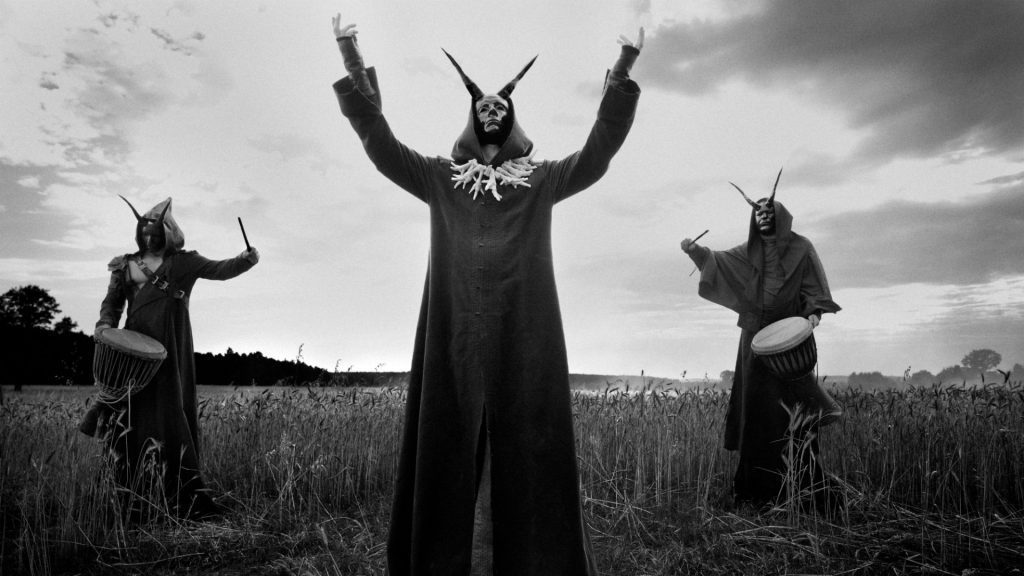
The study of Forbidden Demon Spells is a journey through history, folklore, and the darker aspects of human nature. This analysis shows that these spells are not a simple category of magic but a multifaceted subject encompassing historical condemnation, psychological danger, and a timeless narrative of temptation and consequence.
The evolution of the term “demon” from a neutral spirit to a malevolent entity parallels the shift in the understanding of magic itself—from a neutral force to a tool with inherent moral weight. The grimoires that contain forbidden magic spells are not just books but dangerous artifacts that promise power but threaten a descent into a guessing game with entities far older and more cunning than any human.
The most profound and enduring danger of Forbidden Demon Spells lies not just in the malevolent entities they summon, but in the practitioners themselves. In their quest for power, they willingly step onto a path of corruption, delusion, and inevitable self-destruction. The pact is an illusion, a mechanism of slow subjugation where the human is the vessel and the true price is their very essence. The enduring power of these narratives lies in their ability to serve as a perpetual warning, a reminder that the price of power, when drawn from the infernal, is always a bargain with one’s own soul.