Candle light meaning has been explored for millennia as a bridge between the mundane and the spiritual. In magical and esoteric traditions, a lit candle symbolizes more than mere illumination – the flame is often seen as a messenger or prayer from the human soul. As one witch notes, “it represents the soul while the flame symbolizes the prayer we address to God, the universe, or any other entity.” In this way, candle light means our intentions set aflame.
The burning wax (earth and water), the flame (fire), and the rising smoke (air) unite all four classic elements in one ritual act. Throughout history, people have literally “sent up” their prayers with candle smoke – for example, ancient Egyptians used candles in rituals, believing the smoke would carry their prayers to the heavens. In short, the meaning of lighted candle is a potent symbol of transformation, conveying hope and connection: as one modern observer writes, the flame “symbolises hope, guidance, and the timeless battle of light against darkness.”
Candle Light and Spells
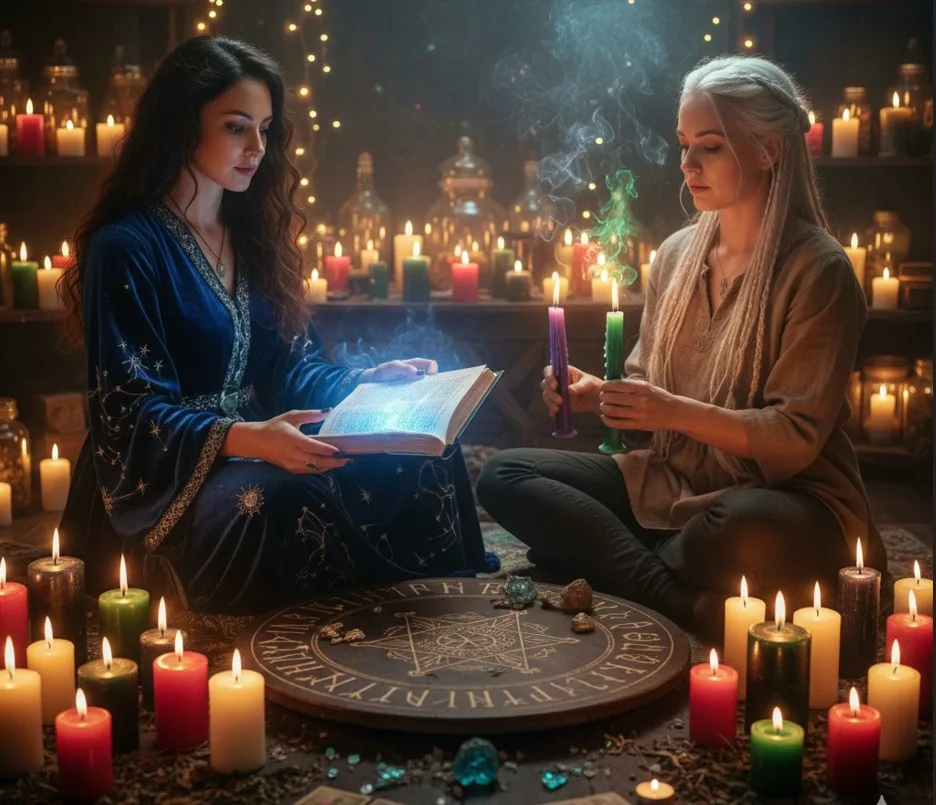
Even in everyday magic, a candle is treated as a tool of intention. Rather than being inherently magical, it is charged with the caster’s will: you anoint and dress it with oils or herbs, then ignite it to focus energy. As author Patti Wigington explains, “you’re charging the candle with your own energy and personal vibrations and projecting your intent into the wax before you burn it.” In other words, the candle becomes a vessel for your will. “The candle becomes the vessel for the intention,” notes witch Sarah Potter, highlighting that lighting a candle is essentially a way to focus one’s intent.
The Symbolism of Candle Light Meaning
Candle light meaning has fascinated mystics for ages because the flickering flame seems alive with significance. In many traditions, a steady flame is taken as a symbol of stability and alignment with one’s goals, while a flickering flame is often read as the presence of spirit guides or unseen energy. A wild, dancing flame can indicate strong, chaotic forces at play: witches say a leaping flame often means high energy and quick success, whereas an irregular, dancing flame suggests wild magic that may bring both success and challenges. The candle flame can even seem to “speak”: crackling sounds or pops are traditionally interpreted as messages from spirits. For example, a popping candle (crackling, sizzling) is usually taken to mean an ancestor or guide is trying to communicate.
A burning candle is also about unity of the elements. The flame is fire, the wax (and its melting) represents earth and water, and the smoke is air. This elemental union adds to its magical potency. In effect, candle light means transformation and service of the divine – taking the caster’s words or prayers (earth/wax) and turning them into light and smoke that reach the spirit realm. In this way, the meaning of lighted candle is both a channel of intention and a bridge to the sacred, embodying hope, power, and connection.
Soul and Prayer
A candle’s flame is frequently viewed as a physical embodiment of the soul or the very act of prayer. The flame “symbolizes the prayer we address to the universe,” making the lit candle a kind of living prayer.
Elemental Unity: A burning candle contains all four classical elements. The wax (earth and water) transforms into fire (flame) and air (smoke). This makes candlelight a microcosm of nature’s forces.
Focus of Intent: In magic, a candle is ultimately a tool. It channels the Fire element to set one’s intentions into motion. As Ralph’s Orchard notes, modern spellwork often involves carving and anointing the candle with symbols and oils before lighting it to manifest a specific desire. The act of lighting the candle crystallizes the practitioner’s will.
Guidance and Hope: Because candles dispel darkness, they naturally symbolize hope and clarity. Lighting a candle in a dark space is an act of faith that a goal will be achieved or that wisdom will come. As one contemporary writer observes, “candles continue to inspire us… the flame symbolizes hope, guidance, and the timeless battle of light against darkness.”
Reading Candle Light and Meaning as Omens
Candle magicians treat the flame like an oracle. They watch the candle burn and interpret its behavior to gain insight into the spell’s success or the energy around them. For example:
Flickering Flame:
A candle that flickers erratically (without obvious draft) is often read as a sign that spirits or guides are present. “A flickering candle flame means there is a spirit or guide nearby,” notes one practitioner. In other words, the candle is “responding” to a spiritual presence.
Leaping/Jumping Flame:
A flame that jumps or darts upward with vigor usually means a surge of energy. This is typically taken as good news: the magic or intention behind the candle is very active and may manifest quickly.
Dancing Flame:
An irregular dancing flame (flashing on the sides) suggests high intensity but also turbulence. It often means success is likely, but complications may arise. The taller and more erratic the flicker, the more energetic forces or obstacles are at play.
Popping/Crackling:
Sharp noises from a burning candle (pops, crackles, hisses) are almost universally seen as communication attempts. A crackling sound can indicate a spirit guide or ancestor trying to speak through the flame. Similarly, the color of the candle smoke can send messages: for instance, white or light-colored smoke is sometimes seen as a positive omen, whereas dark smoke can signal negative forces. Many witches say that crackles mean “someone is trying to talk to you” through the candle, adding another layer to candle light meaning as a form of spirit communication.
Self-Extinguishing:
If a candle suddenly goes out on its own (with no wind), opinions vary. Some see it as a bad omen, indicating the intention needs more power or the spell was opposed. Others interpret a candle going out as meaning the goal has already been set in motion or even fulfilled – it’s as if the candle says “no more is needed.” Either way, practitioners will note the event and often relight the candle with renewed focus.
Tall Strong Flame:
A high, steady flame (taller than expected) is usually very positive. It suggests that the candle’s purpose will succeed swiftly. As The Peculiar Brunette explains, “a tall strong candle flame means your challenges are crumbling, and quick, positive outcomes are inevitable.”
Weak or Low Flame:
A very small or sputtering flame often means obstacles or insufficient energy. A low flame represents barriers to your goal. If the flame wobbles or pulses weakly, it might mean the spell needs more power or better timing. In practical terms, a weak burn could also mean the wick is too short or needs trimming – but spiritually it’s a warning to strengthen your intent, and this too becomes part of candle light meaning in divination and ritual.
Smoke and Noise Signals:
In addition to flame behavior, practitioners listen for “smoke signals.” Some interpret black smoke as a sign of negative influences, while white smoke is sometimes called “good smoke.” Cracks and pops, as above, are taken as interactive signs. (For example, one folk witch says pops usually mean spirits are trying to communicate.) In all cases, candle readers trust their intuition: a surprising flame flicker or smoke curl is noted as a clue in the ongoing ritual.
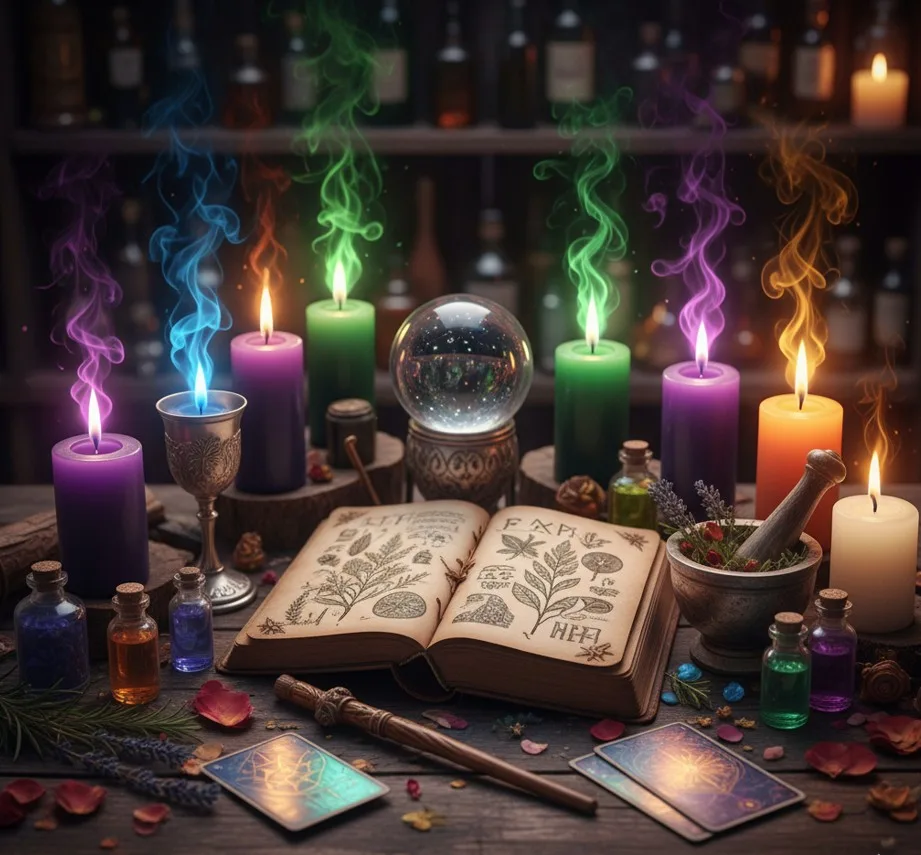
These flame interpretations are a form of pyromancy (candle divination). In a typical “candle reading,” a practitioner lights a candle with a clear question or intention in mind. As the candle burns, the caster observes exactly how it behaves. This is often done at the end of a spell or during meditation. Despite the ancient aura of these practices, modern guides remind us to “consider non-magical and scientific meanings before spiritual ones” (e.g. drafts or wick issues). But once obvious mundane factors are ruled out, the burning candle is read much like tea leaves or entrails: every sway, sound, or symbol in the flame can hold a message, forming part of candle light meaning in the context of divination.
Candle Color Meanings in Spellwork
Just as flame behavior speaks, the color of a candle is a key part of its message. In candle magic, color corresponds to intentions and energies. Practitioners choose colors that match their goal, since candle light means channeling specific forces. These associations form a major part of candle light meaning, helping practitioners align their intentions with symbolic energy. Common color associations include:
White
The “all-purpose” candle. White represents purity, new beginnings, cleansing, and spiritual truth. It’s often used for protection, healing, meditation, and any spell where you want neutrality or divine guidance. (White can substitute for any color if needed.)
Black
Used for banishing and protection. Black absorbs negative energy, ending curses or breaking bad habits. It symbolizes endings, release, and the solemn work of dispelling harm.
Red
Passion, courage, and vitality are red’s domain. Red candles burn with the heat of Mars – perfect for love, lust, strength, and motivation spells. They can boost confidence and willpower while igniting passion.
Pink
Soft love and compassion. Pink is tied to romance, friendship, self-love, and joy. It’s the gentle counterpart to red, useful for nurturing relationships, healing hurt feelings, and encouraging empathy or forgiveness.
Blue
Peace, healing, and communication. Blue (especially light or sky blue) soothes emotions and enhances intuition. Use blue when you seek calm, clarity, emotional healing, or improved understanding. (Dark royal blue often relates to wisdom and truth.)
Yellow
Confidence, creativity, and joy. Yellow is associated with the sun and intellect, great for success, focus, learning, and inspiration. Yellow candles brighten energy, often used to bring success or courage.
Green
Growth, abundance, and luck. The color of nature and money, green is used for prosperity, fertility, and physical health spells. Many do Earth magic or money magic with green candles.
Orange
Attraction, drive, and adaptability. Orange blends the mental energy of yellow with the passion of red. It’s used for creative endeavors, social or legal success, and breaking stuck situations. Think of it as action and joy (a happy medium between red and yellow).
Purple
Psychic power and spirituality. Purple (and violet) opens the third eye and crown chakras. Use purple for divination, wisdom, mediation, and connecting with the divine. It has long been linked to royalty and magic.
Brown
Grounding and practicality. Brown represents earth and stability. It’s useful in spells for home, family, health, and working with animal spirits. Brown candles can help you stay grounded and focused on practical goals.
Gold & Silver
Solar and lunar energies. Gold (the sun’s color) is linked to wealth, ambition, and success, while silver (the moon’s color) is about intuition, feminine power, and purification. Use gold for prosperity and luck, silver for psychic insight and cleansing.
These associations come from longstanding tradition (with roots in Hermetic and folk magic) as well as modern witchcraft. Candle color therapy is largely intuitive, but most spellbooks agree on the themes above. When casting a spell, choosing the candle color properly is a way of “programming” the flame with the desired energy.
Candlelight for Intentions and Spirit Connection
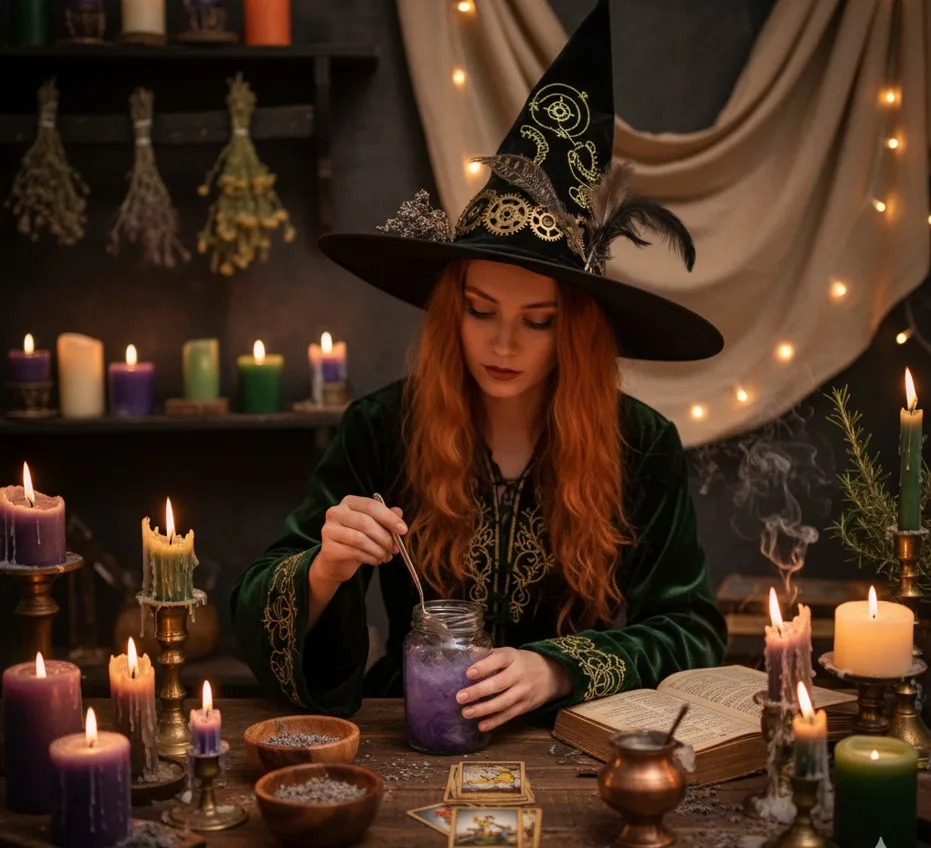
Candle light meaning is rooted in the idea that lighting a candle is a ritual act that focuses the mind. In candle magic, the flame carries intention. As writer Aliza Pelto explains, “Candles are like batteries: the bigger the candle and the longer it burns, the more energy is going to be put toward your goal.” In practice, witches often charge a candle by concentrating or speaking their desire as it burns. A common spell takes your written wish and sends it up in smoke: you write your intent on paper, then hold it in the candle’s flame so it catches fire, watching the message transform into ash. The flying sparks and rising smoke become the physical embodiment of your prayer or goal.
The candle is also a bridge to the spirit world. Many traditions say that lighting a candle invites the presence of guides, ancestors or deities. Because the flame is prayer and light, the act of ignition can be an appeal to higher forces. For example, folk traditions in Mexico and Catholicism light candles on home altars (or in churches) to summon the spirits of loved ones or saints. In Mexico’s Day of the Dead, candles on altars are meant to guide ancestral spirits back to the living world. In magic, a flickering or unusually bright flame during a ritual might be read as a sign that those spiritual helpers are with you.
Candles also set the atmosphere for meditation and trance. The steady, warm light can induce a calm state where intuition flows. One may simply gaze into the flame while breathing deeply, asking silently for guidance. Candlelight vigil or meditation is a silent prayer, relying on the meaning of lighted candle as a point of focus. Indeed, as Sarah Potter observes, even when using a candle in a simple intention ritual, the lamp “supports us, it gives us something to focus on… it becomes the vessel for the intention.” In short, candle light means amplifying your will and tuning into subtler energies – it anchors your focus and literally lights the way for your magic.
Setting Intentions with Candles
Charge and Dress
Before lighting, many practitioners anoint candles with oils (from base to tip) and roll them in herbs. This embeds the candle with purpose. (If you want, inscribe symbols or witch sigils symbols into the wax, each stroke infusing the candle with your goal.)
Speak Your Intent
Close your eyes, hold the unlit candle, and clearly state (silently or aloud) what you want. Visualize the outcome as if it is already happening. Then light the candle. By doing so, you activate your spell.
Burn and Release
Let the candle burn in a safe space while you meditate on your intention. You may choose to burn it completely or snuff it out at a set time, depending on the tradition. Each time you light it again, visualize your aim growing closer to reality.
Journal It
Many spellcasters keep a journal of candle magick. Note the date, candle color, your exact intention, and any flame behavior. This helps interpret results and refine your practice.
Through these steps, candlelight becomes a living conduit for intent. It bridges thought into reality – as the meaning of a lighted candle in ritual is ultimately about manifestation and connection to higher power.
Candle Magic Rituals and Traditions
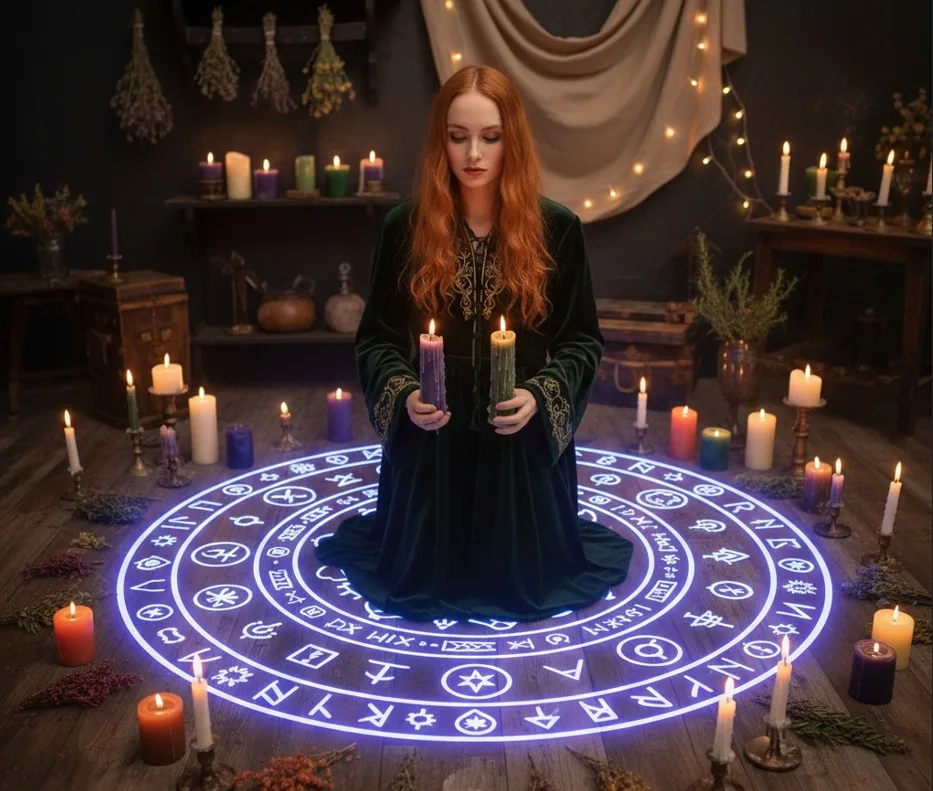
Candle light meaning can be found in countless magical rituals and spiritual ceremonies, each with its own purpose. For example, ancient civilizations integrated candles into sacred rites: Egyptians lit candles to honor deities, confident that the smoke would carry prayers heavenward. Romans burned candles on household altars to bless and protect the home. In contemporary pagan practice, lighting the altar candle is a common opening for ceremonies, symbolizing the presence of the divine. In this way, candle light means far more than illumination – it is both offering and invocation. Across traditions, the meaning of a lighted candle is consistently tied to reverence, protection, and connection to higher powers.
Many modern rituals incorporate candles in specific ways:
Offerings and Prayer
In devotional magic, lighting a votive or prayer candle is an offering to a deity or spirit. The burning candle is literally a steady plea. Similarly, medieval and folk Catholics light novena candles for nine days of prayer, often inscribing a prayer intent on the candle’s glass.
Spellcasting
In many spell rituals, practitioners write their wish on the candle (or paper) or carve symbols into it. Then the candle is anointed with oils corresponding to the goal (love oil for romance spells, frankincense for spiritual insight, etc.). Once lit, the candle is left to burn with the caster’s focused visualization. This process seals the intention into the flame.
Divination (Pyromancy)
Candles are used in divination rituals to gain insight. This can be as simple as watching how a candle burns for an answer (two flames for a yes, erratic flame for caution, etc.) or as formal as candle scrying (staring into the flame to receive visions). Candle divination (lychnomancy) has roots in European folk magic, and it remains a practice for obtaining spiritual guidance.
Protection and Banishing
Some rituals use candles to cleanse or banish negativity. For instance, a candle may be passed around a space while reciting a spell to drive out unwanted energy. Black candles are sometimes burned in spells specifically meant to absorb or dispel evil (in line with their color correspondence).
Ceremonial and Communal
Candles play roles in celebrations too. Blowing out birthday candles while making a wish is a folk ritual echoing ancient belief – the Greeks thought the smoke carried wishes to the gods. Candlelight vigils or group candle rituals symbolize unity and collective intention (modern pagans often hold full-moon candle rituals for world peace or gratitude).
Ancestral Remembrance
Candle light meaning is deeply tied to remembrance and reverence. Lighting candles to honor the dead is a cross-cultural practice. In Mexican Día de los Muertos, families light candles on altars to guide their ancestors’ spirits home. Jewish tradition has Yahrzeit candles for remembering the departed. In spirit work, a lit candle often stands for a loved one or a spirit guide watching over the ritual.
Each of these rituals shows a facet of what candle light means in practice: it is a vehicle for offerings, a focus for intention, and a beacon for spiritual entities. In all cases, the candle’s purpose is set by the practitioner’s will – turning the mundane act of lighting into a powerful magical sign.
Across cultures and eras, the meaning of a lighted candle has remained remarkably consistent. Whether in a grand temple or your own altar, the candle’s flame connects us to the sacred. It symbolizes our prayers turned to light, our hopes kindled into reality, and our intentions made clear. As you light your next candle, remember the centuries of lore it carries: the flame could be illuminating your goals or lighting your path, reminding you that even the smallest light can conquer darkness.