
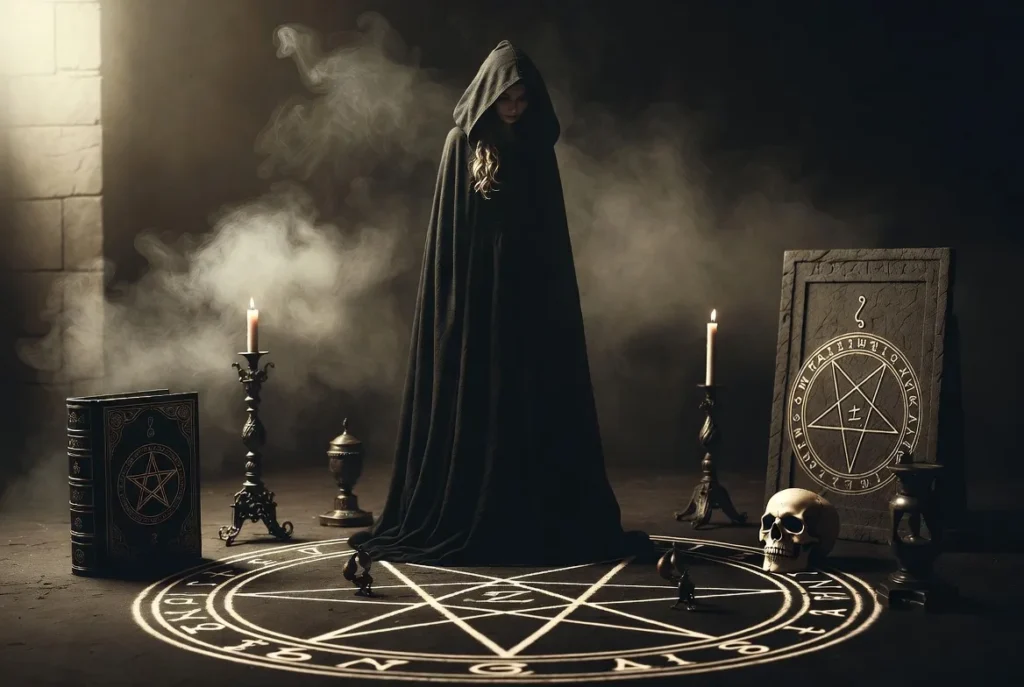
Dark magic, often termed black magic or the dark arts, encompasses practices aimed at causing harm, manipulating free will, or defying natural laws through supernatural means. Key types of dark magic include necromancy (raising or communing with the dead), blood magic (using life-force or blood as power), demonic summoning/daemonology, shadow/void magic (manipulating darkness, absence, or anti-energy), cursecraft/hexing, soul-binding and possession, chaos or eldritch arts (reality-warping, forbidden bargains), decay/pestilence magic, mind-control/domination, and dark alchemy/forbidden ritualcraft
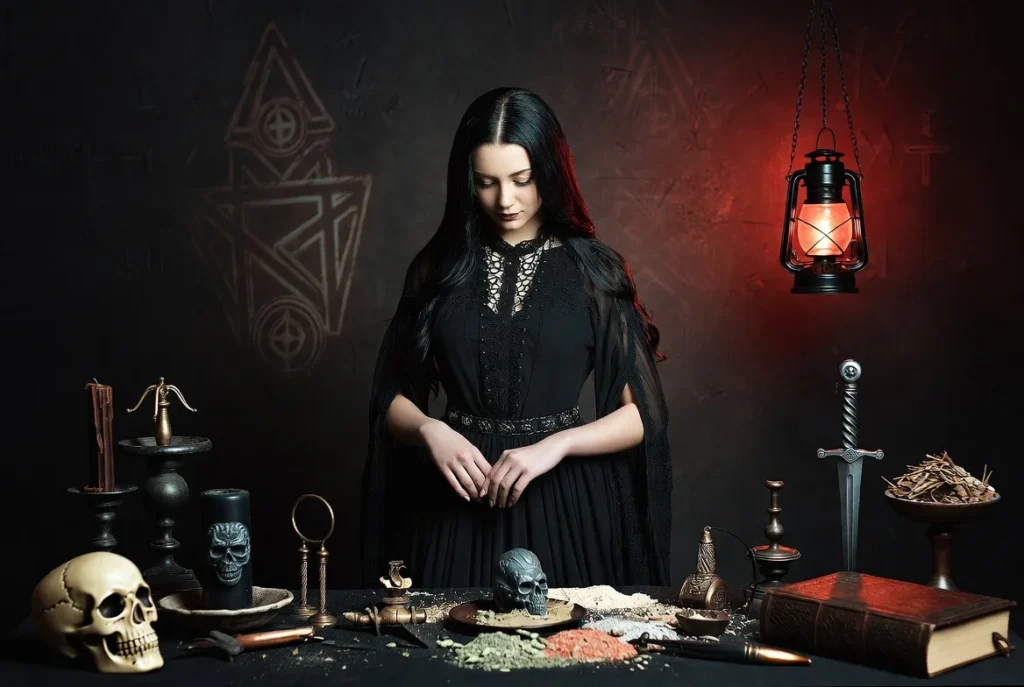
What Counts as Dark Magic?
Put simply, dark magic (or “black magic”) is usually defined as magic for selfish or harmful purposes. It covers any spell meant to hurt someone, bend their will, or get something at others’ expense. This can mean a lot of things, so it helps to break it into types. You might also hear people talk about “gray magick” or “shadow work” – those blur the lines between good and bad. Some witches say “gray magic” is using traditionally light or dark tools without judging, focusing on intention. In practice, though, when we say “dark magic” here, we’ll stick to spells generally intended to harm or control.
Dark magic shows up in folklore and modern witchcraft in many ways. For example, a remedy-seeker might say, “I cast a curse,” or “Do a hex,” meaning they want to jinx someone. Others may “call” spirits or demons (necromancy, demonology) for power. Some use blood or other potent ingredients believing they fuel a spell with stronger energy. We’ll touch on each of these below.
Read more : Demystifying Satanic Rituals
Types of Dark Magic
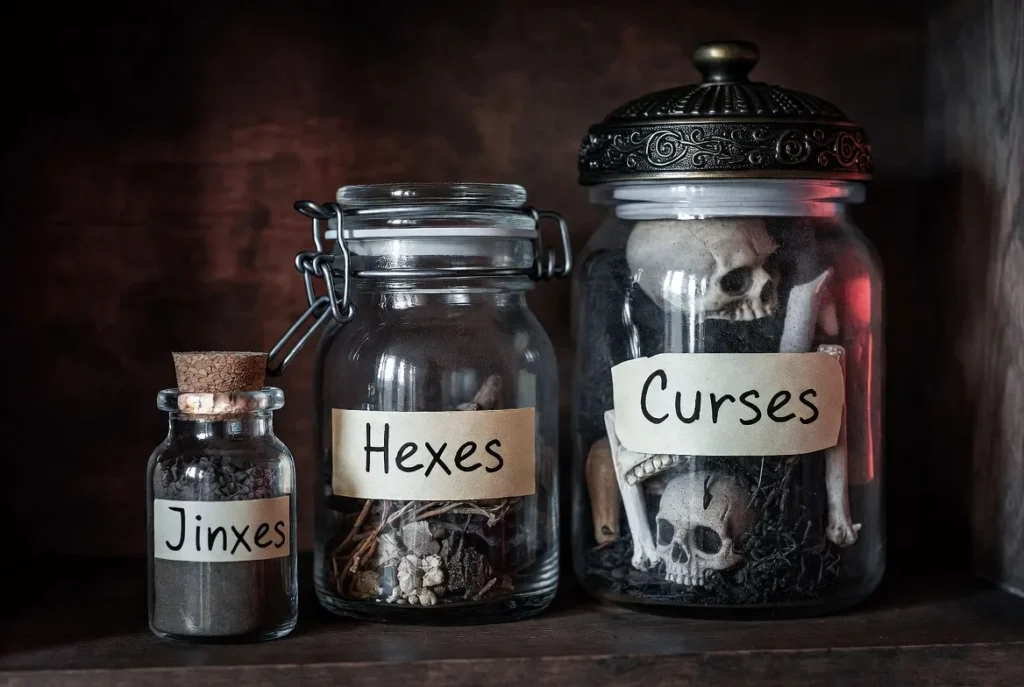
Jinxes, Hexes, and Curses (Small, Bigger, and Biggest Spells)
Most witches know a jinx or hex as something smaller than a full-on curse. These are often grouped under malefic spells (from Latin maleficium, meaning wrongdoing). The difference mostly comes down to duration and power:
- Jinx – Think of this as a minor bad-luck spell, more nuisance than real harm. It causes little annoyances, like spilling your coffee or snagging every red light. You might not even realize it’s magic; it feels like just a run of bad luck. As one practitioner put it, a jinx is “more of an annoyance than anything, rarely doing any actual harm”. It’s like bumping your toe — annoying, but you’ll move on quickly.
- Hex – A hex is stronger, usually one sharp hit of bad luck. Imagine tripping and breaking your arm (ouch!), but once that’s dealt with, the spell is done. It’s like a single punch: painful and noticeable, but finite. For instance, a hex might make you miss that job opportunity or cause a short-term illness to slow someone down. Witches often say hexes are “powerful one and done curse” – heavy but not ongoing.
- Curse – The heavy hitter. A curse sticks around and tends to cause long-term trouble. It’s like a cloud following someone, making multiple areas of life difficult. For example, you might hear of a curse making a person unlucky in love for years or constantly ill in one aspect of their life. In one explanation, a curse has “the power of a hex and follows you around”, affecting not just one event but every part of something (like never having a good job or relationship). These are the most serious malefic spells.
Keep in mind: there’s some debate among witches which is worse, hex or curse. Some folks say curses are worst because they hang around. Others argue a hex (with a lot of focused intent) can hit harder. Either way, hexes and curses are the core “dark magic types” when it comes to hurting someone via witchcraft.
A lot of real witches warn that jinxes, hexes or curses can backfire. As one teacher said bluntly, “Dark magic isn’t inherently evil, but it’s messy. You have to be prepared for the consequences.”. In short, a curse might boomerang back if you’re not careful.
Necromancy: Speaking with (or Raising) the Dead
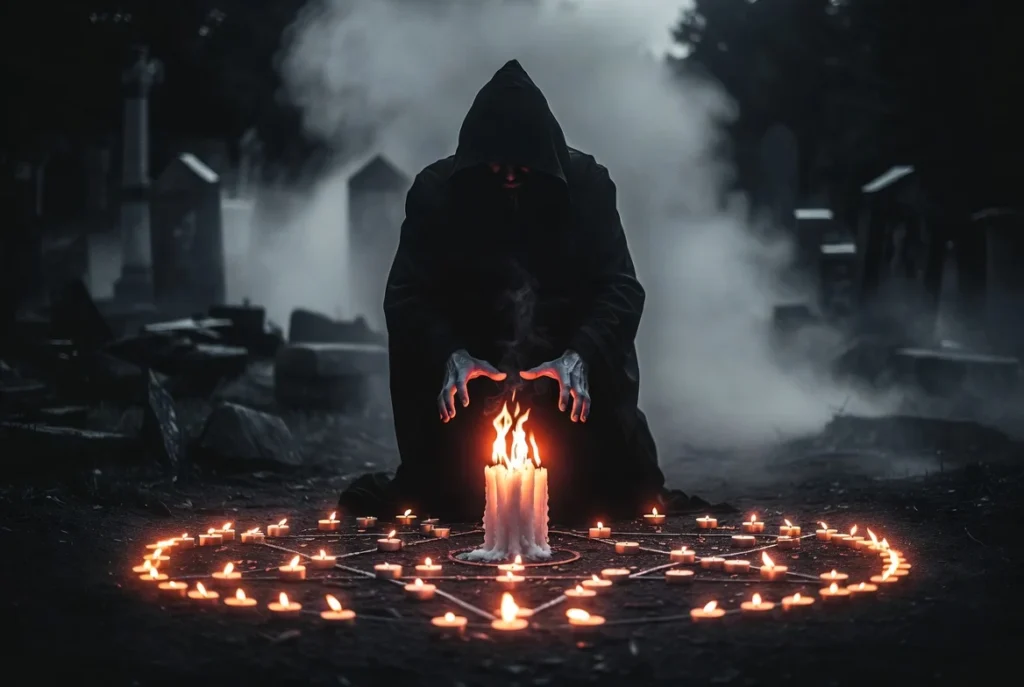
One classic dark magic type is necromancy. Necromancy means communication or dealings with the dead. That could be as simple as scrying to hear a ghost’s advice, or as extreme as raising the corpses. Practitioners might summon spirits to answer questions, seek knowledge of the future, or even try to control the dead. The idea is that a dead person (or a zombie!) is manipulated to serve the caster’s will.
Britannica explains necromancy as speaking with the dead “usually in order to obtain insight or to accomplish some otherwise impossible task”. It’s an old practice: people in ancient Egypt, Greece, and medieval Europe turned to necromancers for secrets. In modern witchcraft, necromancy is often seen as taboo or very advanced. It’s dark because it crosses the natural boundary of life and death – and sometimes uses techniques like graveyard magic or actual body parts.
Many traditions say necromancy “came to be associated with harmful, antisocial magic”. For example, incorporating graveyard dirt, using blood from a fresh kill, or desecrating bones can be part of a necromantic ritual. (If you’ve ever seen a horror movie with zombies or talking skulls, that’s pop culture’s take on it.) Real witches who work necromancy stress respect: you’re dealing with spirits or bodies that can get angry. It’s definitely one of the “darker” corners of witchcraft, and it carries heavy ethical weight.
Demonology and Summoning
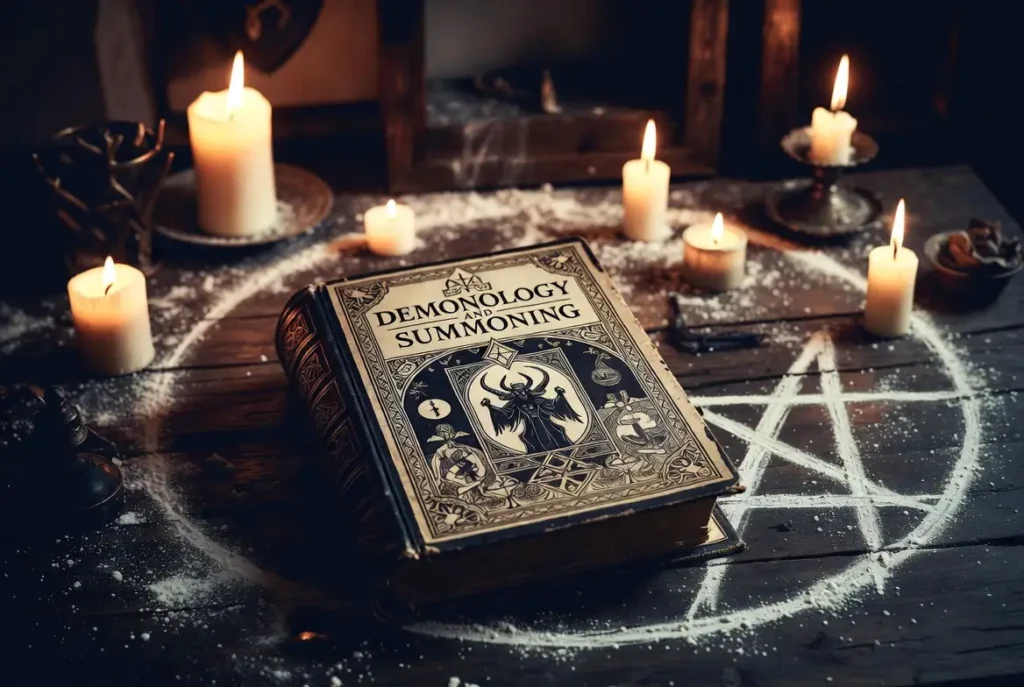
Another area often labeled dark is demonology. This means working with demons, evil spirits, or malevolent entities. A demonologist might summon a demon for power, make pacts, or harness its energy to curse others. Think of the Faust story: selling your soul for knowledge or wishes.
In practice, demonology is complex. Some witches might call out to a spirit of chaos or something from a “lower” realm – sometimes viewed as demons, jinn, or trickster entities. They might bind the spirit to do their bidding. This type of magic is risky, because you’re dealing with beings that might deceive or harm you in turn.
Modern sources lump this in with dark magic, saying it’s about “working with or summoning malevolent entities or demons to gain power or carry out destructive acts”. If you’ve ever heard “Be careful what you summon,” this is why. Some witches completely avoid demonology, choosing benign spirits instead, while others consider it a form of intense magical research.
Blood Magic
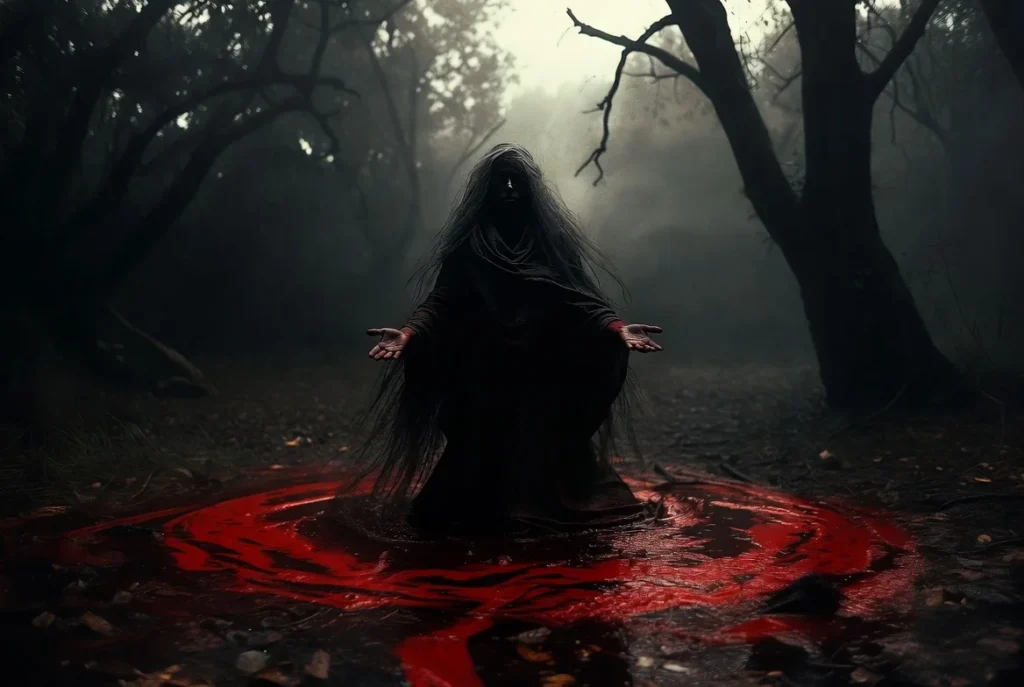
Blood has long been seen as a potent magical ingredient. Blood magic means literally using blood in rituals. The idea is blood is life force, so a spell with blood is charged with the caster’s life energy (or even someone else’s).
Blood magic might involve using one’s own blood (like finger-pricking or cutting palms) or taking blood from animals or other humans. Rituals can use blood to strengthen spells, bind targets, or open “doors” to deeper power. Historically, witches have used animal blood in various rites; modern blood magic practices vary widely by tradition.
Because it’s personal and vivid, blood magic feels edgy and taboo. It’s not dark just because of the ingredient – blood can be used for healing (like a blood bond) – but many associate it with dark intent, since it’s often used in intense spells like curses or binding. For example, a common dark spell might be a black candle dressed with a drop of your own blood to curse someone. This type of magic is often seen as crossing a line by many Wiccans, since it involves bodily sacrifice. But some practitioners do include it in their toolkit, always with respect and caution.
Binding, Banishing, and Revenge Spells
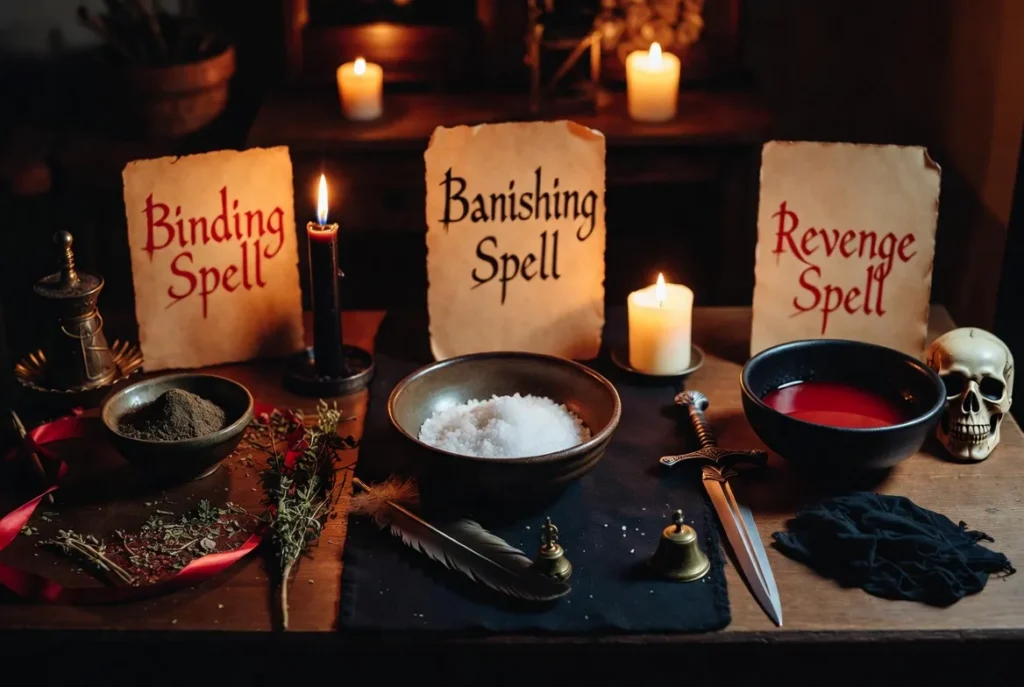
Beyond curses, other dark magic categories include binding spells and revenge spells. These aren’t necessarily “sorcery” in the classic sense, but they’re under the umbrella of manipulative magic:
- Binding Spells – These are used to restrict or limit someone, like putting them “in chains” magically. Instead of harming, a binding spell might stop someone from acting. For example, a witch might bind a violent person so they can’t hurt others, or bind a gossipy neighbor so they stop talking. Binding uses cords, knots, or symbolic pictures to tie a person’s energy. It can be used defensively (to hold back an attacker) or offensively. Folk examples include tying a knot at midnight while reciting a chant. Binding sits in a gray area – some see it as protective (keeping harm at bay), others as controlling someone’s free will.
- Revenge Spells – Also called eye-for-an-eye magic, these aim to give back pain to someone who hurt you. The idea is instant karma: whatever someone did (a lie, an offense, cruelty), you cast a spell to make them suffer something similar. A revenge spell might spike on rising anger and the will to see justice done. They are risky because they rely on personal anger and karmic arguments. Often they’re just strong curses or hexes triggered by a specific act. In witchcraft communities, people debate this: some see it as justified self-defense, others warn it only perpetuates negativity.
- Spirit Attachment – This is about using spirits (often negative ones) to do harm. For example, some witchcraft lore warns of a healer or witch who binds a dark spirit to a hated person, so the spirit haunts or weakens them. It’s like sending a “bodyguard” demon to hurt someone. This gets into possession territory and is considered quite dangerous. It can also happen by accident; for instance, if someone is depressed, they might become an easy host for a troublesome spirit. Witches might perform psychic cleansings to remove such attachments. Using spirit attachment spells deliberately is definitely on the dark witch side, as it forces a negative presence on another person.
Voodoo, Folk Curses, and the Evil Eye
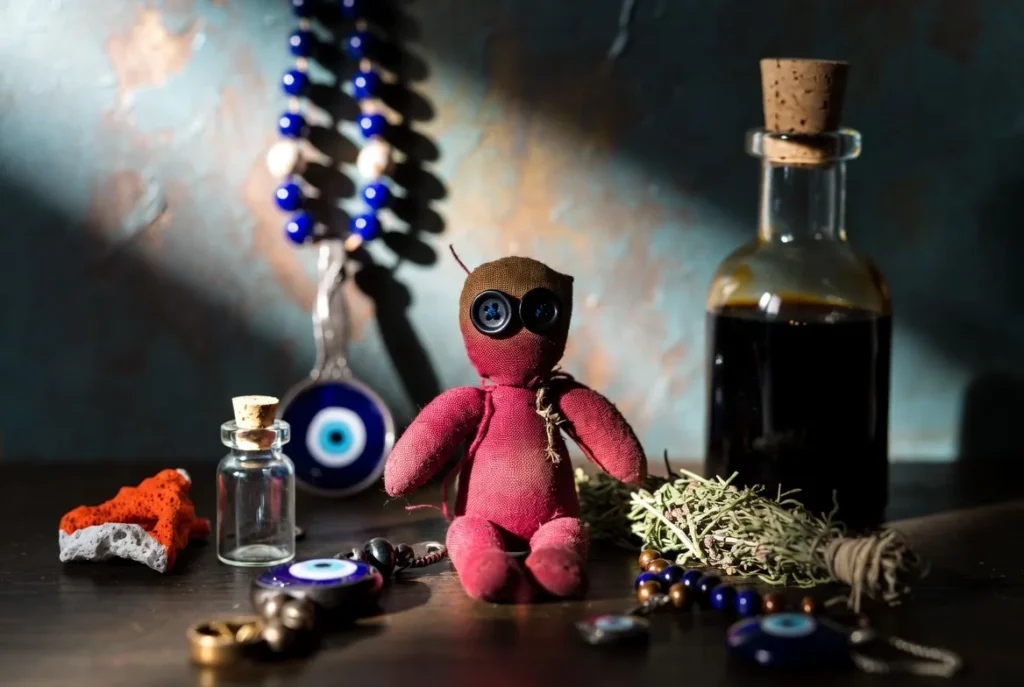
Often when people hear “dark magic,” they think of Voodoo (Vodou) or other folk traditions. In reality, most traditional Voodoo (from Haiti, New Orleans, etc.) is not all about harm. It’s a religion with spirits (loa), divination, and healing. However, some voodoo practitioners do use magic in ways Westerners consider “black” – such as casting curses or using dolls (the famous “voodoo doll,” though that’s actually more from Europe’s witchcraft story than traditional Vodou).
It’s true that in Voodoo there is a concept of “white Vodou” (protective, healing) and “black Vodou” (hexes and curses). But in general, many practitioners emphasize community, healing, and balance. Still, certain “folk magic” practices can be categorized as dark magic. For example, the evil eye is a very old concept (and not just Caribbean) where a jealous glare from someone can cause real bad luck. Many cultures have talismans to ward off the evil eye. Casting an evil eye back at someone on purpose is a form of curse. Similarly, tricks like spitting on someone’s picture, or placing nails in a doll with a name written on it, are classic sympathetic curses found in many folk traditions.
So under “dark magic,” include folk curses from various cultures – voodoo dolls or hoodoo rootworkers setting “evil cords” on people, or even modern spells on social media (yes, some prank curses fly around online!). The key is intent and method: if it’s meant to harm or manipulate, it fits the bill, regardless of the tradition.
Gray and Shadow Magic: Intent Matters
At this point you might wonder: if magic itself is neutral, is any type truly evil? Some witches talk about grey magic or shadow work. The idea is not to glorify dark deeds, but to accept that not everything can be pretty flowers all the time. Shadow work often means facing one’s own darkness, dealing with fear, or healing trauma – which could involve curses, but also healing blocks.
Another related term is “shadow magic” (not always a separate type of spell, but a practice). It means using inner negative emotions (anger, fear) for magic, or working with shadowy aspects of the psyche. For instance, reflecting a curse back on its sender is a common “mirror spell” in witchcraft. Some see that as dark, others as just personal protection. There’s even a book called Of Blood and Bones: Working with Shadow Magick that encourages witches to explore those parts of themselves responsibly.
In practical terms: if a spell is labeled “dark,” it’s usually judged by purpose. A love spell can be dark if it forces someone’s will (often called a “binding love spell” or “psychic vampirism” if used to drain affection). Even something like divination can turn dark if you use it to manipulate someone secretly. So rather than fixed categories, “dark magic” often means magic done for mean or selfish ends – whether it’s called a curse, a binding, a demon pact, or something else.
Playing Safely: Ethics and Precautions
No article on dark magic would be complete without a little reality check. Many witches, Wiccans, and pagan communities teach that magic is a tool that follows natural laws (karma, threefold law, etc.). That means spells often “bounce back” or have side effects. Practitioners commonly say things like “As you send, so shall you receive” or “Spell in, spell out” to warn against reckless hexing. It’s kind of like playing with fire: the flame may burn the intended target, but it can catch you, too, if you’re not careful.
Common advice for dealing with dark magic practices includes strong protections: wards (circles, herbs, mirrors), cleansing (rinsing with saltwater, smudging with sage, say cleansing words), and setting clear intent. For example, witches often teach a basic warding spell to shield against curses. If you study dark spells, you should also learn counterspells: how to reverse a curse or send it back. Even simple things like wearing protective symbols or keeping a clear “energy field” around you can help.
Also, consider this: many think the easiest way to break a curse is simply to stop believing in it. Doubt and forgiveness can dissolve magic that was only fueled by fear. If you suspect someone has cast a hex, inner work (like meditation or changing your energy) and protective rituals often do the trick. (Yes, bullocks to the naysayers: sometimes looking at a problem differently cures it.)
Finally, a tip from folklore: do not underestimate simple measures. There are stories of people warding off dark spells by carrying a piece of garlic, wearing red threads, or saying a prayer. Even salt sprinkled at your doorstep can keep out harmful spells according to many traditions. These might sound small, but cultural wisdom is often tried and true.
In Summary: Magic with Awareness
Dark magic comes in many forms. You could think of “dark magic types” as a menu of things witches caution about: curses (long-term and heavy), hexes (short punch), jinxes (mild annoyances), necromancy (talking to or raising dead), demonology (messing with demons), blood magic (using blood to power spells), and so on. Other entries on that menu are binding spells (tying someone up magically), revenge spells (instant karma), and certain uses of voodoo or folk curses. Essentially, any ritual aiming to control, hurt, or coerce tends to fall under the “dark” label.
That said, remember: in thoughtful witchcraft communities, intent is everything. If you’re forcefully intervening in someone else’s life, even with “good intentions,” be cautious. Many modern pagans say evil isn’t a real force you can borrow – it’s just a name we give to harm and selfishness. So while we explore these terms, keep the Wiccan Rede in mind: “An it harm none, do what ye will.” If you do practice any baneful magic, do it with respect for that power and be ready for results.
You know what? Even describing all this can get pretty heavy. But it’s valuable knowledge for any witchy person. Think of it as knowing which potions are poisonous as well as which are healing. Being aware means you can choose wisely.
At the end of the day, whether you see these practices as dark or just tools depends on you. Many modern witches walk the balance: they focus on healing and growth, but they’re honest that sometimes justice or self-protection calls for tougher magics. Whatever camp you’re in, it’s always good to learn the language and lore. After all, the best magic you cast is the one you understand.
Pingback: Spells for Dark Magic: Real Beliefs About Black Magic and Witchcraft - Witch symbols
Pingback: Dark Magic Spells: A Guide to Rituals, Love Spells, and Dark Practices - Witch symbols
Pingback: My Experience with Black Moon Rituals and Dark Moon Witchcraft - Witch symbols
Pingback: What is the difference between black magic and dark magic? - Witch symbols
Pingback: Practicing Dark Magic - Witch symbols