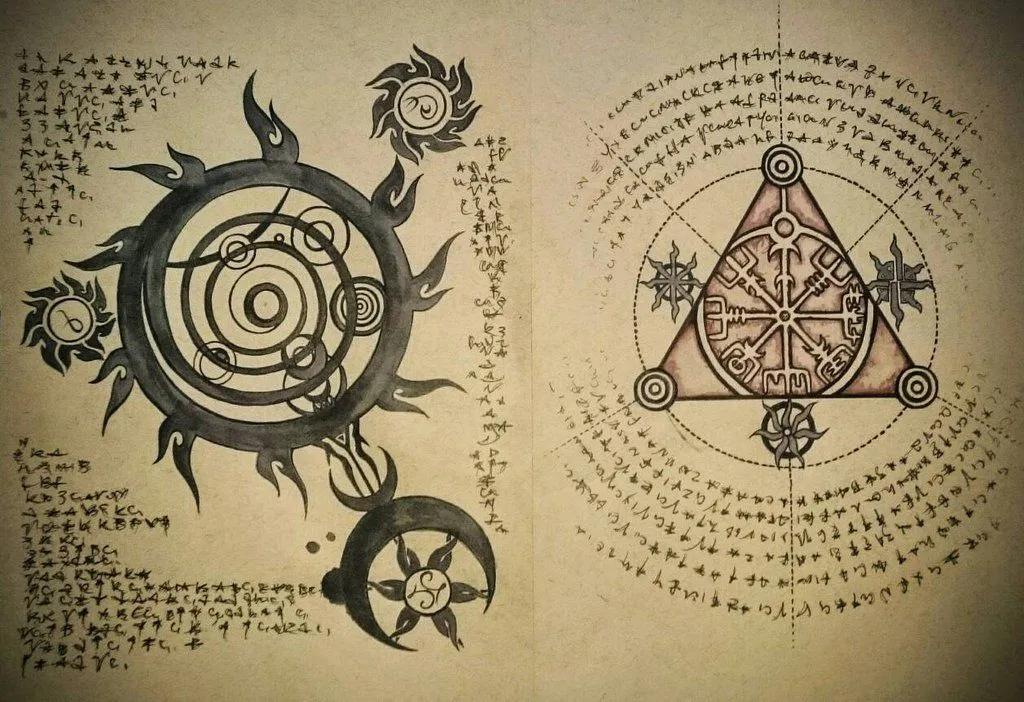
Witch symbols are a working vocabulary, not decoration. When I draw a pentagram on a candle before a protection working, I’m not doing it because it looks powerful. I’m doing it because the five-pointed star maps directly to the five elements: earth, air, fire, water, and spirit. Each point is a specific reference, not a vague gesture toward “magic.”
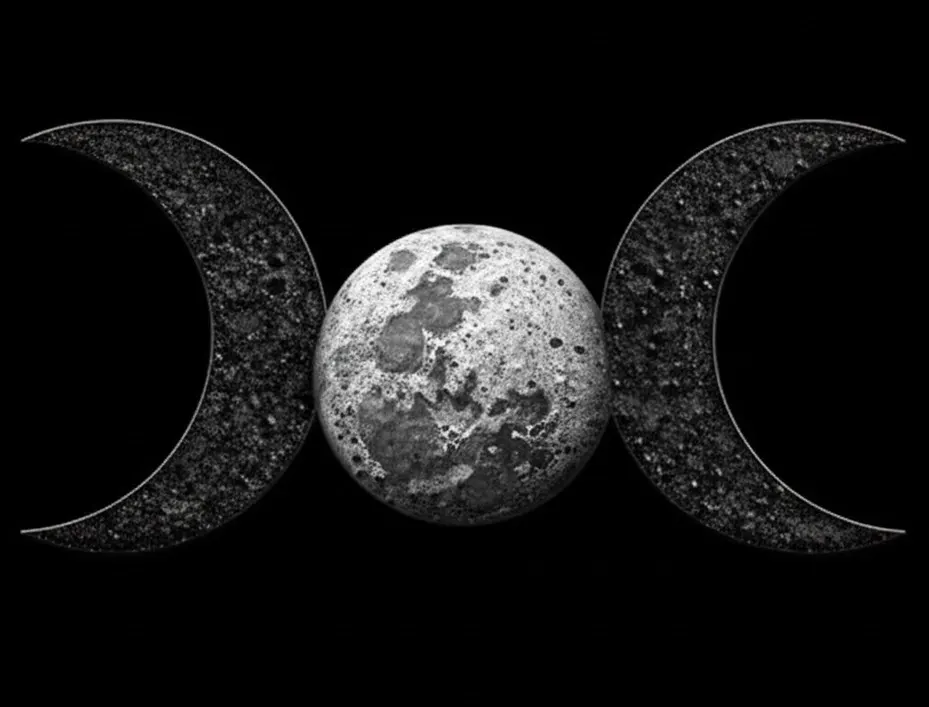
The triple moon is the other one people get wrong constantly. It’s not just a pretty moon phase image. The three phases, waxing, full, and waning, correspond to the Maiden, Mother, and Crone aspects of the Goddess as documented in Robert Graves’s 1948 work “The White Goddess,” which shaped how most modern Wiccan practitioners relate to lunar symbolism. When you hold a piece of jewelry or a carved token with this symbol, the texture under your fingers connects to something older than the shop it came from.
These symbols work because they carry specific assigned meaning that practitioners agree on and reinforce through repeated use. That agreement is the mechanism. Not mystery.
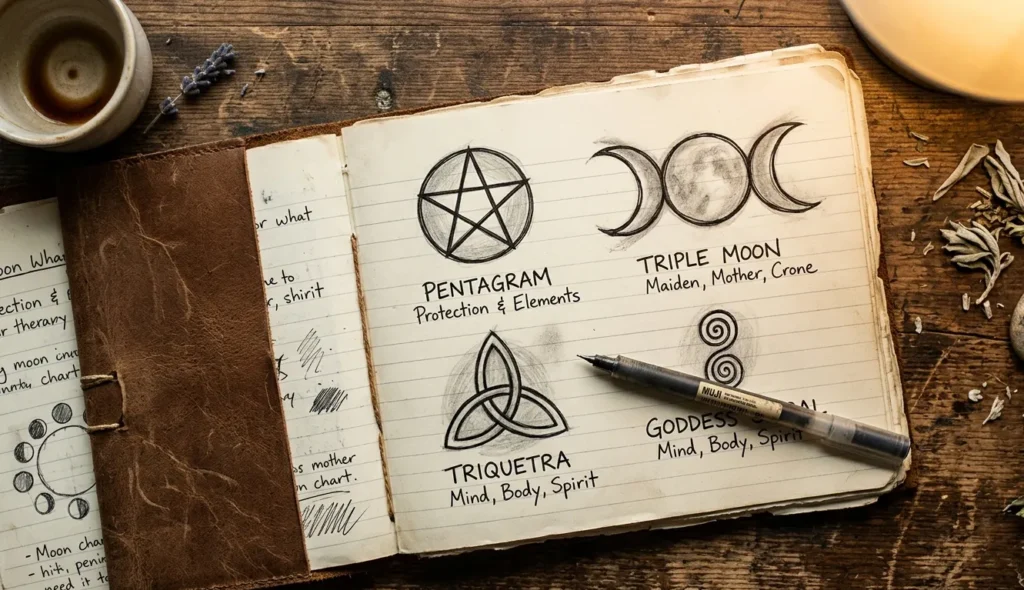
Witch Symbols and Meanings
1. The Pentacle / Pentagram
- Description: A five-pointed star within a circle.
- Symbolism: Represents the five elements—Earth, Air, Fire, Water, and Spirit. It is a symbol of balance, unity, and protection.
- Origin: The pentagram dates back to ancient Mesopotamia and Greece, where it was used as a symbol of health and harmony. In modern witchcraft, the pentacle is widely associated with Wicca and ceremonial magic.
- Use: Carve on tools, wear as jewelry, or draw during ritual circles for protection and grounding. In addition to protection and grounding, the pentacle can also be charged with specific intentions (like love or prosperity) and placed under a candle or spell jar to amplify its power. For meditation, trace the star with your finger while visualizing the five elements aligning.
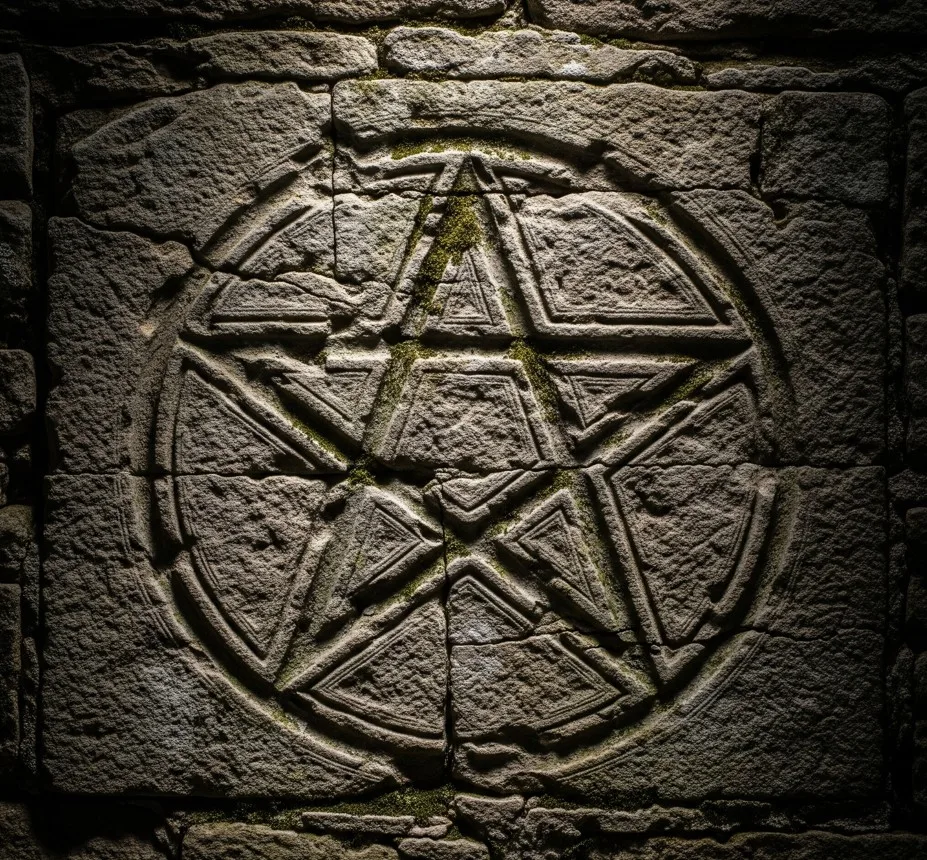
What is the Difference Between a Pentacle and a Pentagram?
- Pentagram: The five-pointed star itself, often used to represent the five elements.
- Pentacle: The pentagram enclosed within a circle, symbolizing unity, protection, and the connection of all elements. The circle adds an extra layer of meaning, representing wholeness and infinity.
While both terms are sometimes used interchangeably, the pentacle is more commonly associated with protective magic and ritual use.
2. The Triple Moon
- Description: Three moons side-by-side: waxing crescent, full moon, and waning crescent.
- Symbolism: Honors the Goddess in her Maiden, Mother, and Crone aspects and represents the moon’s phases. The Triple Moon can represent the lunar cycle’s impact on magic:
- Waxing Moon: Growth, manifestation, and new beginnings.
- Full Moon: Fulfillment, peak energy, and release of what no longer serves.
- Waning Moon: Banishing, introspection, and closure.
- Origin: Rooted in ancient lunar worship, the Triple Moon symbol reflects the cyclical nature of life and the divine feminine. It is widely used in modern Wicca to honor lunar deities such as Hecate, Selene, and Artemis.
- Use: Add to your altar during full or new moon rituals to connect with lunar energy. Place this symbol on tools like chalices or ritual wands when performing moon-based rituals. Use it as a focal point for drawing down the moon’s energy during meditation.
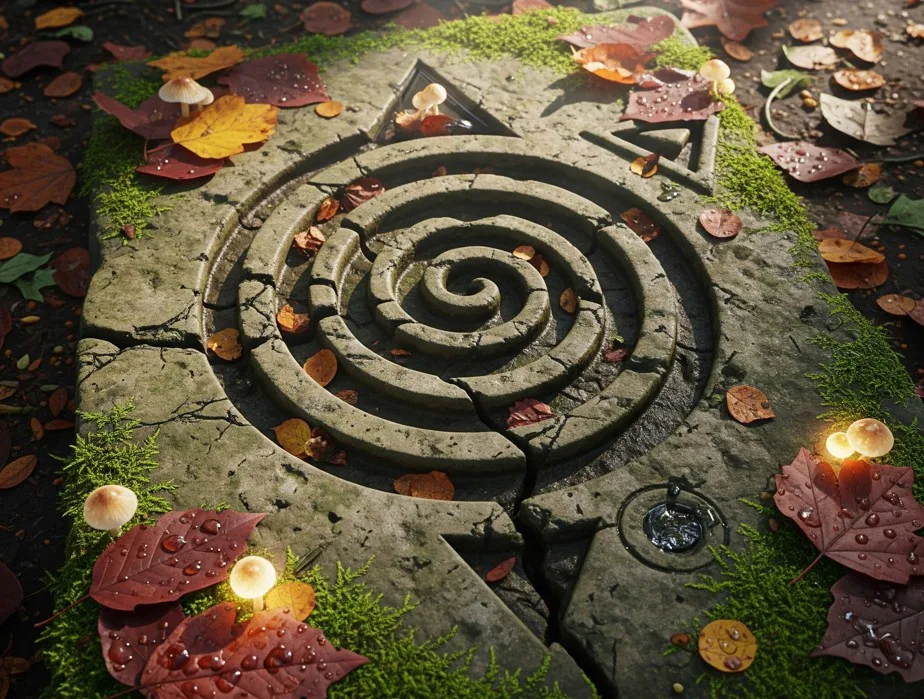
3. The Spiral
- Description: A single, outward-winding spiral.
- Symbolism: Growth, evolution, and the cycle of life, death, and rebirth. The spiral is also a representation of the flow of energy and the journey between the inner self and the universe. It connects life’s journey with spiritual evolution, reminding us to embrace cycles rather than resist them.
- Origin: The spiral is one of the oldest symbols found in prehistoric art, particularly in Celtic and Indigenous cultures. It represents the journey of life and the interconnectedness of all things.
- Use: Meditate on the spiral to focus on personal or spiritual transformation. Draw spirals in sand, salt, or on paper to represent personal growth and release blockages. It’s ideal for meditation to focus on overcoming stagnation or for spells seeking clarity.
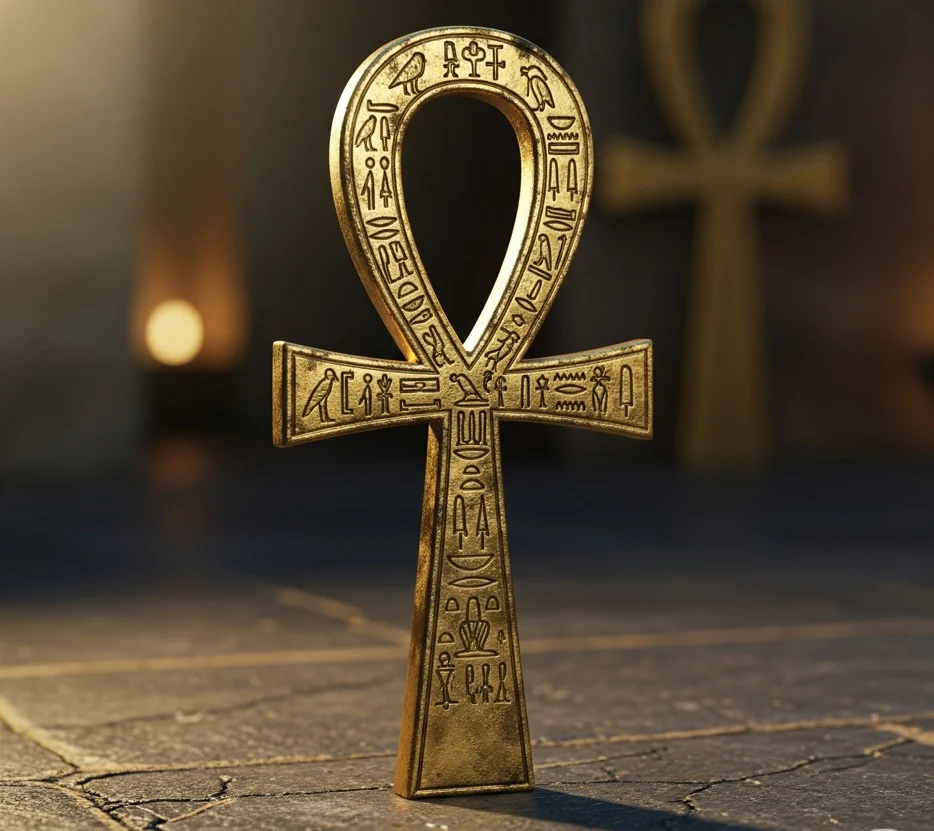
4. The Ankh
- Description: A cross with a loop at the top, from ancient Egyptian tradition.
- Symbolism: Eternal life, transformation, and balance of energies. The Ankh’s loop represents the union of opposites—feminine and masculine, life and death, physical and spiritual realms. It symbolizes balance as well as life-giving energy.
- Origin: In ancient Egypt, the Ankh was called the “key of life” and was associated with gods and goddesses, symbolizing immortality and the breath of life.
- Use: Wear or draw the Ankh for renewal and to honor the balance between life and death. Place an ankh at the center of a ritual space to align the energy of the divine masculine and feminine. Meditate with an ankh symbol in hand to reconnect with ancestral or divine wisdom.
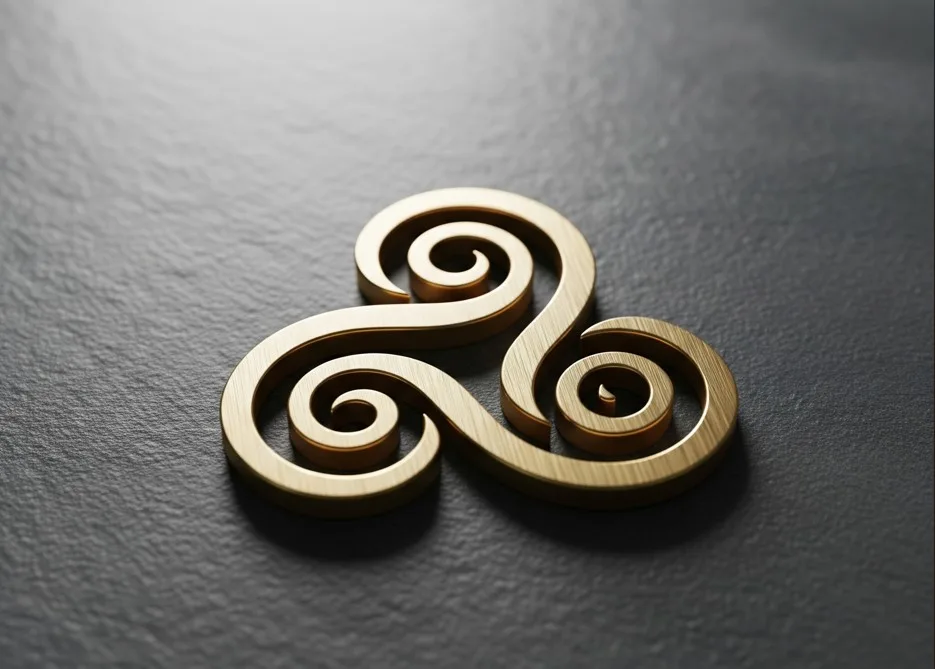
5. The Triskele (Triple Spiral)
- Description: Three spirals connected at a center point.
- Symbolism: Represents movement, life cycles, and the power of three (mind, body, spirit).
- Origin: The Triskele originates in Celtic traditions, particularly in pre-Christian Ireland. It is often seen carved on stones and monuments, symbolizing the cycles of life, death, and rebirth.
- Use: Trace or visualize the Triskele to align body, mind, and spirit. Use the Triskele during rituals or spells focusing on transitions:
- New beginnings: Set the intention of growth.
- Middles: Balance and grounding during a project or phase.
- Endings: Release and embrace closure.
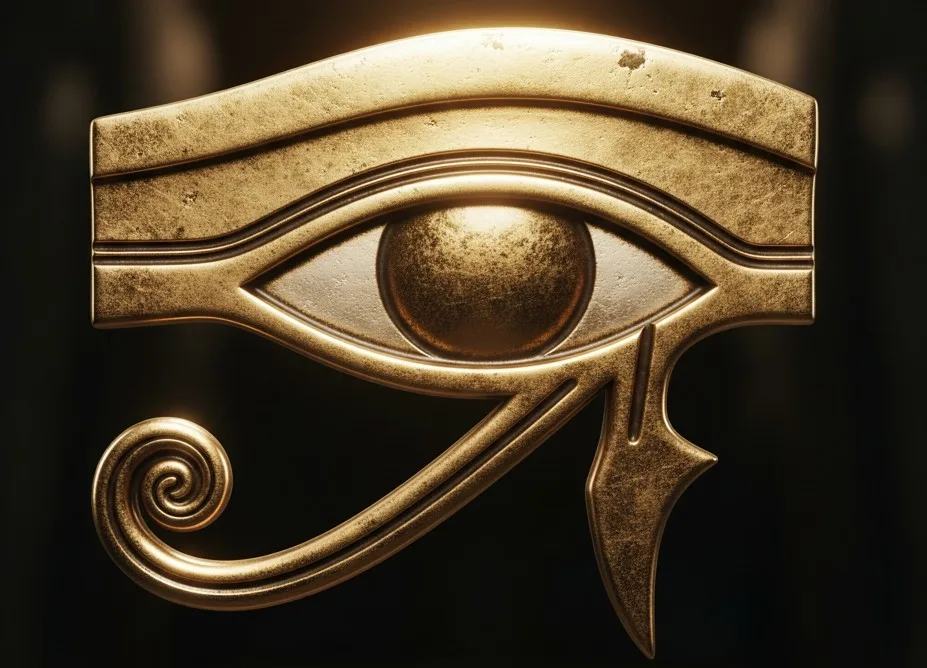
6. The Eye of Horus
- Description: A stylized eye from Egyptian mythology.
- Symbolism: Protection, health, and spiritual awareness.
- Origin: The Eye of Horus comes from Egyptian mythology, where it symbolized the protection and healing power of the god Horus. It was often used as an amulet for safety.
- Use: Draw or wear the Eye of Horus for protection during astral travel or spiritual work.
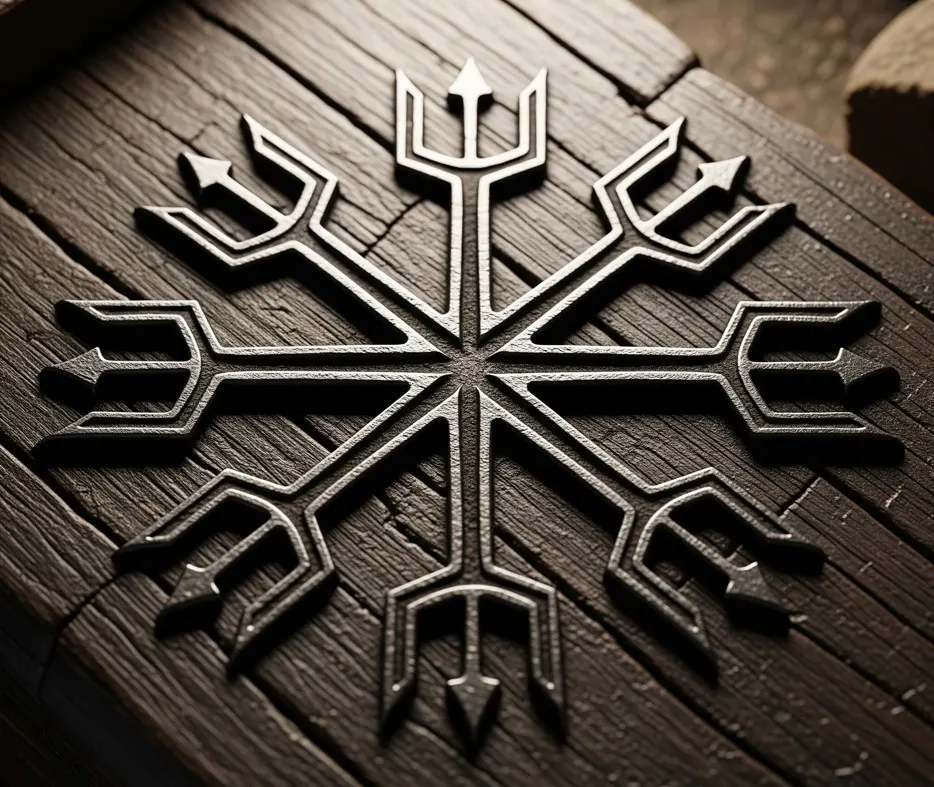
7. The Helm of Awe (Norse: Ægishjálmur)
- Description: A Norse symbol with intersecting lines forming a radial pattern.
- Symbolism: Strength, protection, and courage in times of adversity.
- Origin: The Helm of Awe is a Norse protective symbol, often mentioned in Old Norse sagas and associated with warriors seeking strength and fearlessness.
- Use: Visualize or carve this symbol when facing challenges or seeking empowerment. Draw the Helm of Awe on your body with oil or ash before rituals requiring courage or protection. It can also be etched onto weapons, wands, or shields (physical or energetic) for safeguarding during spiritual battles.
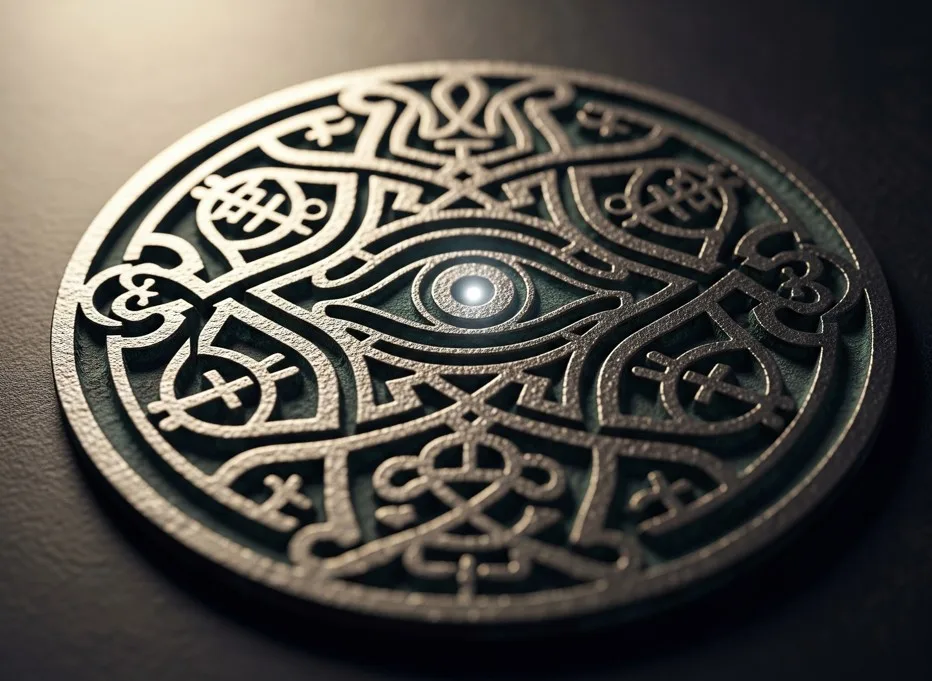
8. The Sigil
- Description: A personalized, abstract symbol created for a specific intention.
- Symbolism: Sigils are unique to the practitioner and focus on manifesting goals.
- Origin: Sigil magic originates in ceremonial and chaos magic traditions, where symbols are crafted to encode specific intentions.
- How to Create a Sigil:
- Write your intention (e.g., “I am safe and protected”).
- Remove duplicate letters and simplify.
- Combine the remaining letters into a unique design.
- Charge the sigil with energy through meditation, fire, or water.
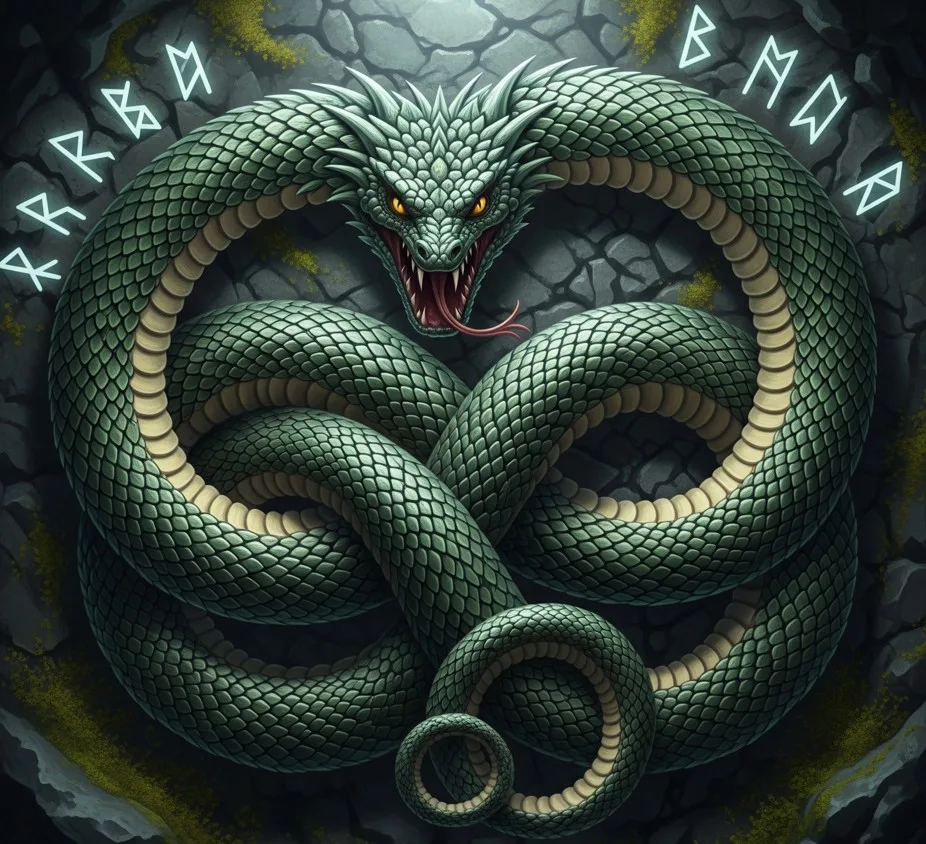
9. The Ouroboros
- Description: A serpent or dragon eating its tail, forming a circle.
- Symbolism: Cycles of eternity, rebirth, and transformation.
- Origin: Originating in ancient Egypt and Greece, the Ouroboros represents the eternal cycle of life, death, and renewal.
- Use: Visualize the Ouroboros during shadow work or healing rituals to embrace change and renewal.
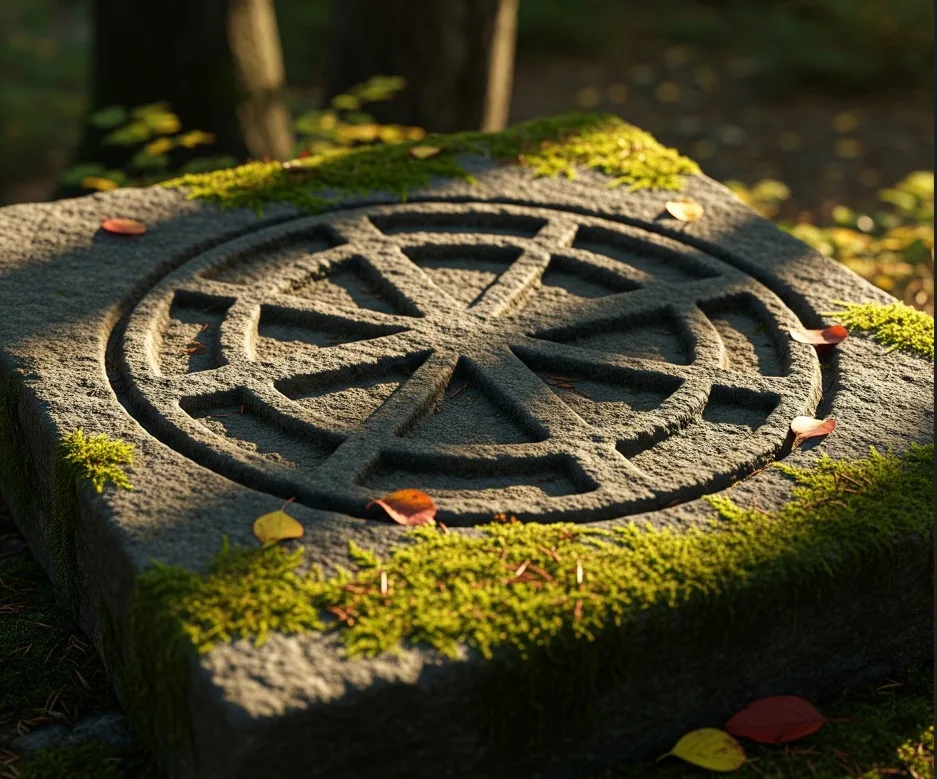
10. The Solar Cross (Sun Wheel)
- Description: A circle divided into four quadrants by a cross.
- Symbolism: Represents the sun, the four seasons, and the Wheel of the Year.
- Origin: Found in prehistoric European art, the Solar Cross is linked to solar deities and the passage of time.
- Use: Incorporate this symbol into Sabbat celebrations like Yule or Litha.
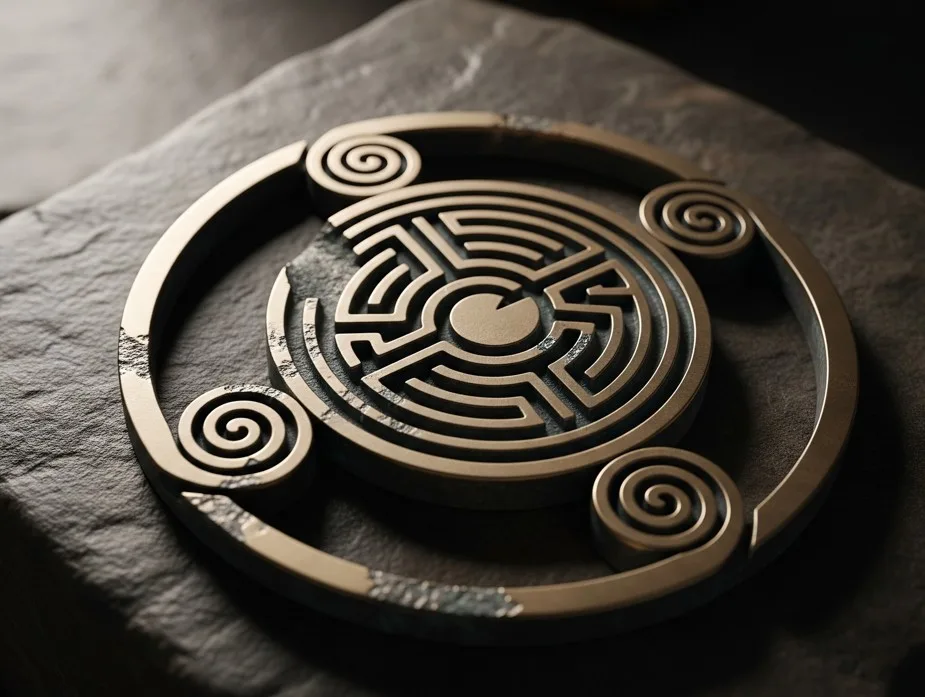
11. Hecate’s Wheel (Strophalos)
- Description: A circular labyrinth-like design with spirals and a star.
- Symbolism: Represents Hecate, goddess of magic, crossroads, and transitions.
- Origin: The Hecate’s Wheel, also known as the Strophalos, is an ancient symbol linked to Hekate, the Greek goddess of witchcraft, crossroads, liminality, and the underworld. The symbol consists of a wheel with a central star, often depicted with a three-part design.
- Use: It is used as a symbol of protection, spiritual guidance, and personal transformation. Modern practitioners may use it to honor Hekate, focus during meditation, or as part of rituals tied to the moon, liminality, and magic.
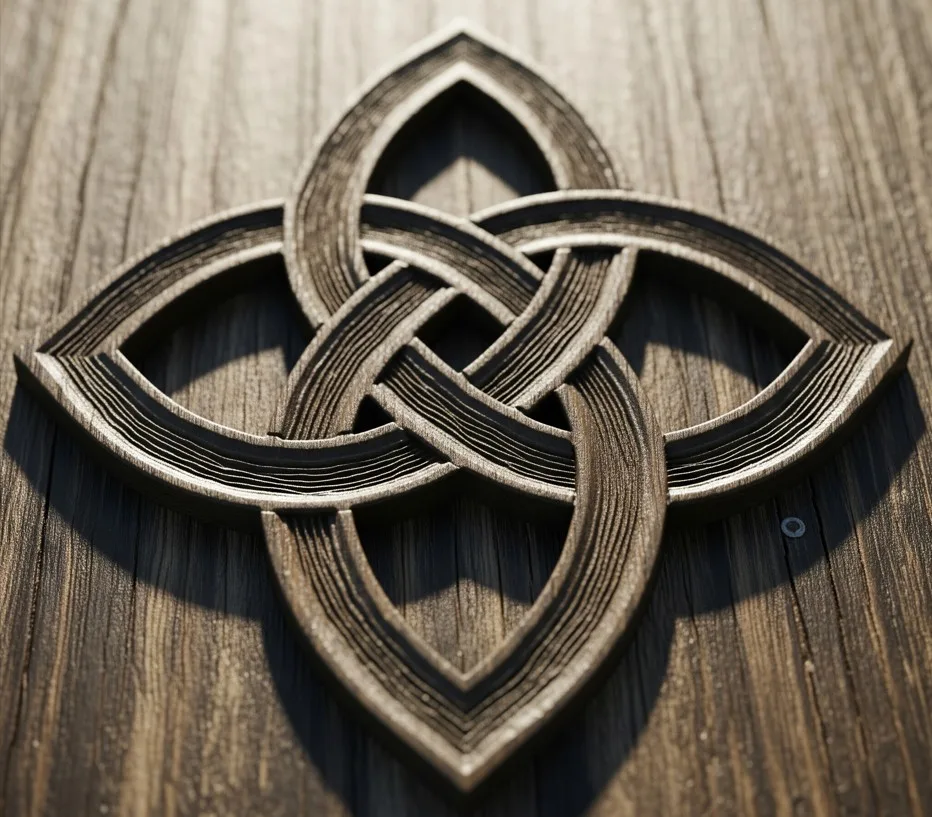
12. The Witch’s Knot
- Description: An intricate knot with no beginning or end.
- Symbolism: Protection and the binding of energies.
- Origin: The Witch’s Knot (or Magic Knot) is a more modern term for a symbol that likely evolved from Celtic knotwork traditions. The design consists of an interwoven figure often resembling a looped cross or a four-pointed knot.
- Use: The Witch’s Knot is typically a symbol of protection and magical power. Its interwoven loops are seen as an unbreakable shield, and it may also represent the interconnected nature of life and the four elements or directions. Draw on doors or windows for protection, or incorporate into charms.
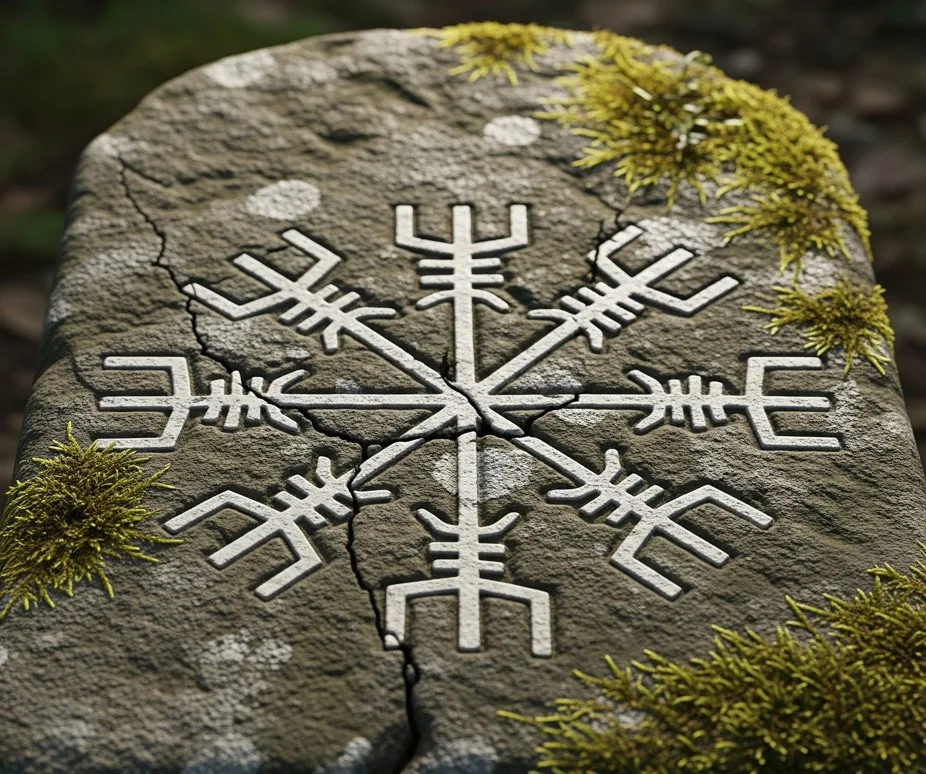
13. The Vegvisir (Norse Compass)
- Description: A compass-like Norse symbol with rune-like spokes.
- Symbolism: Vegvísir translates to “signpost” or “wayfinder.” The stave is said to guide the bearer through rough weather or uncertainty, ensuring they do not lose their way, whether spiritually, physically, or metaphorically. Beyond physical guidance, the Vegvísir represents the ability to navigate spiritual challenges, such as confusion, doubt, or dark nights of the soul.
- Origin: The Vegvísir originates from Icelandic grimoires, specifically the 19th-century Huld Manuscript (1860), a collection of magical staves and symbols. Although often associated with Norse/Viking culture, its appearance in written records is post-medieval.
- Use: In modern paganism and witchcraft, the Vegvísir is seen as a powerful talisman for guidance, protection, and finding one’s spiritual or life path. Draw or wear when seeking clarity, direction, or spiritual guidance. Use it for dreamwork or divination. Place it under a pillow or scrying bowl to gain clarity on your direction.
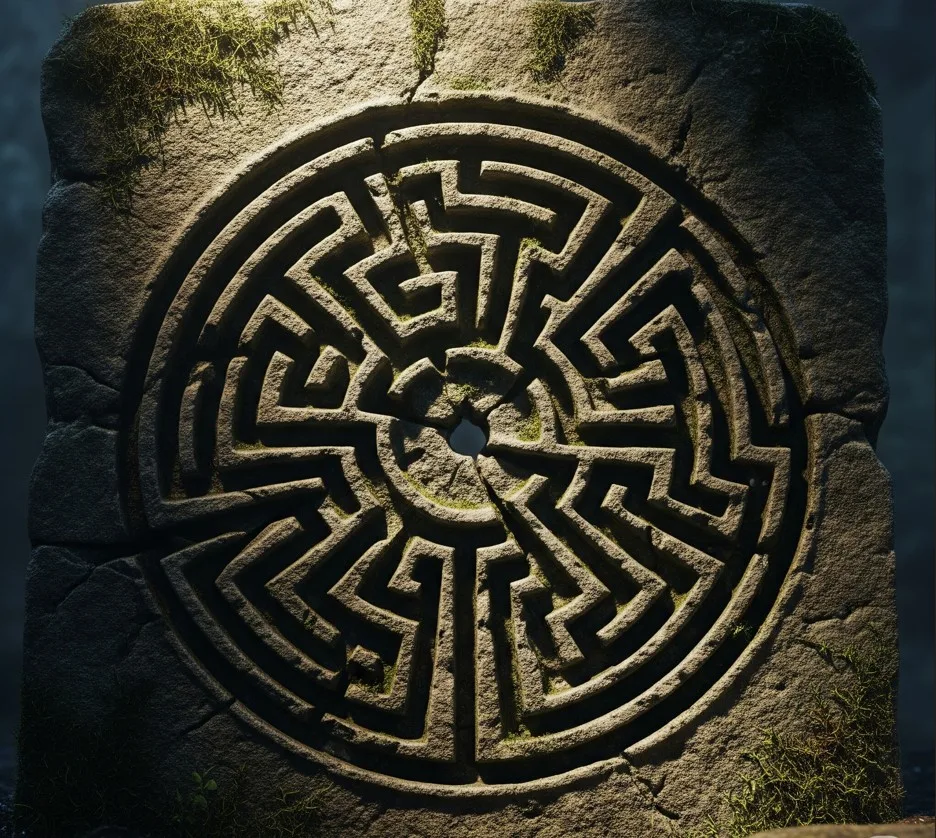
14. The Labyrinth
- Description: A winding path leading toward a center point.
- Symbolism: A spiritual journey inward for reflection, release, and growth. A symbolic form of pilgrimage. The labyrinth represents the journey of the soul, personal transformation, and the path to the center of self-awareness or divine connection. Unlike a maze, a labyrinth has one singular path, reflecting the idea that all journeys lead inward before emerging renewed. The labyrinth can also represent the journey through shadow work—moving inward to face fears and emerging renewed. It is a sacred tool for transformation and self-discovery.
- Origin: The Labyrinth has ancient origins, appearing across cultures as far back as 4000 BCE. The most famous labyrinth is tied to Greek mythology—the Labyrinth of Crete, designed by Daedalus to imprison the Minotaur.
- Use: In witchcraft and spiritual practices, labyrinths are used for meditation, ritual walking, and as a tool for introspection, releasing what no longer serves, and spiritual alignment. Walk or trace labyrinths for meditation and problem-solving. Create or draw a labyrinth for ritual walking to process grief, challenges, or change. Use finger labyrinths for meditation when physical space is limited.
15. The Chalice
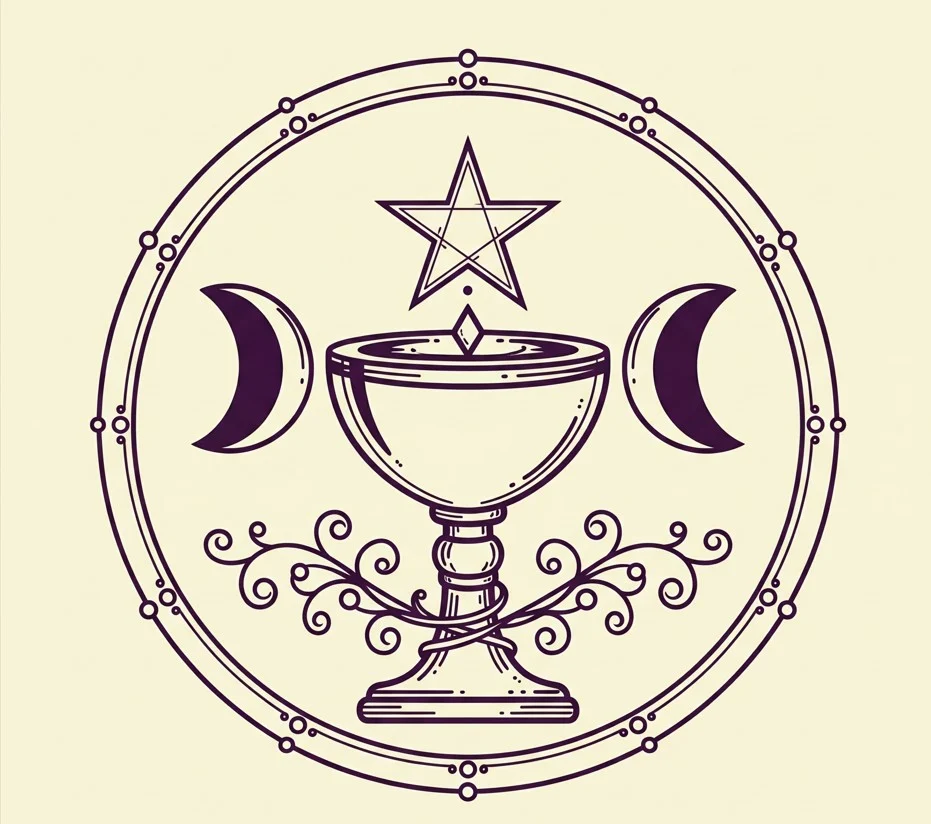
- Description: A cup or goblet, often ornate.
- Symbolism: Symbolizes the divine feminine, the water element, and creation. The chalice represents the element of water, feminine energy, emotions, and intuition. In Wicca and modern witchcraft, it is often associated with the goddess, fertility, and the sacred flow of life.
- Origin: The Chalice is a sacred symbol with deep roots in ancient traditions, including the Grail of Arthurian legends, Christian liturgy, and pre-Christian fertility rites. It can also be traced to pagan cultures as a vessel representing the womb of the divine feminine.
- Use: The chalice is a ritual tool on the altar, often holding water, wine, or offerings during ceremonies. It symbolizes the union of the divine masculine and feminine when paired with an athame (symbol of the masculine). Pair the chalice with a ritual to honor the goddess (like Brigid or Hecate) during Sabbats or full moons. In addition to holding water or wine, the chalice can be filled with:
- Herbal infusions: For spell work or healing rituals.
- Moon-charged water: To honor lunar energy.
- Crystals: For amplifying intentions during ceremonies.
Cross-Cultural Symbolism
Symbols often transcend traditions, appearing in multiple cultures with similar meanings. For example:
- Spirals: Found in Celtic, Indigenous, and ancient art as a symbol of growth and eternity.
- Elements: Earth, Air, Fire, and Water appear in alchemy, witchcraft, and Eastern philosophies.
- Moons: Revered across cultures for their cyclical energy, influencing tides, time, and magic.
When incorporating symbols from other traditions, approach with respect, honor their origins, and seek understanding beyond their surface meaning.
The Foundational Lexicon: Deciphering Witch Symbols and Their Meaning
At the heart of witchcraft lies a symbolic language, where each witch symbol carries a unique resonance and historical weight. Grasping these nuances allows for a more profound and effective integration of these emblems into your practice.
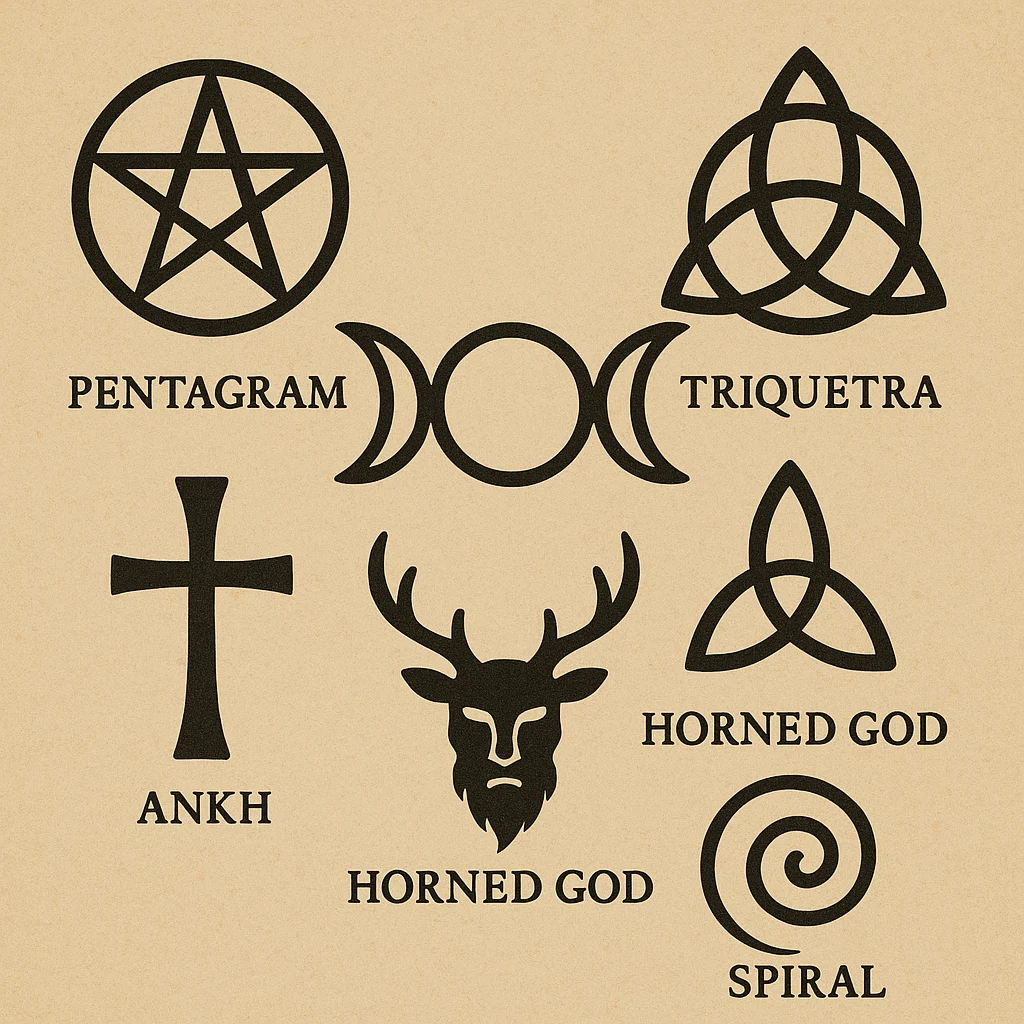
- The Pentagram: Undeniably the most recognizable of all witch symbols, the five-pointed star enclosed within a circle embodies the five classical elements: Earth, Air, Fire, Water, and Spirit. The circle binds these elements together in harmony, representing wholeness, protection, and the cyclical nature of life. It stands as a potent protective witch symbol and a powerful emblem of the self within the universe.
- The Triple Moon: This evocative symbol depicts the three primary phases of the moon: the waxing crescent (Maiden), the full moon (Mother), and the waning crescent (Crone). It represents the Triple Goddess, feminine power, intuition, psychic abilities, and the ever-turning wheel of life, death, and rebirth.
- The Triquetra: Deeply rooted in celtic witch symbols and irish witch symbols, the triquetra features three interconnected arcs or triangles, often within a circle. Its meanings are multifaceted, representing the interconnectedness of the three realms (land, sea, sky), the Triple Goddess, or concepts like mind, body, and soul. It symbolizes unity, eternity, and can also serve as a protective witch symbol.
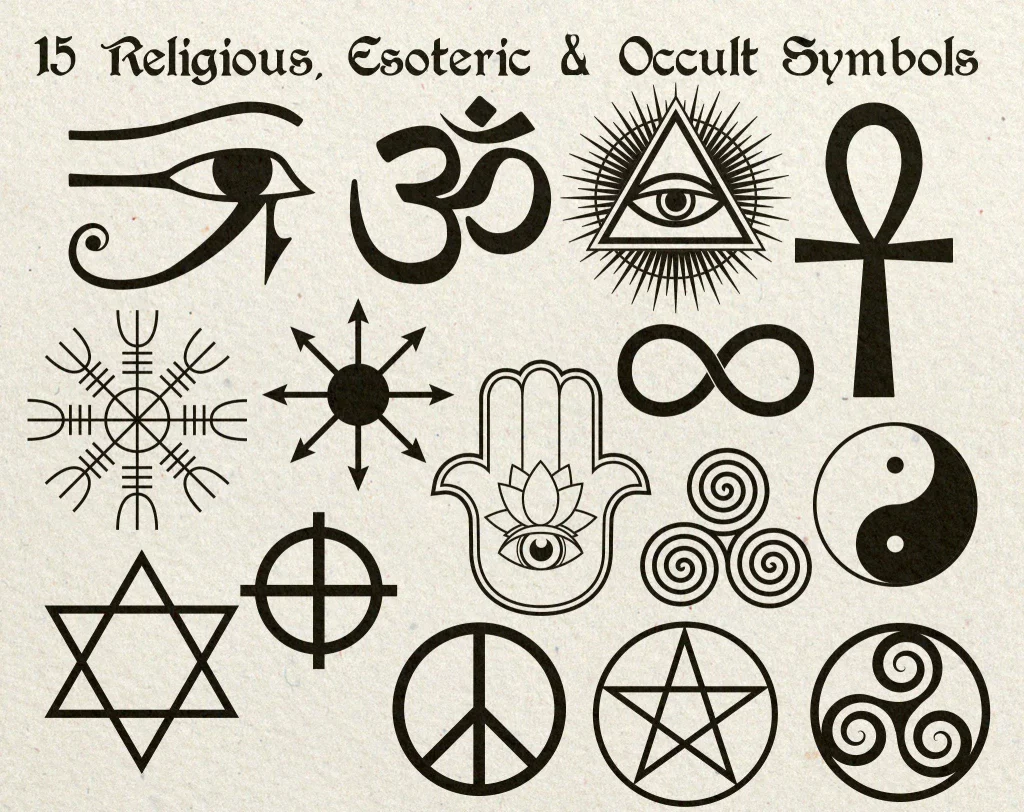
- The Ankh: Originating in ancient Egypt, the ankh, a cross with a loop at the top, symbolizes life, immortality, and spiritual enlightenment. Its adoption by some modern witches reflects a connection to ancient witch symbols and the pursuit of eternal life or spiritual growth.
- The Horned God: Often depicted with antlers or horns, this symbol represents masculine energy, the wild, untamed aspects of nature, fertility, and the cycle of life and death. It is a significant symbol in many pagan witch symbols systems.
- The Spiral: A universal symbol found across numerous cultures, the spiral represents growth, evolution, the journey of life, and the expansion of consciousness. It can symbolize the unfolding of events, the cyclical nature of time, and the connection to the divine.
Intentional Energy: Witch Symbols for Specific Purposes
Witch symbols are not merely decorative; they are potent tools for focusing intention and manifesting desires. Here are some key examples of how they are used:
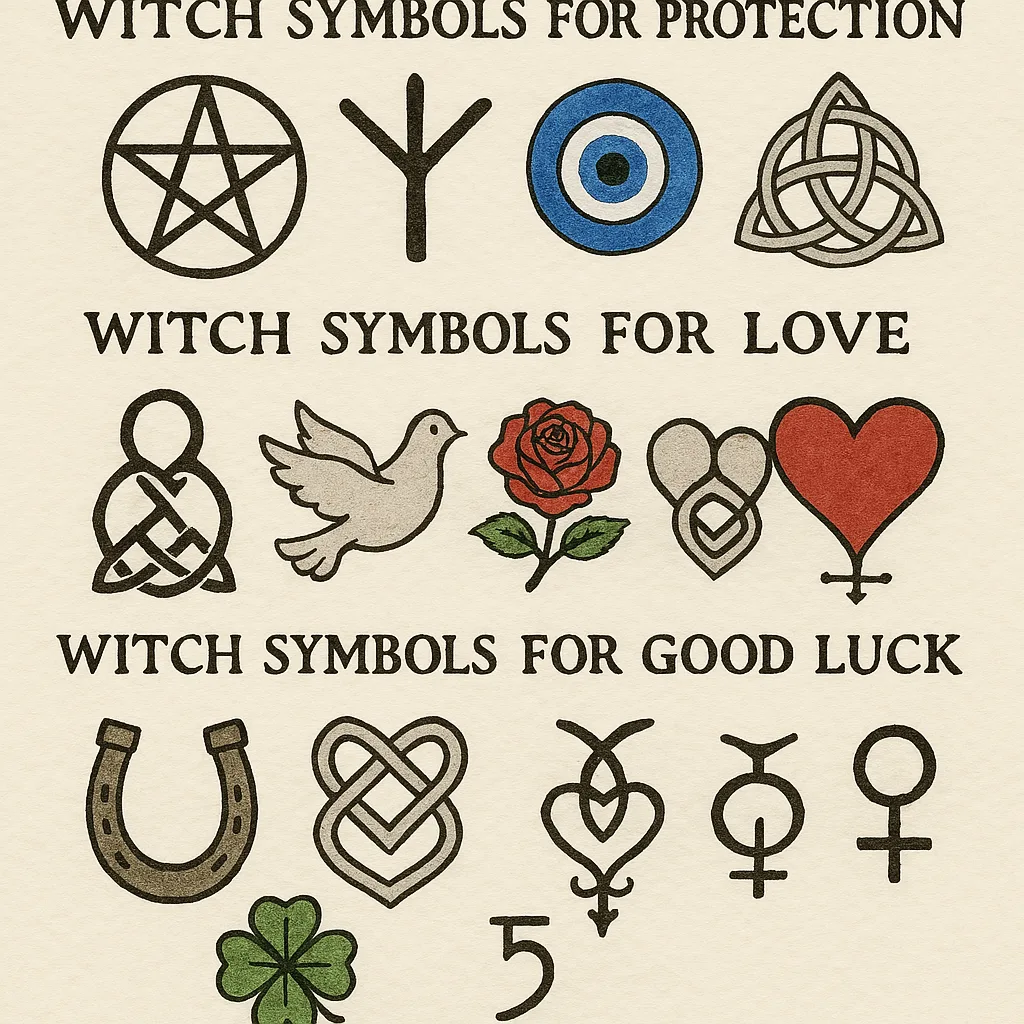
- Witch Symbols for Protection: Beyond the pentagram, other protective witch symbols include the Algiz rune, the evil eye (Nazar), and various knotwork patterns found in celtic witch symbols. These symbols are used to ward off negative energies, psychic attacks, and harmful influences.
- Witch Symbols for Love: To attract or strengthen love, witches may employ symbols associated with Venus, the goddess of love, such as doves, roses, and specific sigils. Intertwined knots and heart shapes can also be used with intention. Specific witchcraft symbols focusing on relationships and harmony can be incorporated into spells and rituals.
- Witch Symbols for Good Luck: Symbols associated with fortune and positive outcomes include the horseshoe, the four-leaf clover, and certain planetary sigils linked to abundance and opportunity. These good witch symbols are often used in charms and talismans.
Exploring Diverse Paths: Variations Across Traditions
The landscape of witchcraft is rich and varied, with different traditions often incorporating their own unique sets of symbols:
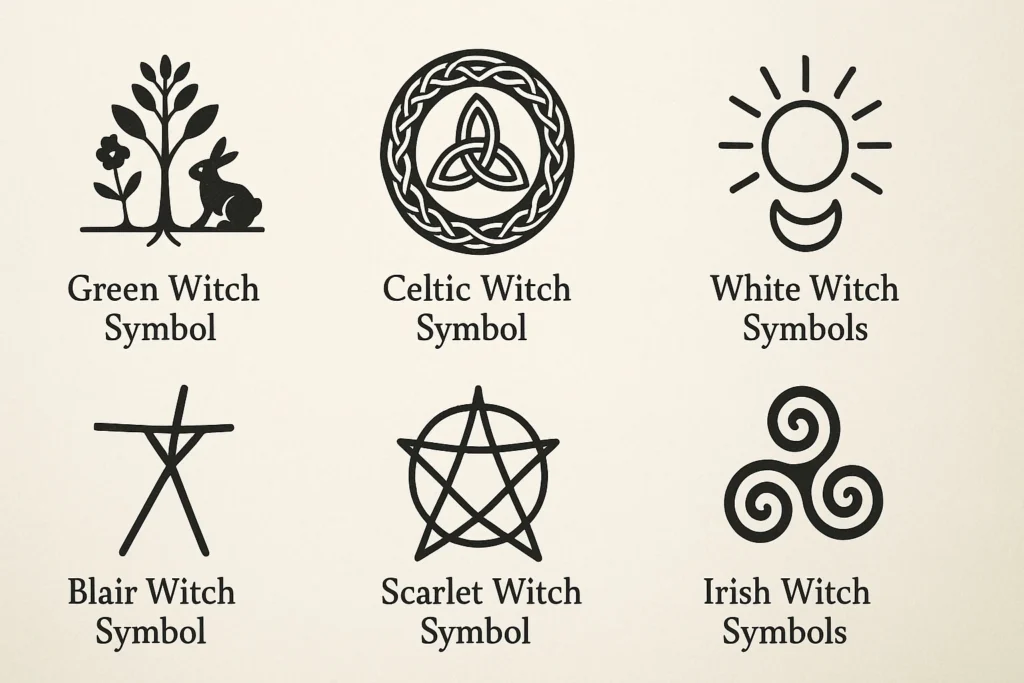
- Green Witch Symbols: Rooted in nature and herbalism, green witch symbols frequently feature representations of plants, trees, leaves, flowers, and animals. These symbols emphasize the connection to the earth, natural cycles, and the power of the green world.
- Celtic Witch Symbols: As previously mentioned, intricate knotwork, spirals, and the triquetra are prominent in celtic witch symbols, reflecting the artistic and spiritual heritage of Celtic cultures. These symbols often represent interconnectedness, eternity, and the cyclical nature of life.
- White Witch Symbols: While the term “white witch” can be interpreted in various ways, symbols often associated with this path emphasize positive energy, healing, light, and benevolent magic. These might include sun symbols, celestial imagery, and symbols of deities associated with healing and protection.
- Blair Witch Symbols: It is crucial to understand that the stick figures and other symbols popularized by the “Blair Witch Project” are fictional creations for the film and do not hold any traditional meaning within witchcraft practices.
- Scarlet Witch Symbol: Similarly, the heptagram-like symbol associated with the Marvel Comics character Scarlet Witch is a fictional design and not a recognized ancient witch symbol or pagan witch symbol.
- Irish Witch Symbols: Overlapping significantly with celtic witch symbols, irish witch symbols often include knotwork, spirals, and specific mythical creatures or patterns unique to Irish folklore and spirituality.
Embarking on Your Symbolic Journey
The world of witch symbols and their meanings is a rich and ever-evolving landscape. By delving into their history, understanding their intentions, and exploring their diverse forms, you can begin to integrate these potent emblems into your own spiritual practice. Whether you choose to adorn yourself with a witch symbols tattoo, incorporate them into your artistic expressions (witch symbols drawings), or simply appreciate their visual language, these symbols offer a powerful connection to the ancient wisdom and magic that lies within and around us. Continue your exploration, trust your intuition, and allow the language of witch symbols to guide you on your path.
The Power of Witch Symbols
Magic symbols or magic spells can be used for many purposes, including healing, protection, divination, and even love. Some people also use magic spells for luck, wealth, and success, but sometimes they can use witch symbols for dangerous things like hurting people and cursing them.
Have you ever wondered why certain witch symbols have so much power? Are you curious about which spells are associated with them and the effects they can have on our lives? Witch symbols have been used for centuries in various cultures and traditions as a means of harnessing the power of the supernatural. These symbols can be found in a wide range of forms, from intricate geometric designs to simple shapes and letters. In this article, we will explore the history and meaning of some of the most popular witch symbols, as well as their uses in modern times.
History of Witch Symbols
Witch symbols – ritual protection symbols or apotropaic marks – have been found in many historic places, from medieval churches and houses to barns, and caves.
The word ‘apotropaic’ comes from the Greek word for averting evil. The marks were usually scribed onto stone or woodwork near a building’s entrance points, particularly doorways, windows and fireplaces, to protect inhabitants and visitors from witches and evil spirits.
They date back to times when belief in witchcraft and the supernatural was widespread. witch symbols and ritual objects were a common part of life from around the 16th century to the early 19th century.
The use of witch symbols in the practice of witchcraft dates back to ancient times. The most recognizable symbol associated with witchcraft is the pentagram, which is a five-pointed star. This symbol has been used for centuries as a representation of the elements, as well as a protection against evil spirits and energies. Other symbols associated with witchcraft include the crescent moon, the crossed broomsticks, the triple goddess, the Eye of Horus, the Ankh, and the owl. These symbols can be used for a variety of magical purposes, such as protection, healing, and divination.
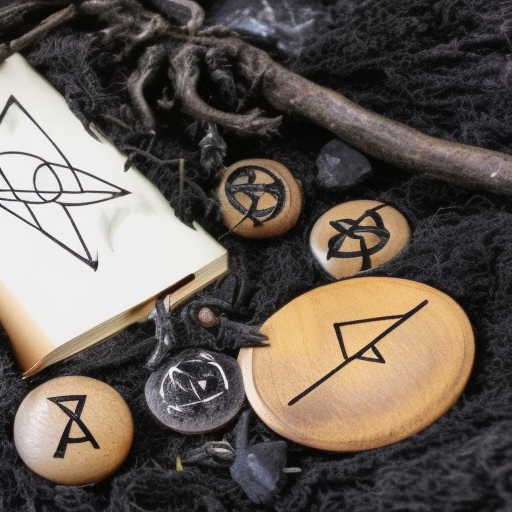
The witch symbols used in modern witchcraft have their origins in a variety of sources, including ancient pagan religions, alchemy, astrology, and folk magic traditions. The most widely recognized symbol is the pentagram, which is a five-pointed star with a single point facing upwards. This symbol is often used to represent the five elements of Earth, Air, Fire, Water, and Spirit. Other symbols commonly used in witchcraft include the crescent moon, the triple moon, the spiral, the ankh, the heart, and the sun. These symbols are often used to represent the divine feminine, fertility, protection, and guidance.
How to Use Witch Symbols in Spells
- Purify yourself before any spell. Before attempting to perform the witch symbols spell, you need to get into the right frame of mind and body and cleanse away any doubts, demons, or spiritual impurities that might distract you or make the spell go awry. Ideally, purifying yourself should be a ritual in and of itself, and should leave your body relaxed and your mind clear.
- Purify your space. If you are going to be working inside, make sure you won’t be disturbed, and tidy up the location where you intend to perform your magic spell. Visualize negative and distracting energies dispersing as you clean.
- Set up a circle or altar. You need a consecrated space to perform your ritual. This can be either a circle to protect you from the interference of negative spirits and energies, an altar to focus your dedication to a specific deity or element, or some combination of these two. You will perform your ritual within the circle or in front of the altar.
- Invoke the divine. Call verbally on a higher power to bless your spell while using ur witch symbols. This can be a general prayer asking for the assistance of some deity or force, or it can be something specific you wrote for this spell. Your invocation can also include gestures, music, dance, or ritually lighting candles or placing objects.
- Recite your incantation. For each spell, write a short verse describing your wish and asking for it to be granted. It doesn’t have to rhyme, but rhymes, alliteration, cadence, and other poetic structures help with focus and memorization. Speak the incantation clearly and confidently while you visualize.
- Seal the deal. A good spell should have some element of “casting off” an item to represent your will going out into the universe. Tear or burn a piece of paper with your wish (or a symbol representing your wish) written on it; toss away a stone or symbolic object; snuff out a candle; or pour out or drink a potion or use witch symbols to have clear spells for what you want
- Use herbs, oils, stones, and natural objects and the most important is the witch symbols. For expert occultists, all these items have some sort of magical significance. Go to your local new age store to pick up materials that will give power to your spells.
- Cosy up to higher powers. Different occultists call on all sorts of different deities and religious figures to work their magic. Find a system of spiritual symbolism that works for you, and invoke those characters in your spells. Just be careful—some of these spirits have ideas of their own and can twist your intentions if you can’t control them.
- Have faith. In the end, casting a witch spell is all about directing your mental energies towards a goal. Whether or not something supernatural occurs because of your spell, stating your goal clearly and in a ritualized way can help you focus, give you confidence, and make you work harder to make it happen. The more you believe in the power of your spell, the more likely it is to have a positive effect on you.
- Pick or create which symbols of your desire and place them on the shell. You can draw your own symbol, or you can look up different symbols that are related to your area of desire (love, family, health, success, and so on). Draw it on the surface of the shell with chalk, charcoal, or something else that will wash off in the water.
- Give thanks and clean up. Say, thank you to any specific deity you invoked. Ground your excess energy by visualizing it flowing into the earth. Undraw your circle, if necessary, and dismantle your altar if you aren’t going to use it again. Gather up your tools and leave the space. Your spell is finished. Consider doing something mundane, like having something to eat, to centre yourself.
What are the curse symbols?
“Curse symbols” typically refer to symbols or signs that are believed to bring bad luck, misfortune, or harm to those who encounter them. Different cultures and belief systems may have their own interpretations of curse symbols. Here are a few examples:
- The Evil Eye: The evil eye is a common curse symbol in many cultures. It’s often depicted as an eye-shaped amulet or symbol and is believed to protect against envious or malevolent glances that can bring harm.
- Pentagram: In some contexts, the pentagram, a five-pointed star, is associated with negative forces or used in dark rituals.
- Hexagram: A six-pointed star, the hexagram, is associated with various meanings, including protective symbolism, but it can also be used in curse-related rituals.
- Swastika: Though originally an ancient symbol with positive connotations in Hinduism and Buddhism, the swastika became infamous due to its association with the Nazis during World War II. In this context, it symbolizes hatred, discrimination, and genocide.
- Inverted Cross: An upside-down Christian cross is sometimes used in anti-Christian or Satanic symbolism.
- Ouroboros: The Ouroboros, a serpent or dragon eating its own tail, is a symbol of cyclical renewal and unity, but it can also have negative connotations in some contexts.
These symbols can vary in meaning and interpretation, so it’s essential to consider the cultural and historical context in which they are used. It’s important to note that the meaning of symbols can change over time and vary between different cultures and belief systems.
Visual Manifestations: Witch Symbols in Various Forms
Witch symbols appear in a multitude of forms, allowing for personal expression and integration into various aspects of life and practice.
- Witch Symbols Tattoo: Choosing a witch symbols tattoo is a deeply personal act, often signifying a commitment to the craft, a connection to specific energies, or a form of personal empowerment. Popular choices include the pentagram, the triple moon, triquetra, and intricate knotwork designs. These witch tattoo symbols serve as permanent reminders and energetic anchors.
- Witch Symbols Drawings: Creating your own witch symbols drawings can be a powerful way to imbue them with your personal energy and intention. These can be used on altars, in spellwork, within journals, or as visual aids during meditation.
- Witch Symbols PNG: For digital applications, witch symbols png files offer the advantage of a transparent background, making them ideal for incorporating into digital art, creating personalized graphics, or using in online communication.
- Witch Symbols Copy and Paste: While directly copying and pasting complex visual symbols can be challenging, understanding the names of these witchy symbols allows for easy searching and digital integration. Having a readily accessible list of symbol names can be helpful for online discussions or personal notes.
Witch Symbols Frequently Asked Questions
Is the triquetra a witch symbol?
The triquetra, also known as the triqueta or Trinity Knot, is a three-pointed knot or symbol with interlocking arcs. It has historical and cultural significance in various contexts and is not inherently a “witch symbol.” The triquetra has been used in a variety of cultures, including Celtic, Norse, and Christian traditions.
In Celtic culture, the triquetra is often associated with themes like eternity, the cycles of life, and the interconnectedness of the earth, water, and sky. It’s used to represent various trinities, such as the Father, Son, and Holy Spirit in Christian symbolism.
While the triquetra may be used in modern witchcraft and pagan practices as a symbol of unity or as part of rituals or spells, it doesn’t have a singular or exclusive association with witchcraft. The interpretation of symbols can vary, and their meaning often depends on the individual or group using them.
So, the triquetra is not exclusively a witch symbol, and its meaning can differ depending on the context in which it is used.
What is the most powerful witch symbol?
The most powerful witch symbol can vary depending on the tradition and the individual practitioner. Many consider the pentacle as one of the most potent due to its protective properties and representation of the elements.
Can witch symbols be combined for greater effect?
Yes, witch symbols can be combined to create more complex spells and rituals. Careful consideration of the energies and intentions associated with each symbol is crucial when combining them.
Do symbols need to be consecrated before use?
In many witchcraft traditions, it’s common to consecrate or charge symbols before use to clear any previous energies and imbue them with the practitioner’s intentions.
Are some symbols exclusive to specific traditions?
Certain symbols may be more commonly associated with specific traditions but many symbols overlap between various forms of paganism and witchcraft.
How can I create my own witch symbol?
Creating your own witch symbol involves focusing on your intention and allowing your intuition to guide the design. The symbol should be unique and meaningful to you.
Is it okay to wear witch symbols as jewelry?
Yes, many witches wear symbols as jewelry not only as a means of protection but also as a way to keep their magical intentions close to them throughout the day.
Incorporating Witch Symbols into Daily Life
For the modern practitioner, incorporating witch symbols into daily life can help maintain a connection with their craft and serve as reminders of their magical intentions. Whether it’s through jewelry, decor, or the simple act of drawing a protection symbol on a notebook, these symbols hold the power to infuse everyday life with magic.
The study and use of witch symbols is a fascinating journey, bridging the gap between the tangible and the intangible, the known and the mystery. Remember to approach these symbols with reverence and an open heart, as they are not just tools but sacred keys to unlocking deeper universal truths.
Final Thoughts
Witch symbols can be seen as bad or good, depending on the context. In some cases, they may be seen as a sign of protection, while in others, they can be seen as a sign of evil like black magic. Ultimately, it is up to the individual to decide what they believe about the use of magic symbols.
In closing, witch symbols serve as a tangible representation of the unseen forces that witches and magical practitioners work with. These symbols are not just decorative; they wield significant power and serve vital roles in the world of magic. By understanding the history, meanings, and uses of these symbols, one can deepen their craft and forge a stronger connection with the energies of the universe.
You have mentioned very interesting points! ps nice web site.
Excellent blog here! Also your website loads up fast! What web host are you using? Can I get your affiliate link to your host? I wish my web site loaded up as fast as yours lol
Pingback: The Dark Ritual: Unveiling the Shadows of Forbidden Practices - Witch symbols
Pingback: Unveiling the Powerful World of Witchcraft Symbols - Witch symbols
Pingback: Unveiling the Dark Mysteries of Santeria Witchcraft: An Exploration of Powerful Rituals and Beliefs - Witch symbols
Pingback: Magic Symbols: What They Actually Do - Witch symbols
Pingback: A Deep Dive into Satanic Symbols and Their Meanings - Witch symbols