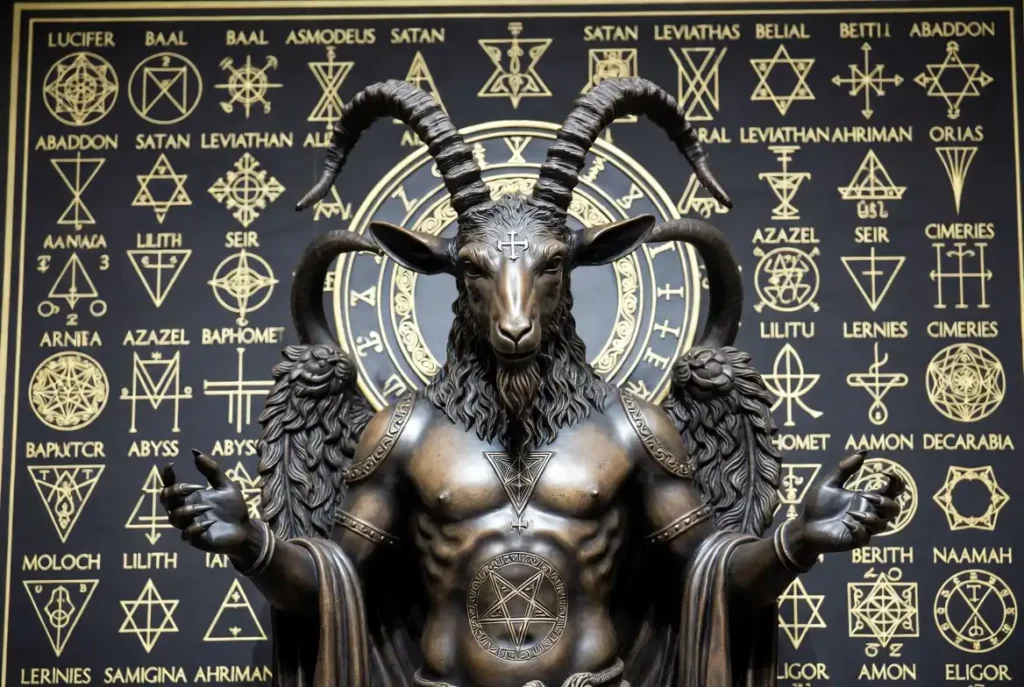
When we talk about Satanic Signs and Their Meaning, we can see that Many symbols labelled “satanic,” such as the inverted pentagram, 666, the upside-down cross, and the all-seeing eye, actually have ancient or Christian origins representing protection, humility, divine providence, or mathematical codes against Roman emperors. Most were only linked to modern Satanism in the 19th–20th centuries by occultists like Éliphas Lévi and Anton LaVey, or later by conspiracy theories, while their original meanings remain entirely diabolic.
Top 10 Satanic Signs and Their Meaning
Satanic symbolism draws on a long occult tradition but is reinterpreted by modern Satanists to express individualism, rebellion and secular values. These signs appear in pop culture and occult literature, though their original meanings may differ. For example, the Church of Satan founder Anton LaVey deliberately adopted certain symbols to represent core Satanic tenets rather than supernatural evil. Below are ten key symbols (“signs”) associated with Satanism, along with their historical context and interpretation from a Satanist/occult perspective.
1. Sigil of Baphomet (Inverted Pentagram with Goat’s Head)
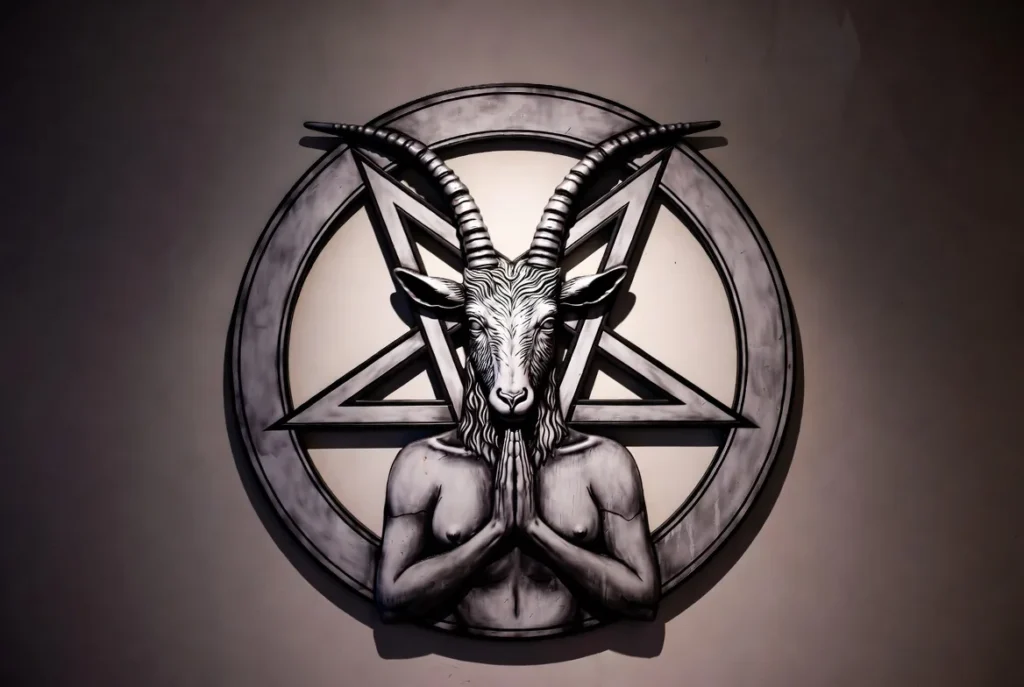
The Sigil of Baphomet – a goat’s head inside an inverted five-pointed star – is the official emblem of the Church of Satan and the most famous “Satanic” symbol. As a graphic, it dates to 1897 but was popularized by LaVey in the 1960s. In Satanist usage, it signifies the material, carnalian aspect of nature. In Eliphas Lévi’s occult philosophy (which influenced this image), an inverted pentagram means “matter over spirit,” representing earthly, carnal values (an idea LaVey embraced). The Hebrew letters around the star spell “Leviathan,” linking it to the biblical sea-serpent. LaVey’s Church called this graphic the Sigil of Baphomet and made it the “foremost symbol of Satanism”, symbolizing iconoclasm and rejection of orthodox spirituality.
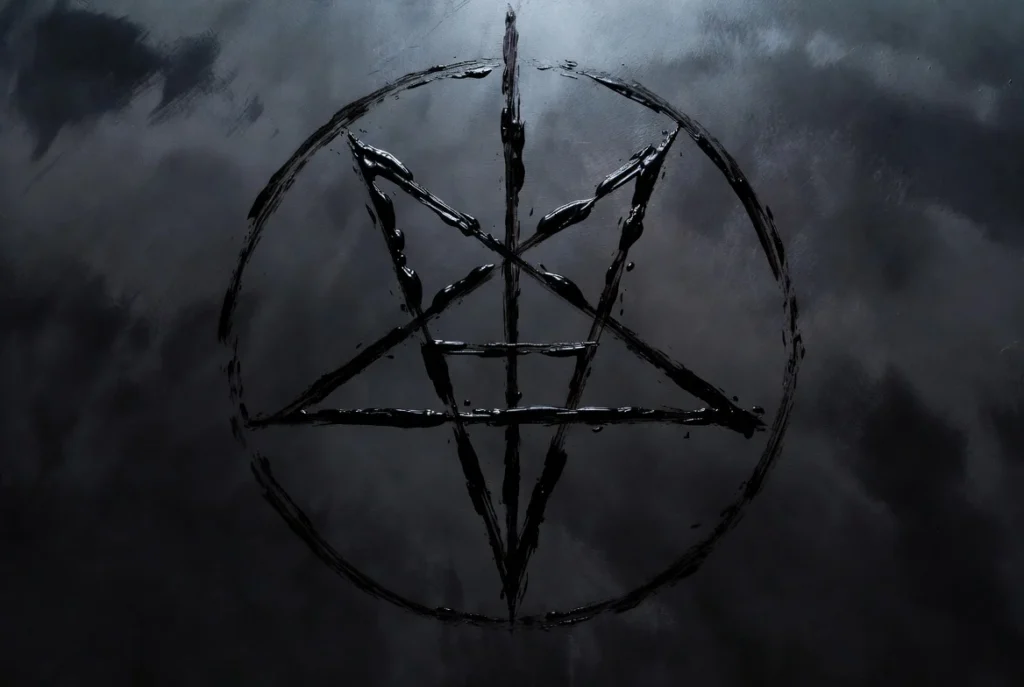
2. Inverted Pentagram (Upside-Down Five-Pointed Star)
Closely related is the plain inverted pentagram (a five-pointed star with two points up). Occultists often contrast this with the upright “Star of Solomon.” For modern Satanists, turning the star upside-down challenges conventional values. In Levi’s system the downward-pointing pentagram became “nothing more than a symbol of iniquity” – matter dominating spirit. Today the inverted pentagram (with or without a goat) is broadly used to express defiance of traditional religion. As one occult guide notes, the inverted star on Baphomet’s forehead “represents Satanic thought, a rejection of conventional norms” – an invitation to question one’s beliefs and authority rather than evil worship.
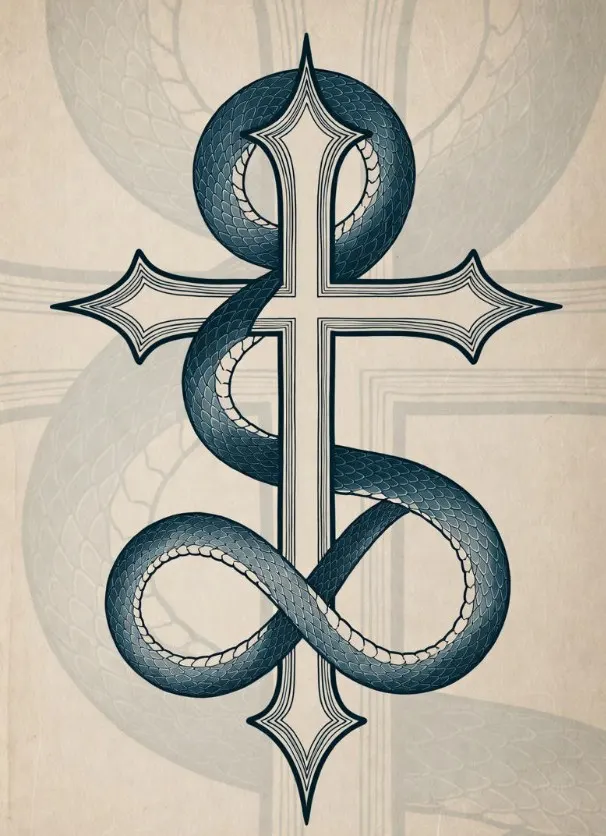
3. Leviathan Cross (Brimstone Symbol)
The Leviathan Cross – a double-barred cross above an infinity loop – was originally an alchemical symbol for brimstone (sulfur). Alchemists used it to represent sulfur’s qualities, and medieval theologians associated brimstone with Hell. In modern Satanism it’s often called the “Satanic Cross.” LaVey adopted the Leviathan Cross (inverted triangle atop a cross) as a symbol of Satanic philosophy. In The Satanic Bible it even appears above the Nine Satanic Statements. Occult writer Eric Chaline notes that this symbol “represents balance between masculine and feminine” as well as brimstone. Satanic authors emphasize its meaning of human autonomy: LaVeyan teaching sees the infinity sign at its base as “emphasiz[ing] the limitless nature of the human experience, rejecting the notion of a higher deity”. In short, it’s a symbol of fiery transformation and individual empowerment in Satanism.
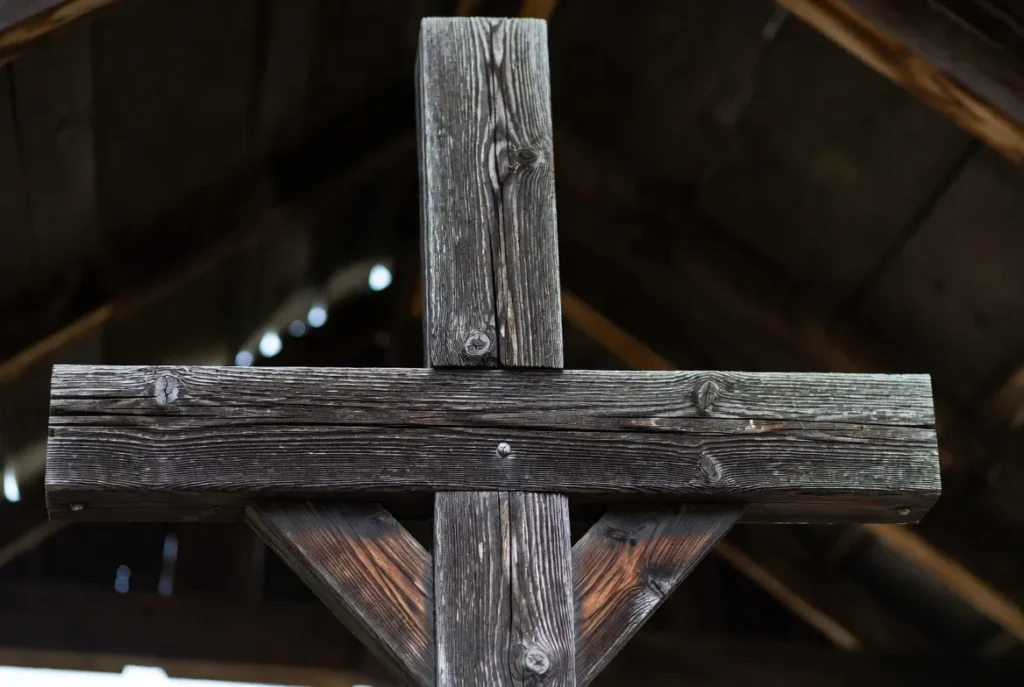
4. Inverted (Upside-Down) Cross
The inverted Latin cross (one end pointing up) is commonly called “Satan’s Cross” by outsiders. However, it actually originated as the Cross of St. Peter, who was crucified upside-down, so it is an ancient Christian symbol of humility. Modern Satanists sometimes use it for shock value: as the Universal Life Church explains, “the inverted cross became a symbol of anti-Christian sentiment and rebellion” over time. Church of Satan FAQ notes that Satanists are free to use any symbol with personal resonance, including the upside-down cross, but they point out that the primary Satanist symbol remains the Baphomet pentagram, not the crucifix. Thus, to most Satanists an inverted cross simply signifies defiance of ecclesiastical authority rather than a literal devotion to evil and evil symbols.
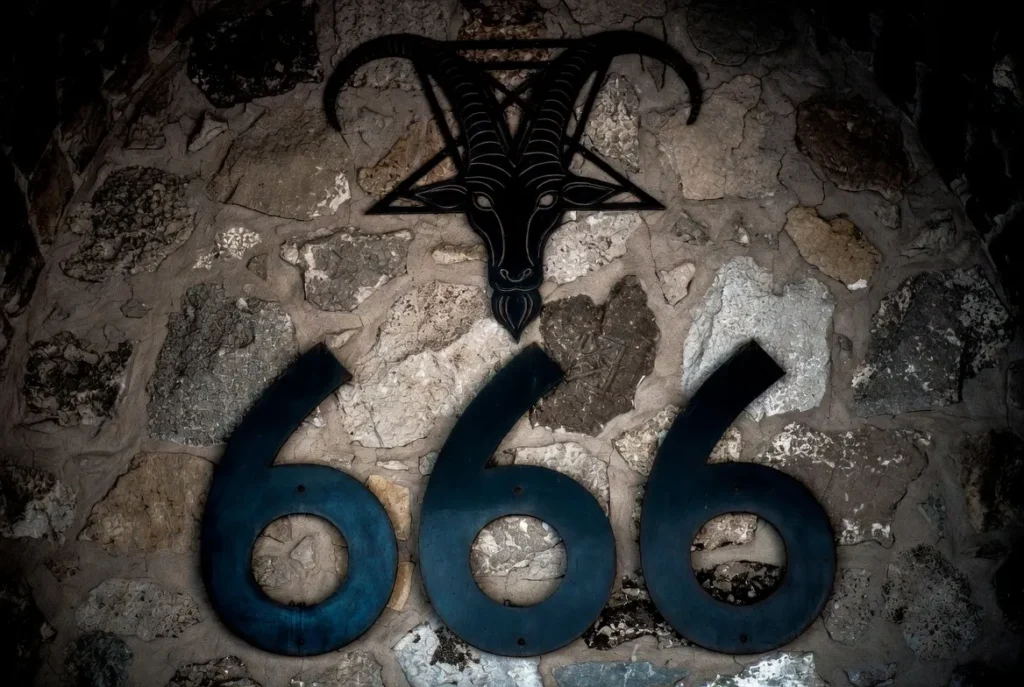
5 . The Number 666 (Number of the Beast)
“666” is the famous biblical number of the Beast from Revelation 13:18, often called the Devil’s number. In popular culture it’s virtually synonymous with Satan. Indeed, “in modern popular culture, 666 has become one of the most widely recognized symbols for the Antichrist or, alternatively, Satanism”. However, LaVeyan Satanists laugh at this superstition.
Church of Satan sources emphasize that “for us Satanists, numbers are just numbers” and that 666 is merely an object of Christian obsession. LaVey even notes it historically encodes Emperor Nero. Satanists will sometimes flaunt 666 ironically (phone numbers, addresses, etc.) purely to provoke the fearful, not because they worship a “beast” symbol. In short, 666’s “Satanic” meaning comes from Christian mythology, not from any internal Satanist doctrine.
6. Sigil of Lucifer (Seal of Satan)
The Sigil of Lucifer (also called the Seal of Satan) is an occult seal first recorded in the 16th-century Grimorium Verum (Grimoire of Truth)
the-demonic-paradise. Graphically it consists of an “X” and inverted triangle atop a “V”-like base, forming an abstract chalice shape. It was meant as a magical emblem for invoking Lucifer’s power. In Satanic usage it symbolizes Lucifer’s role as the “light-bringer” – a symbol of knowledge, enlightenment and rebellion. One practitioner’s guide explains that the sigil witch represents creation and duality (the chalice of fertile darkness, the X for the physical realm, the inverted triangle for water, etc.)
the-demonic-paradise. Modern Satanists adopt the Lucifer sigil as an emblem of the pursuit of wisdom and liberation from dogma. The Universal Life Church notes it stands for “knowledge, enlightenment and rebellion,” reflecting freedom and individualism. It is often worn or invoked to honor Lucifer as the archetype of reason and self-determination.
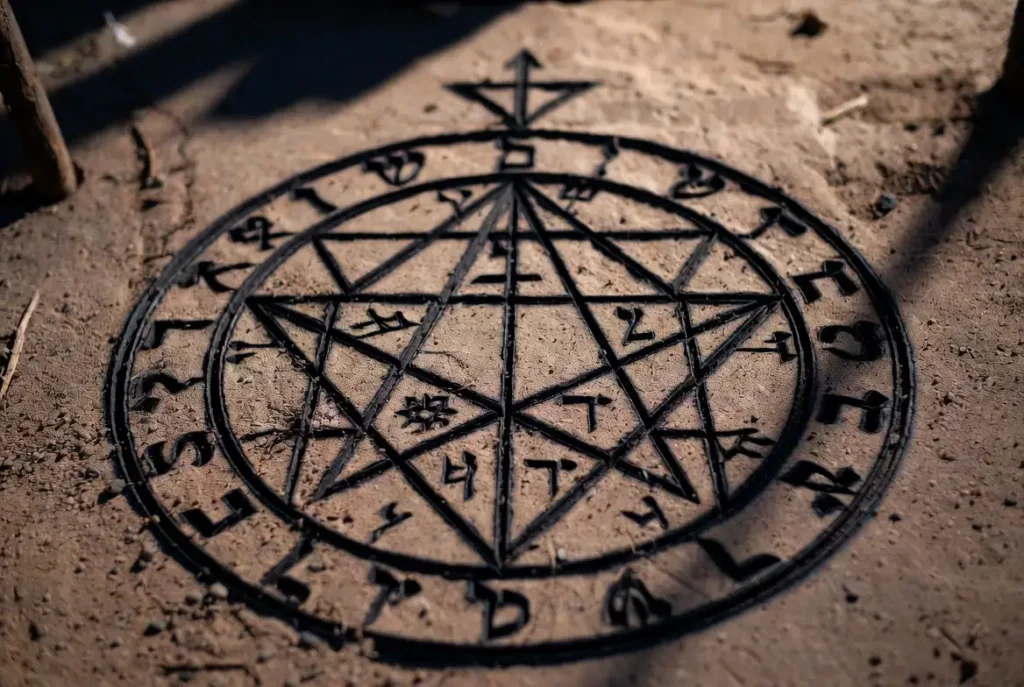
7. Baphomet (Goat-Headed Demon Image)
Baphomet originally referred to a mysterious “temple idol” from Crusader myths, but in 1856 occultist Éliphas Lévi drew the now-classic image of a goat-headed, winged humanoid called the “Sabbatic Goat.” In occult art Baphomet embodies the union of opposites. The Church of Satan later appropriated Lévi’s figure as a satanic idol.
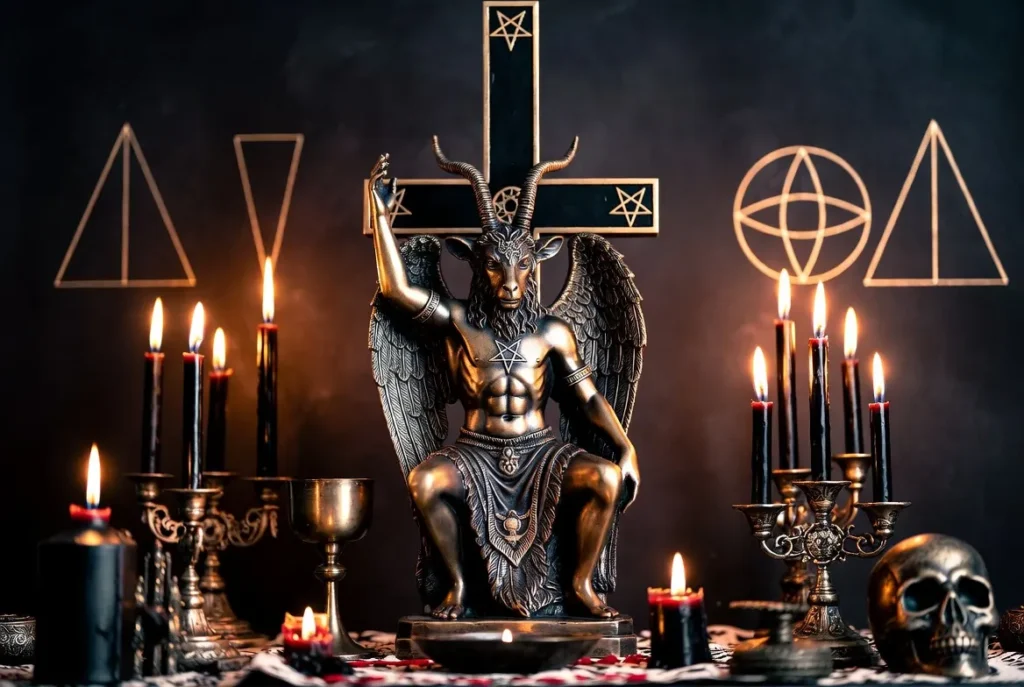
The Satanic Temple’s famous statue shows Baphomet seated, in part to challenge censorship. As Wikipedia notes, “the goat-headed Baphomet image…was not originally created as a Satanic symbol,” but modern Satanists adopt it as a symbol of liberation. The statue’s iconography (winged humanoid with horns, occult symbols on brow, etc.) is meant to be provocative. One description calls Baphomet “a goat-headed, angel-winged humanoid symbol of the occult”. For Satanists today, Baphomet represents the flesh-and-blood reality of nature and reason – a counter-image to religious depictions of Christ.
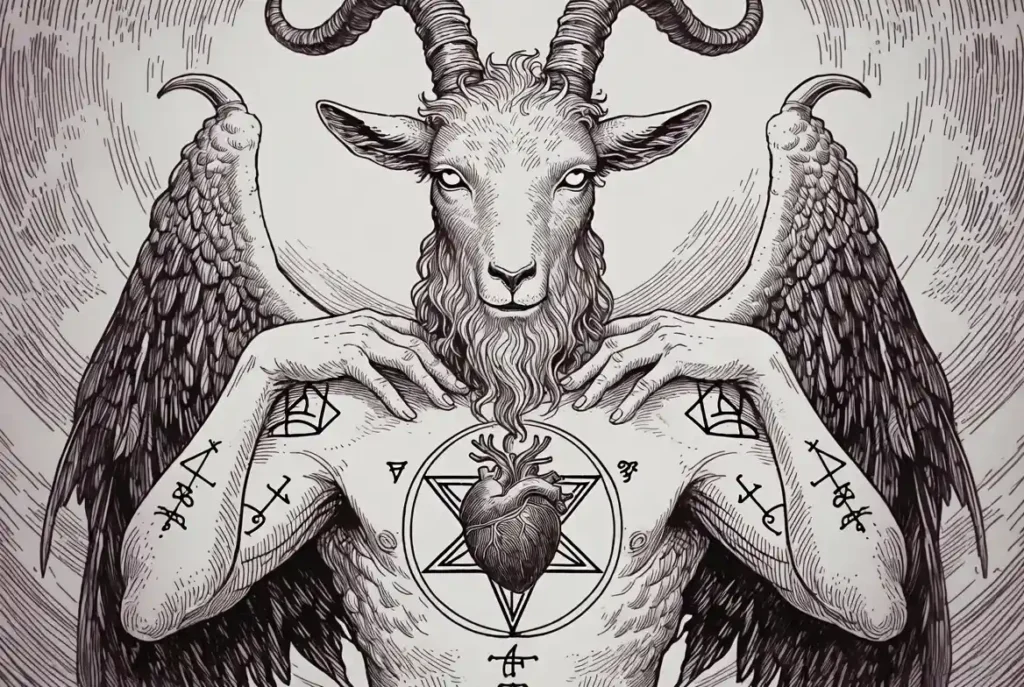
8. Anton LaVey’s High Priest Sigil (Star & Lightning)
Antony LaVey himself created a distinctive symbol for the Church of Satan’s hierarchy. The LaVey High Priest Sigil is a five-pointed star (pentagram) with a lightning bolt superimposed. It first appeared on a pendant for the High Priest of the Church in 1970. The Church’s explanation notes the pentagram was white with a red bolt, the latter inspired by symbols of power (e.g. the RKO Pictures logo). While only officially used by Church insiders, it represents the electrifying power of Satanic office and rebellion. LaVey’s use of a lightning bolt echoes the idea of sudden insight or “power from the ether.” In short, it is a modern sigil signifying the office of the High Priest and the transformative energy of Satanic ritual.
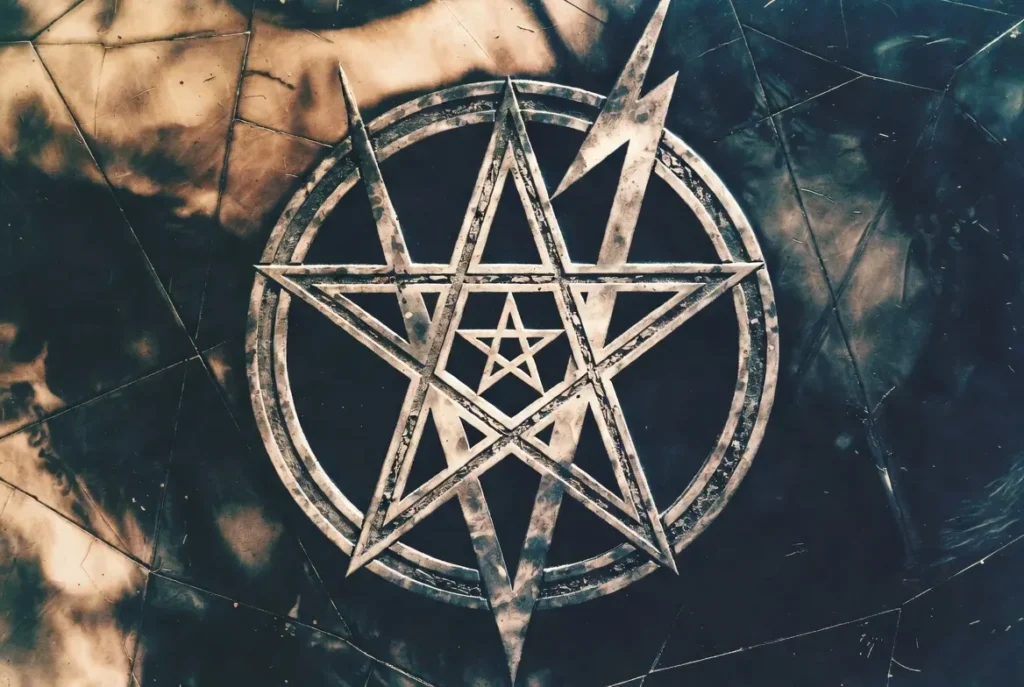
9. Hermetic “As Above, So Below” Salute (Two-Finger Sign)
A more subtle “sign” in Satanic imagery is the two-finger salute seen on many Baphomet statues and in ritual art. One hand is raised with two fingers up (representing the heavens), while the other hand is lowered with two fingers down (the earth). This gesture embodies the Hermetic maxim “As above, so below,” symbolizing the unity of spiritual and material realms. In Satanic philosophy this salute highlights the balance of opposites and the correspondence between macrocosm and microcosm. It reinforces the theme that Satanism values both reason and nature – acknowledging the connection between the divine (intellectual) and mundane worlds. Practitioners interpret this sign as an affirmation of the Satanic worldview that all levels of existence reflect each other.
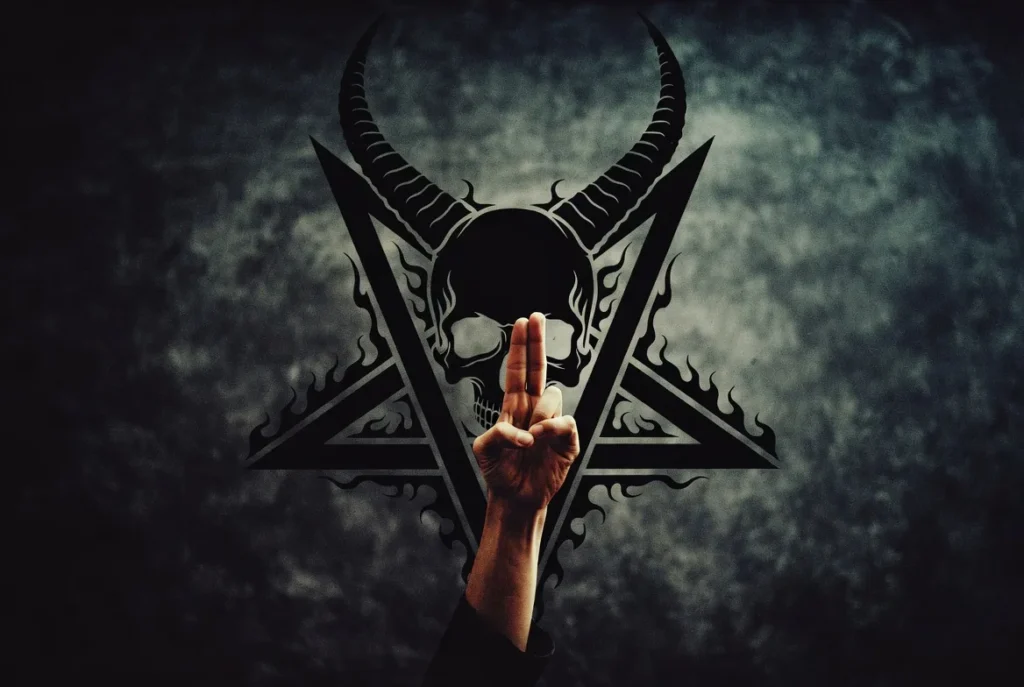
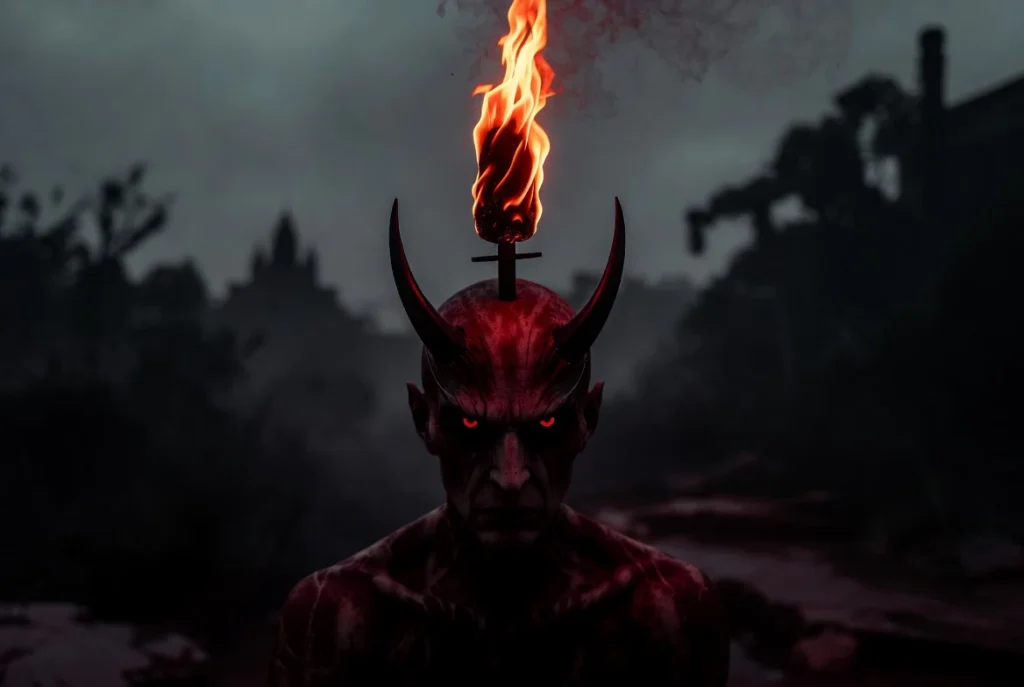
10. Torch Between the Horns (Flame of Knowledge)
On Baphomet statues and in related art one often sees a torch or flame between the goat-horns. This element symbolizes knowledge and enlightenment. As the Universal Life Church article explains, “the torch of knowledge, depicted as a flame shining between the Baphomet’s horns, glorifies the pursuit of intellectual enlightenment”. It represents the Luciferian ideal that light (reason, self-awareness) should pierce darkness. In Satanic interpretation, the burning flame asserts that truth and wisdom come from questioning dogma and using one’s own intellect – a central Satanic tenet. Thus the horned flame is not occult “fire from Hell” but the inner fire of human consciousness raised up against ignorance.
Books on Satanic Symbols:
This is some of the most famous Satanic Books:
Eric Chaline – Symbols of the Occult
Catalogs hundreds of esoteric signs and provides historical background on their development.
Owen Davies – Grimoires: A History of Magic Books
Examines the origins and transmission of many infernal seals, including those attributed to Lucifer.
James R. Lewis – Satanism Today: An Encyclopedia of Religion, Folklore, and Popular Culture
Offers concise entries on modern satanic movements and their associated symbols.
Anton LaVey – The Satanic Bible (1969)
Explains the Church of Satan’s interpretations and uses of its emblematic imagery.
Additional works on occult symbolism
Provide broader context for understanding the sigils, emblems, and visual motifs found within Satanism and related occult traditions.
Pingback: A Deep Dive into Satanic Symbols and Their Meanings - Witch symbols
Pingback: The Hidden Language of Satanic Hand Signs - Witch symbols
Pingback: Demystifying Satanic Rituals: Unveiling the Truth Behind Misconceptions - Witch symbols