

But “How to Stop a Witch?” is more than a guide to counter-magic; it’s a roadmap for reclaiming agency over your life, thoughts, and energy. By weaving together ancient folklore, religious rituals, and modern psychological insights, this article empowers you to erect robust spiritual boundaries, strengthen your inner resilience, and dismantle any negative force—external or internal—that seeks to undermine your well-being.
The other ways to stop a witch are to find where her power drinks — a name whispered into a token, a rooted place, or a secret thread — and guard yourself with old things: a ring of salt, iron set at the four points, and a candle held steady against shadow. Move quietly to sever the link by taking or shattering the charm that anchors her, speak the true-name you’ve learned as you cast your counter-word, then walk the circle clockwise to push the restless thing away; close the rite by burying the broken pieces, sprinkling salt, and letting sunlight and iron keep the doorway shut.

Building Inner Resilience: The Power of Mindset and Self-Belief
True protection begins within. No ritual or talisman can overpower a mind gripped by fear. Psychological research affirms that engaging in intentional rituals and positive affirmations reduces stress, sharpens focus, and fosters emotional stability. Whether your practice involves lunar-phase meditations, herb-infused teas, or simple mirror-work, the very act of committing to ritual instills a sense of control and purpose.
- Mirror Affirmations: Stand before a mirror and declare, “I am my own person; the supernatural does not govern me.” Repeating this daily dismantles fear’s hold.
- Reframing Fear: Remember, “Worrying is praying for what you do not want.” Shift your focus to desired outcomes—visualize light dispelling darkness.
- Empowering Mantras: Reinforce your sovereignty with statements like, “I was born to be free; no external force can dominate me.”
By internalizing these truths, you render external curses impotent. The perceived power of any negative influence only exists insofar as you grant it credence. Cultivate positivity, set healthy boundaries, and avoid toxic environments to maintain a sanctuary of personal strength.
Spiritual and Religious Paths to Protection
Christian Approaches
- Prayer and the Name of Jesus: Invoke divine armor through targeted prayers—plead the blood of Christ against any curse or demonic assignment. Recite Psalms 91:5–6 to claim protection from fear, and Psalm 4:8 for peaceful rest.
- Sacred Symbols: Wear a cross, keep holy water at entryways, and invite a priest to bless your home. Renounce all ties to occult practices (Deuteronomy 7:26) and physically remove any “accursed objects.”
- Breaking Covenants: Verbally cancel unseen covenants, sever soul ties, and declare freedom through spoken decrees, ensuring no spiritual foothold remains.
Islamic Practices
- Quranic Recitations: Daily recite Al-Falaq, An-Naas, and Al-Ikhlaas three times morning and evening. Blow over your body before sleep to seal divine protection.
- Powerful Duʿās: Use “A‘oodhu bi kalimaatillaahit-taammaati…” to seek refuge in Allah’s perfect words. Supplement with “Hasbi Allahu la ilaha illa huwa…” to affirm Divine sufficiency.
- Evil Eye Remedies: If afflicted by ʿAyn, perform ablution, then pour the sacramental water over your head to cleanse and restore spiritual balance.
General Spiritual Techniques
- Grounding & Shielding: Visualize roots extending into the earth, anchoring your energy. Envision a protective bubble of white or golden light that only allows positivity within.
- Salt Baths & Cord Cutting: Soak in a sea salt bath to dispel negativity. Perform cord-cutting meditations, imagining energetic ties to draining people dissolving into light.
Ancient Wisdom: Historical and Folkloric Protection Methods
Apotropaic Objects & Symbols
- Horseshoes & Hagstones: Hang a horseshoe above doorways (points upward to hold luck) and display hagstones in windows to deflect curses.
- Iron Implements: Place iron keys, scissors, or “three-headed nails” at thresholds. Iron’s long-held reputation as a witch-bane makes it a potent talisman.
- Witch Balls & Mirrors: Suspend hollow glass “witch balls” in windows to trap negative intent; use polished mirrors to bounce back any malevolent gaze.
Protective Herbs & Plants
- Rowan (Mountain Ash): Craft tiny rowan crosses for door frames; carry a twig in your pocket.
- St. John’s Wort & Garlic: Hang garlands of St. John’s Wort or braid garlic bulbs to ward off evil spirits and ill will.
- Vervain, Dill & Hazel: Incorporate these herbs into sachets or anointing oils to “hinder witches of their will.”
Concealed Objects & Witch Bottles
- Hidden Rituals: Historic homes hid worn shoes within walls—and horse bones in foundations—to shield inhabitants.
- Sympathetic Magic: Witch bottles filled with urine, pins, and nails were buried or burned, turning malicious magic back upon its caster.
Aggressive Counter-Measures (Folklore)
- Symbolic Retaliation: Folklore recounts pricking a witch’s shadow or burning a lock of their hair to sever the magical link. Though ethically dubious, these tales underscore desperation in the face of perceived supernatural harm.
Conclusions and Recommendations
“How to Stop a Witch?” encompasses far more than fear of curses—it’s a quest to reclaim personal power and inner peace. By integrating:
- Psychological Foundations (rituals, affirmations, belief in one’s sovereignty)
- Spiritual & Religious Frameworks (Christian prayers, Islamic duʿās, universal energy work)
- Historical & Folkloric Tools (apotropaic symbols, protective herbs, sacred objects)
—you forge a multi-layered shield that addresses both the seen and unseen. Remember, the most potent defense arises from within: no external force can harm you unless you allow it. Engage daily in practices that uplift your spirit, surround yourself with supportive communities, and honor your right to safety and serenity. In doing so, you not only stop a “witch” in the literal sense but also banish doubt, fear, and negativity from every corner of your life.

The question “How to Stop a Witch” carries a profound weight, rooted in centuries of human belief, fear, and cultural practice. As a writer dedicated to exploring complex historical and societal phenomena, I recognize the importance of addressing this topic with precision and responsibility. This article delves into the various methods—both historical and contemporary—that people have believed could “stop” a witch or counter perceived malevolent influences. It’s not just about superstition or fear, but about the deep human need to understand, control, and protect against the unknown.
Historical Methods: Legal Punishments and Trials to “Stop” Accused Witches
Throughout history, societies developed a wide array of means to “stop” individuals accused of witchcraft—often driven by fear, ignorance, and a desire for social control. These methods ranged from ancient legal codes to the infamous trials of the Early Modern period.
In the ancient world, fear of sorcery wasn’t dismissed as fantasy—it was law. Civilizations such as the Near East and the Greco-Roman empires treated harmful magic as a criminal offense. The Code of Hammurabi famously prescribed trial by ordeal for spellcasters. In ancient Rome, magic seen as harmful to others could result in exile, torture, or even execution—while magical texts were publicly burned. The Hebrew Bible, perhaps most notably, declared, “thou shalt not suffer a witch to live,” a verse that echoed ominously through centuries of future persecutions.
As time moved into the Medieval and Early Modern periods, witch hunts surged in Europe and Colonial America, fueled by religious dogma, mass hysteria, and the social pressures of famine, war, and plague. Women—especially older, unmarried, or outspoken ones—were disproportionately targeted. The methods used to “stop” witches became increasingly bizarre and brutal, including:
- The Swimming Test: Bound and tossed into water, the accused was judged by whether they floated (guilty) or sank (innocent—possibly to their death).
- The Prayer Test: Any mistake while reciting the Lord’s Prayer was taken as evidence of a pact with the devil.
- The Touch Test: Victims of possession were “cured” when touched by the accused—deemed undeniable proof.
- Witch Cakes: Yes, actual cakes made from urine and ashes, fed to dogs to divine the witch’s identity.
- Witch’s Marks: Natural blemishes or moles were interpreted as physical evidence of demonic ties.
- Pricking and Scratching Tests: Painfully invasive tests, looking for numb areas (where the devil supposedly touched) or drawing blood to “release” the afflicted.
- Charging or Incantation: Accused witches were commanded to break their own spells, publicly and forcefully.
Those found guilty faced often fatal consequences: hanging in England and its colonies, and burning in continental Europe. These episodes reveal more than just superstition—they expose how fear can override reason, and how systems of power can be wielded against the vulnerable.
Folkloric Defenses and Counter-Spells to “Stop” Witchcraft
Outside courtrooms and tribunals, ordinary people turned to folklore and tradition to protect themselves from perceived magical threats. These practices weren’t about official justice, but survival and spiritual safety. Communities developed protective rituals and talismans, blending ancient beliefs with local customs—what scholars call apotropaic magic: actions or items meant to avert harm.
Some key examples include:
- Amulets and Symbols: From ivory wands of ancient Egypt to Greek talismans, people wore sacred objects to ward off the evil eye or curses. In Greece, even spitting on one’s clothing was believed to offer protection.
- St. Brigid’s Crosses (Ireland): Hung above doors and windows, these woven symbols invoked divine protection from fire, illness, and sorcery.
- Witch Bottles: Buried inside walls, these eerie jars—filled with pins, nails, hair, and urine—were believed to trap evil intentions.
- Hagstones: Found near the sea in parts of England, these naturally holed stones were suspended in homes to deflect curses and nightmares.
In Newfoundland folklore, the response to hexes became even more creative:
- Apologizing to the Witch: It was believed that if you wronged someone with magical power, a sincere apology might lift the curse.
- Shooting the Witch’s Heart: A symbolic act where a drawing of a witch was shot to inflict corresponding pain on the real one.
- Frightening the Witch: Some stories describe dramatic actions—like tearing off a roof at dawn—to break a spell through shock and spectacle.
- Boiling Urine: As disturbing as it sounds, this was thought to torture the witch from afar until the curse was lifted.
These folkloric strategies, however strange they may seem now, offered a sense of control and communal solidarity in uncertain times. They reflected not just fear, but a desire for balance and justice—however imagined.

Modern Approaches: Spiritual and Inner Protection to “Stop” Curses
Today, our understanding of “curses” and “witchcraft” often intersects with mental health, personal boundaries, and spiritual belief systems. While accusations of witchcraft may no longer hold legal power in most places, the emotional reality of feeling cursed or oppressed still resonates deeply for many people.
Spiritual and Religious Practices
In many faith traditions, spiritual practices help individuals break perceived negative influences. In Christianity, for example, freedom from curses is emphasized through the power of Christ:
- Proclaiming Freedom: Affirming spiritual liberation through divine promises.
- Confessing Faith: Publicly declaring trust in God.
- Repenting of Sin: Seeking forgiveness for past actions that may be viewed as spiritually “opening doors.”
- Renouncing the Occult: Disavowing prior associations with magic, divination, or unapproved spiritual practices.
- Discarding Accursed Objects: Removing spiritual “clutter” such as tarot decks, Ouija boards, or idols believed to harbor dark energy.
- Prayers of Release: Specific invocations seeking divine protection and generational healing.
These rituals often reflect an internal shift—a reclaiming of power through belief, intention, and identity.
Psychological Effects and Coping Mechanisms
Even in a secular context, the belief in curses can have tangible psychological impacts. Persistent fear, anxiety, or a sense of “being cursed” may trigger symptoms of:
- Stress or depression
- Paranoia
- Obsessive-compulsive tendencies (especially in forms like scrupulosity OCD or magical thinking OCD)
In such cases, the path to healing may involve therapeutic tools like Exposure and Response Prevention (ERP), as well as emotional resilience techniques.
Interestingly, the idea of “stopping a witch” has become a metaphor in modern self-help language—describing how we deal with toxic people, energy vampires, or emotional manipulators. Common techniques include:
- Avoiding Engagement: Refusing to validate negative behaviors or thought patterns.
- Setting Boundaries: Creating emotional “fences” that safeguard your mental energy.
- Practicing Mindfulness: Staying grounded and aware of your reactions.
- Creating Safe Spaces: Designing a sanctuary—physical or emotional—for rest and healing.
- Visualization: Imagining protective light or energy surrounding you to guard against stress or negativity.
- Building Supportive Circles: Surrounding yourself with those who uplift, not drain, your spirit.
These tools demonstrate that while our concept of “witches” may have changed, the human instinct to protect oneself from unseen harm is timeless.
The question of “How to Stop a Witch” is more than a relic of superstition—it’s a window into human history, fear, creativity, and resilience. From the brutal trials of the past to protective folk magic and modern mental wellness strategies, this topic invites us to reflect not only on the past but on how we cope with the unknown today.
A responsible exploration like this one reminds us to learn from history, to empathize with those misunderstood or marginalized, and to replace fear with knowledge. In doing so, we not only avoid repeating past injustices—we also empower ourselves to respond to adversity with wisdom, compassion, and care.
Learn how to effectively stop witch ward off and neutralize dark spellswith our comprehensive guide. Explore proven methods, ancient witches, and modern strategies that will empower you to protect yourself from the supernatural realm. Discover essential tips and precautions to keep in mind, ensuring a safe environment for yourself and loved ones. Don’t let witchcraft intimidate you; take control of your surroundings with our expert advice on thwarting these mystical beings. Dive into this insightful blog post now!
Recognizing Witch in Your Life
One of the first steps in dealing with witchcraft attacks is to recognize when they are happening in your life. Witchcraft attacks can manifest in various ways, and it is important to be able to differentiate them from other challenges or negative influences. Signs of witchcraft attacks may vary from person to person, but common indicators can include unexplained health issues, recurring setbacks or failures, strained relationships, and a general sense of negativity and heaviness in your life.
To identify if you are experiencing witchcraft attacks, it is essential to pay attention to the patterns and recurring themes in your life. Notice any sudden and unexplained changes in your circumstances or experiences. Take note of any unusual actions or behaviors from others towards you, such as excessive criticism, manipulation, or unfounded rumors. Additionally, if you find that your intuition is consistently warning you about certain people or situations, it may be an indication that you are under the influence of witchcraft. By recognizing these signs, you can begin to take steps towards protecting yourself from these attacks.

Identifying the Signs of Witch
Witchcraft, an ancient practice shrouded in mystery and intrigue, may manifest itself in subtle yet distinctive ways. While identifying the signs of witchcraft can be challenging, there are certain indicators that may help you become more aware of its presence. One key sign is a sudden shift in the energy around you. You may feel an unexplained heaviness or an eerie presence that cannot be explained by rational means. Additionally, keep an eye out for unusual coincidences or a string of bad luck that seems to follow you wherever you go.
Another sign to look for is the presence of unexplainable physical sensations. These can include tingling or prickling on your skin, sudden chills, or a feeling of being watched. Pay attention to any recurring dreams or vivid nightmares that may hold symbolic significance. Often, witches communicate their presence through these mysterious realms. Furthermore, objects or symbols associated with witchcraft, such as broomsticks, cauldrons, or pentagrams, appearing consistently in your surroundings may also be a telltale sign.
What types of witches?
When it comes to educating yourself about different types of witches, it is important to understand the diversity within the witchcraft community. Witches come from various cultural backgrounds and belief systems, each with their own unique practices and traditions. By studying and familiarizing yourself with different types of witches, you can broaden your knowledge and cultivate a deeper appreciation for the rich tapestry of witchcraft.
One way to expand your understanding is by delving into the history and origins of different types of witches. This exploration can help you trace the roots of various practices and gain insight into the cultural contexts from which they emerged. From traditional folk witchcraft to Wicca and modern eclectic witchcraft, there are numerous paths to explore. By immersing yourself in both historical texts and contemporary resources, you can gain a better understanding of the beliefs, rituals, and symbols that are associated with each type of witchcraft.
How to Stop Witch
Building a supportive network is crucial when it comes to combating witchcraft. It is important to surround yourself with like-minded individuals who understand and believe in the threat of witchcraft. These individuals can provide you with encouragement, guidance, and comfort as you navigate through the challenges that witchcraft may bring into your life.
When building your network, look for people who have knowledge and experience in dealing with witchcraft. They can offer valuable insights and practical tips on how to protect yourself and ward off negative energies. Seek out support groups, online communities, or local organizations that focus on the study and awareness of witchcraft. Engaging in discussions with others who share similar beliefs and experiences can be empowering and help you gain a better understanding of the dynamics of witchcraft. Remember, you don’t have to face witchcraft alone; together, you can strengthen your defenses and overcome its influence.
Stopping witch spells or any form of spellwork should be approached with caution and responsibility. If you believe someone is using dark magic against you or another individual and you feel threatened or harmed, consider the following steps:
Assessment:
First, evaluate the situation and ensure that the perceived threat is genuine. Misunderstandings or paranoia can sometimes lead to unfounded concerns.
Protection and Cleansing:
Focus on personal protection. You can use protective amulets, crystals, or visualizations to shield yourself from negative energy. Cleansing rituals, such as smudging with sage or using salt water, can help remove negative influences.
Consult a Professional:
If you are convinced that dark magic from a witch is being used against you or someone you know, consider consulting a professional practitioner of magic or a spiritual advisor who is experienced in dealing with such situations.
Legal Action:
If the witch is causing harm and is illegal, such as harassment, stalking, or threats, you should involve law enforcement and take appropriate legal action to protect yourself.
Psychological Support:
If you believe that the perceived threat is primarily psychological or emotional, consider seeking support from a mental health professional who can provide guidance and therapy.
Counter Magic:
In some traditions, practitioners may employ counter magic or protective spells to stop witch. However, using counter magic should be done with caution and responsibility, and it is often best left to experienced practitioners.
It’s important to approach any situation involving dark magic or negative influences with a clear mind, an open heart, and a focus on protection and resolution. Additionally, if you are unsure about the situation, consulting with a knowledgeable professional can provide valuable insights and guidance.
Strengthening Your Mental and Emotional Resilience
Developing strong mental and emotional resilience is crucial in combating the effects of witchcraft. It is important to recognize that witchcraft can have a profound impact on our mindset, emotions, and overall well-being. By strengthening our mental and emotional resilience, we are better equipped to navigate the challenges that may arise from witchcraft.
One way to strengthen our mental and emotional resilience is by engaging in mindfulness and grounding techniques. These practices help us to stay present in the moment and cultivate a sense of calm and stability. Taking a few moments each day to practice deep breathing, meditation, or simply grounding ourselves in nature can help to alleviate the stress and anxiety that may arise from the effects of witchcraft.
Additionally, building a strong support network can greatly contribute to our mental and emotional resilience. Surrounding ourselves with understanding and supportive individuals who can validate our experiences can provide a sense of comfort and strength. Whether it is friends, family, or fellow practitioners, having people who can offer empathy, advice, or even just a listening ear can make a significant difference in our ability to cope with the effects of witchcraft.
Remember, developing and maintaining mental and emotional resilience is an ongoing process. It requires consistent effort and self-care. By practicing mindfulness techniques, seeking support, and prioritizing our mental and emotional well-being, we can strengthen our resilience and better face the challenges that may arise from witchcraft.
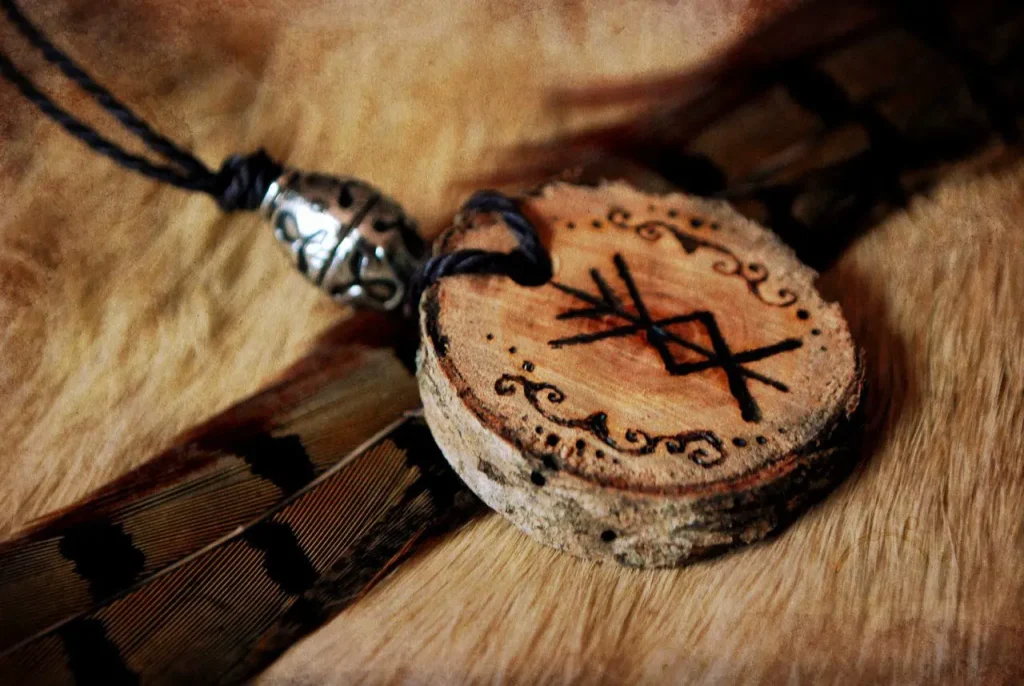
Practicing Self-Care Techniques to Protect Against Witchcraft
Self-care is an essential aspect of protecting yourself against the influence of witchcraft. Engaging in activities that promote your physical, mental, and emotional well-being can help create a sense of balance and resilience. One effective self-care technique is practicing mindfulness, which involves bringing your attention to the present moment and cultivating a non-judgmental awareness of your thoughts and feelings. By incorporating mindfulness into your daily routine, you can become more attuned to any potential negative energies or influences that may be present in your life.
In addition to mindfulness, self-care also involves taking care of your physical health. Engaging in regular exercise, eating a balanced diet, and getting enough sleep are all important factors in maintaining your overall well-being and protecting yourself from negative energy. It’s crucial to remember that practicing self-care is not selfish; in fact, it allows you to build a strong foundation from which to combat witchcraft and its effects. By prioritizing your own well-being, you are better equipped to recognize and address any signs of witchcraft that may be present in your life.
Seeking Professional Help and Guidance
It is important to recognize that seeking professional help and guidance can be a valuable resource when dealing with witchcraft. Professionals such as therapists, counselors, or spiritual advisors can provide guidance and support to navigate the complexities of witchcraft. They have the expertise and knowledge to offer insight and understanding, helping individuals cope with any challenges or fears they may be experiencing.
When seeking professional help, it is crucial to find someone who is knowledgeable about witchcraft and its various aspects. This ensures that they can provide accurate and informed advice, tailored to your specific circumstances. Additionally, professionals can assist in developing coping strategies, addressing any emotional or psychological issues that may arise, and guiding you towards appropriate resources for further support. Remember, seeking professional help and guidance is not a sign of weakness, but rather a proactive step towards empowerment and well-being.