
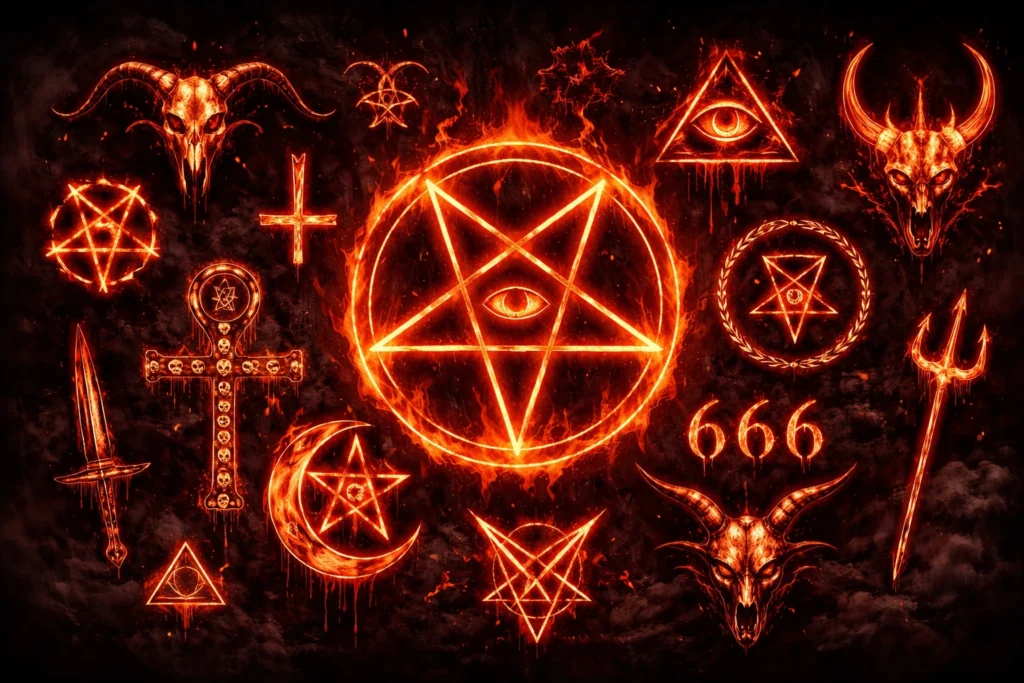
Evil symbols are images and icons that cultures and religions have long associated with wickedness, danger, or the supernatural. Whether it’s a twisted number from the Bible or a star turned upside-down, these symbols carry story-heavy meanings. For example, the number 666 is famously called the “number of the Beast” in the Book of Revelation, and the inverted pentagram (an upside-down five-pointed star) appears in Satanic imagery and satanic symbols. In other words, many so-called evil symbols come straight from religious or mythic traditions – but their meanings often depend on history and context.
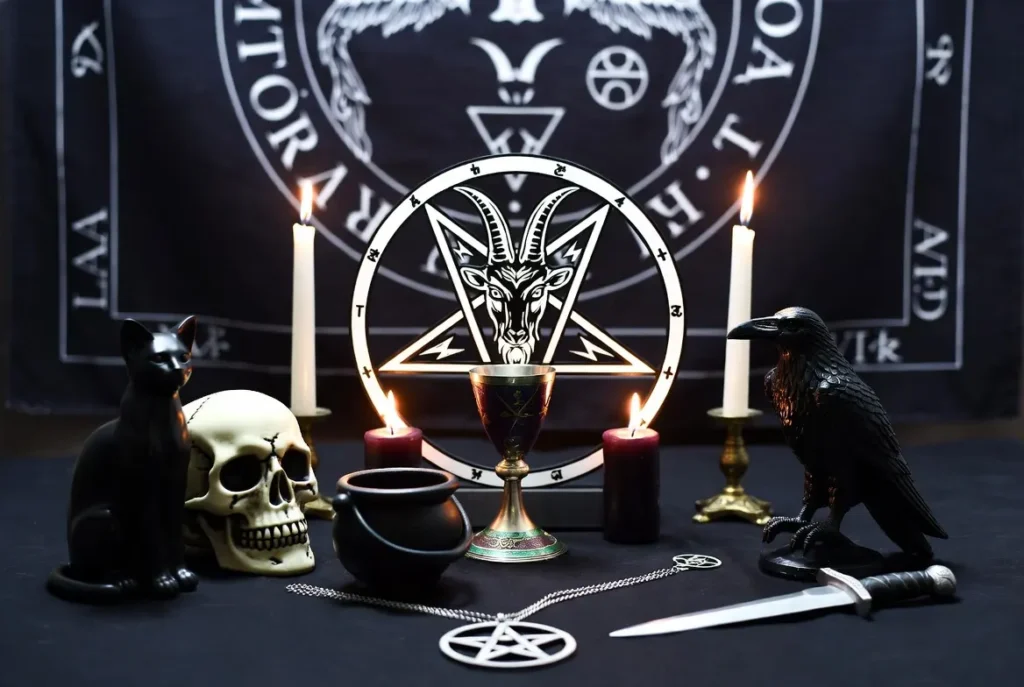
666 – The Number of the Beast
What’s behind the creepy 666? In Christianity, Revelation 13:18 warns of the Beast “whose number is 666” (sometimes also 616). Over time this verse made 666 a shorthand for the Antichrist or Satan. In pop culture you see it as “Devil’s number” on bumper stickers, horror films, or heavy-metal shirts. In fact, Britannica notes that most people now believe 666 signifies the Devil or Antichrist. It’s like a shorthand for ultimate evil – a number that literally turned into a symbol of evil by religious belief and lore.
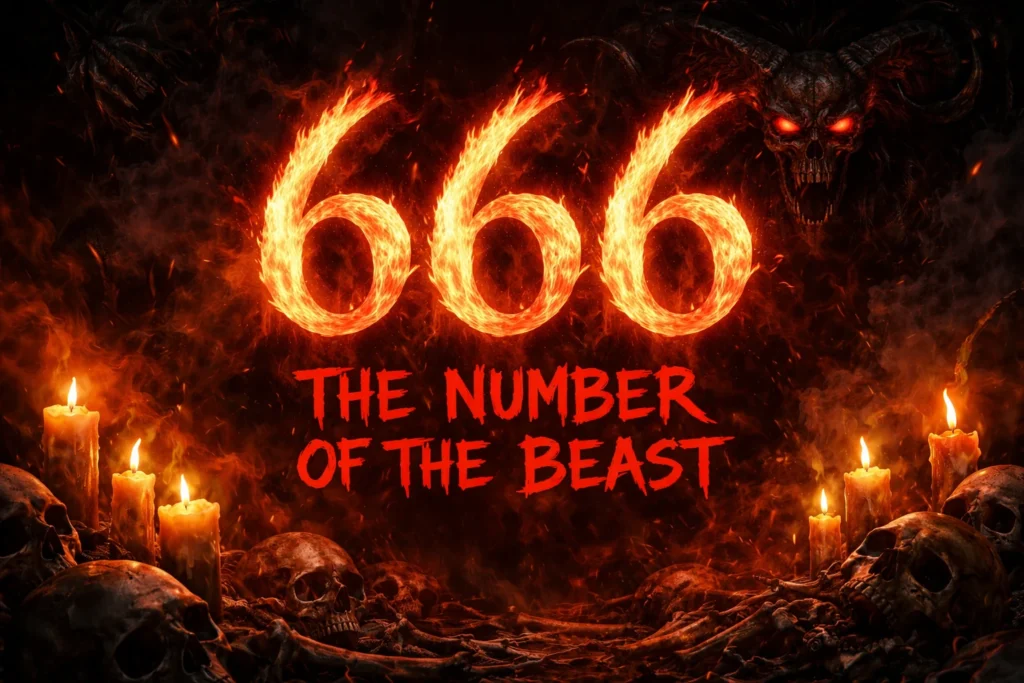
The Inverted Pentagram – Satan’s Star
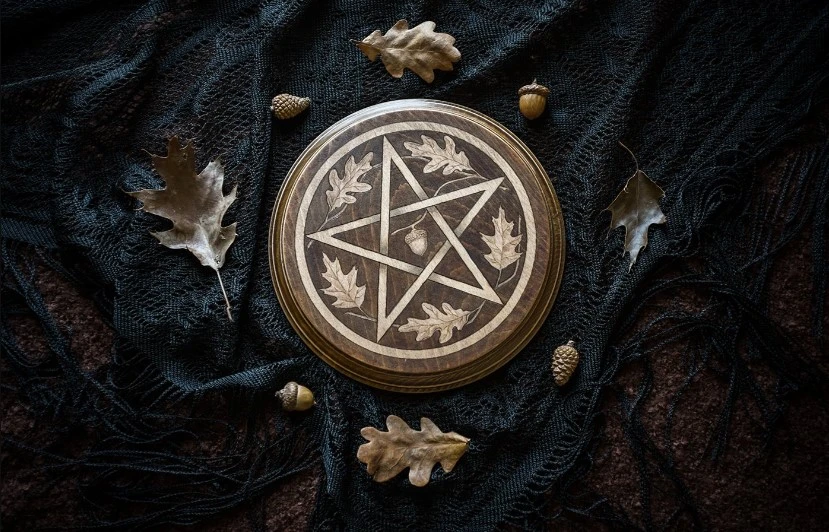
You know that five-point star you learned to draw in school? Turn it upside down (two points up, one down), and it often gets labeled “evil.” Technically called an inverted pentagram, it’s closely tied to modern Satanism. Encyclopædia Britannica explains that a normal pentagram once meant things like protection or the five elements, but flipped it came to symbolize “negative or ‘black’ magic” and devil worship. In fact, the inverted pentagram is central to the Sigil witch of Baphomet – the goat-headed logo of the Church of Satan. So that harmless-looking star literally became “Satan’s star” in recent history, which still sends shivers down many spines today.
The Upside-Down Cross – Humble or Horrific?
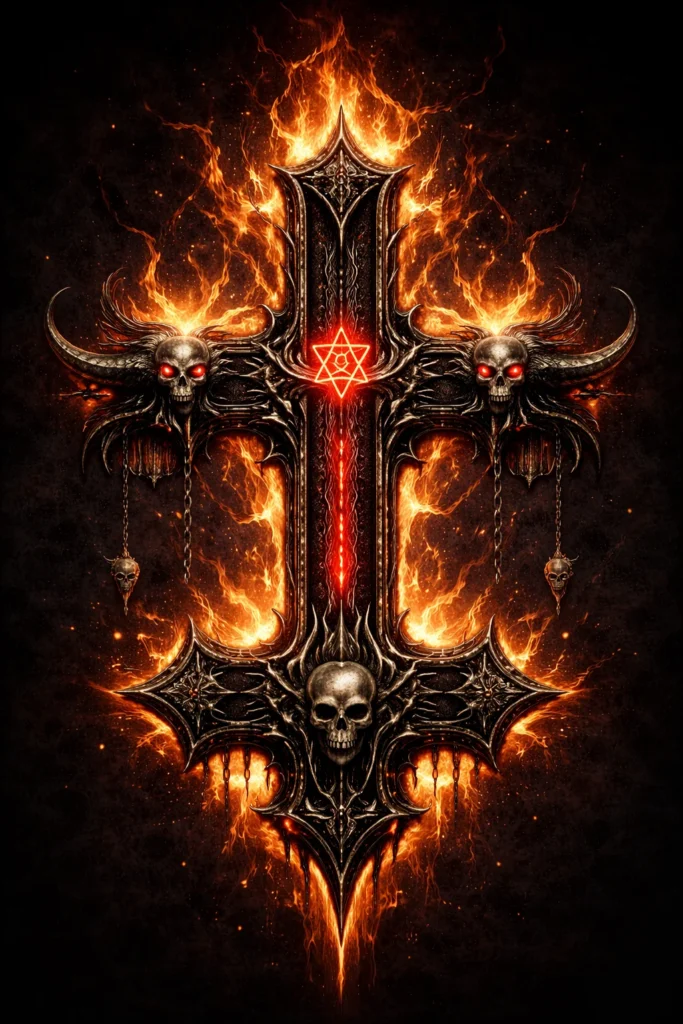
Flip a Christian cross 180 degrees and you get the inverted cross. Originally, this was actually a sacred symbol – it’s known as the Cross of St. Peter. Legend says Peter was crucified upside down out of humility, so Christians for centuries saw the inverted cross as a sign of modesty. But in modern times it’s also used by rebels and Satanists to thumb their nose at Christianity. As one source notes, rock bands and horror movies now often use the upside-down cross to “declare an opposition to Christianity”. In short, the same symbol means two things: humility to some believers, and blasphemous rebellion to others. Funny how perspective works.
The Swastika – From Fortune to Fear
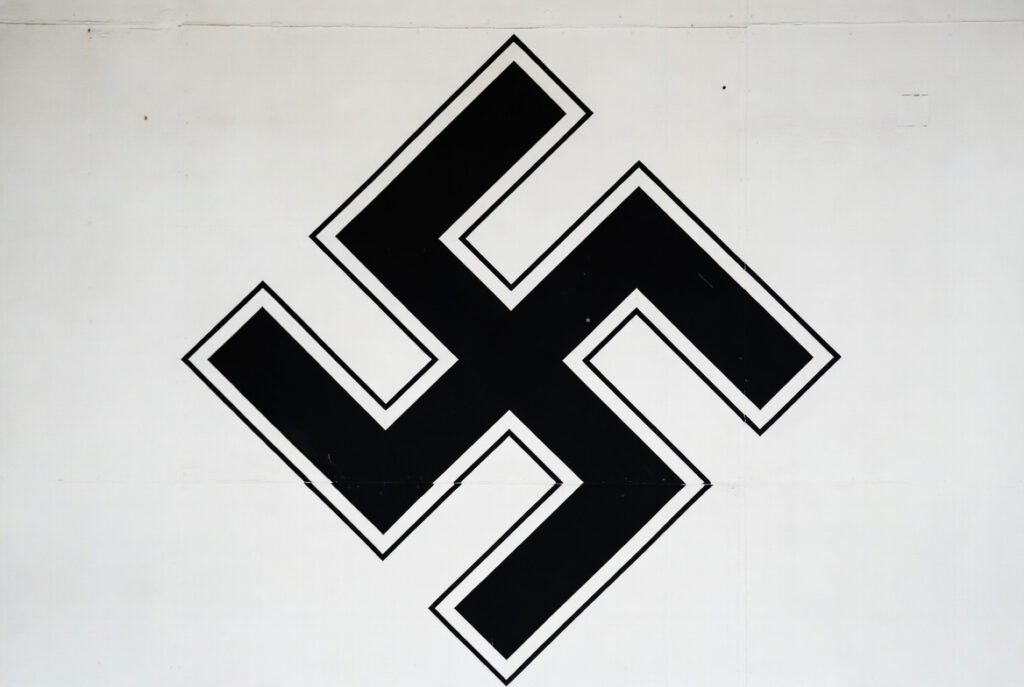
The swastika is a perfect example of a symbol’s meaning flipping over time. For thousands of years it was a positive icon – Sanskrit svastika literally means “good fortune.” It showed up on temples and homes across India, Asia and Europe as a symbol of life and well-being. But when Adolf Hitler “designed the Nazi flag” in 1920, he made the swastika the centerpiece. Instantly it became associated with Aryan supremacy and genocide. Today the swastika is banned in many countries and is one of the world’s most notorious symbols of hate. It’s a chilling reminder: context matters. What once meant luck and sun was co-opted into one of the most feared symbols on Earth.
The Evil Eye – The Curse of the Gaze
Ever caught yourself staring at someone and felt they shot you a dirty look? That’s the idea behind the evil eye. Across many cultures, people believed an envious glare could curse or injure you. It’s not one symbol, but rather the idea of a “malevolent glare” that brings bad luck. For protection, folks started wearing talismans shaped like eyes – the blue “Nazar” beads common in Greece and Turkey are a modern example. Even the Bible and Talmud warn about the evil eye, and it appears in Jewish, Muslim, Hindu, and many folk beliefs. In short, the evil eye represents harmful envy: it’s “the belief in a curse brought about by a malevolent glare”. To ward it off, cultures created charms and rituals – so a symbol of evil (the dangerous stare) turned into a symbol of protection (the amulet).

Voodoo Doll – Folk Magic’s Dark Figurine
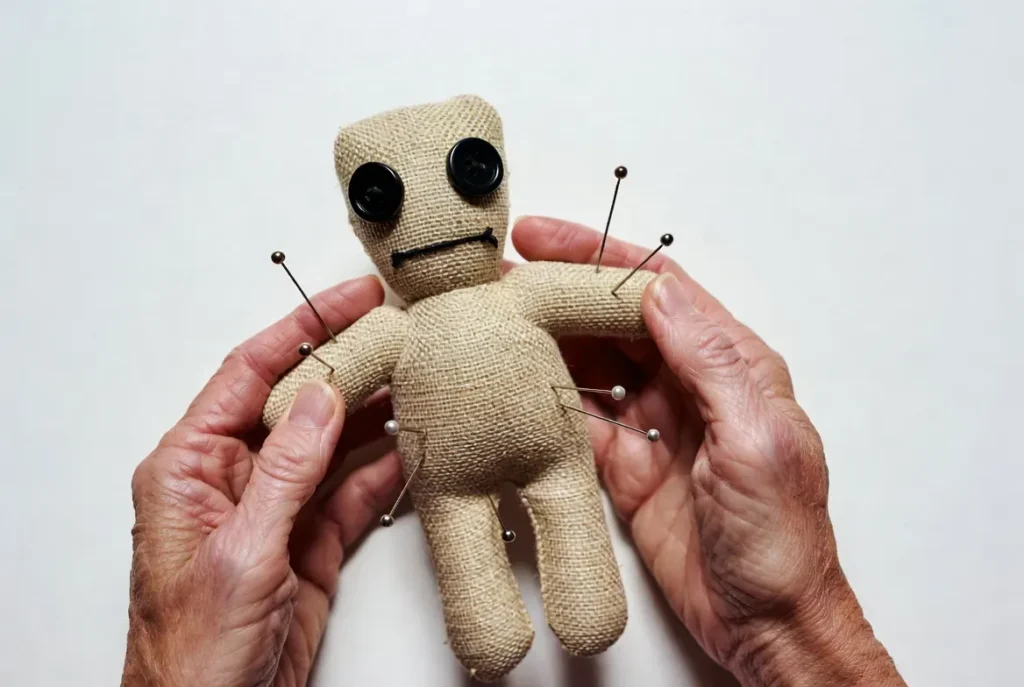
You’ve probably seen a little doll with pins sticking out of it in cartoons – that’s the voodoo doll, another “evil” symbol from religion. In Haitian Vodou (a blend of African and Christian traditions), such dolls can be used in rituals to influence someone’s health or emotions. Symbolically, the doll connects the physical world to the spiritual. Of course, pop culture dramatized it into a curse tool – stick a pin in the doll and ouch, it makes someone else hurt. In reality, Vodou teachings are complex, but the image of the voodoo doll stuck with us. Even Haiti’s own Vodou priests see it as a conduit for intentions. So this tiny rag doll represents a fascinating religious idea (and a little bit of folk horror).
The Serpent – Cunning in the Garden
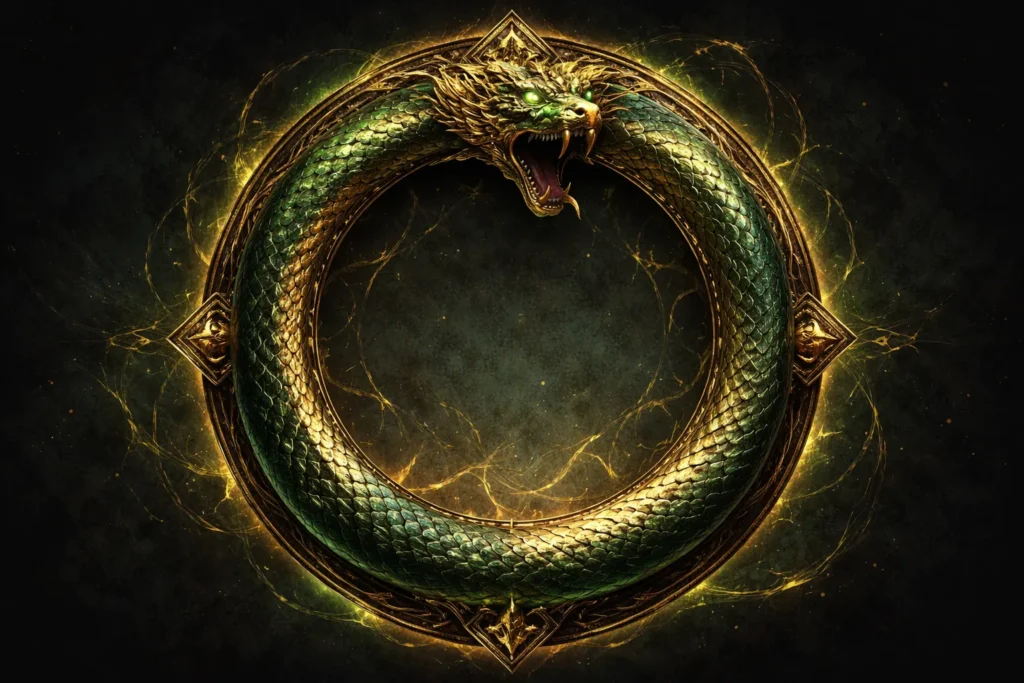
Snakes have slid into almost every mythology, usually wearing a villain’s cape. In the Bible, the serpent is the classic evil tempter – it deceived Eve in Eden, leading humanity into sin. That story made snakes symbols of trickery and sin in Christian art. But snakes aren’t all evil. For instance, the medical symbol (the Rod of Asclepius) actually uses a snake to represent healing. Still, culturally the snake often carries a sinister vibe – sleek, slithering, mysterious. “Venomous” literally came to mean harmful through the serpent’s example. So in religious and mythic meanings, snakes embody dual ideas: betrayal and danger on one hand, rebirth or wisdom (shedding skin, life-force) on the other. Humans have taken the hood off serpents to remind us of life’s temptations – and occasionally, life’s cures.
The Leviathan – Biblical Beast of Chaos
Leviathan sounds like something straight out of a horror movie. In the Bible it’s a gigantic sea creature, often used as a symbol of chaos and evil forces. Job 41 describes Leviathan as a mighty beast created by God but too fearsome for humans to tame. It also appears in Psalms and Isaiah to represent the overwhelming power of God’s enemies. Outside the Bible, “leviathan” became a catch-all for any huge, untamable monster or entity. In political philosophy, Hobbes even named his famous book Leviathan after it. So this ancient monster stands for the dark, destructive side of nature – a reminder that some symbols of evil are literally deep as the ocean.
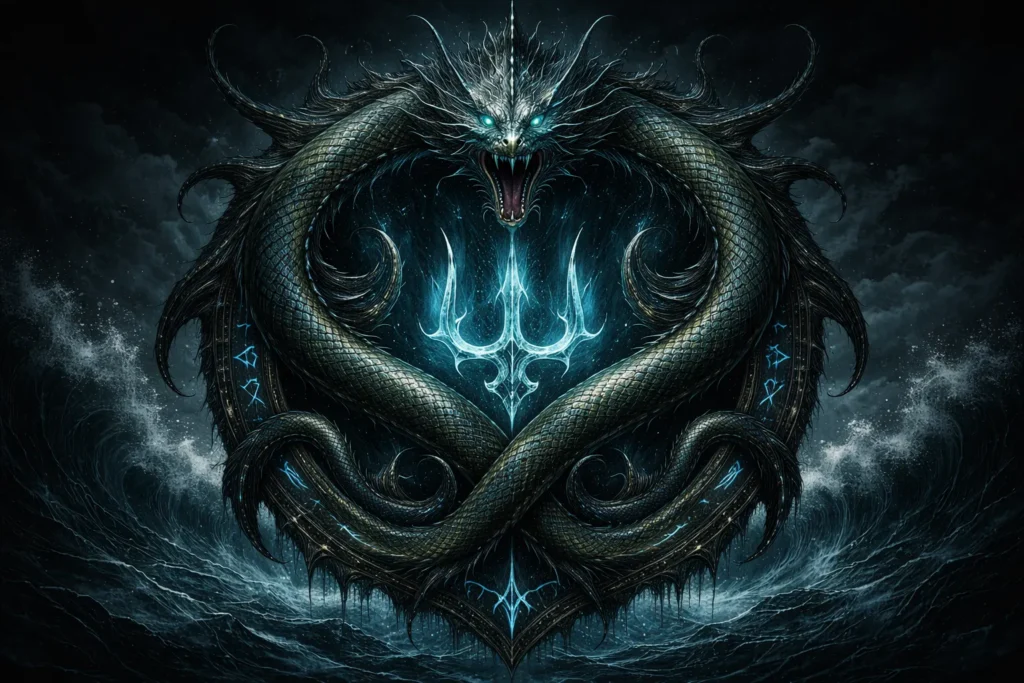
The Raven – Dark Winged Omen
The raven might look just like a big black bird, but in many cultures it’s spooky. Ravens crop up in Norse myths (Odin had two as wise messengers), but more commonly they are associated with death and omens. Edgar Allan Poe’s poem “The Raven” made it a symbol of grief and doom. Crow black plumage and sharp eyes make it the quintessential “bird of ill omen.” Some Native cultures also see the raven as a creator or teacher – showing symbols can have two sides. But in Western pop culture, raven = scary. That’s why you see them at horror movies or on Halloween decorations. They represent a bridge between life and death, a watcher of the underworld.
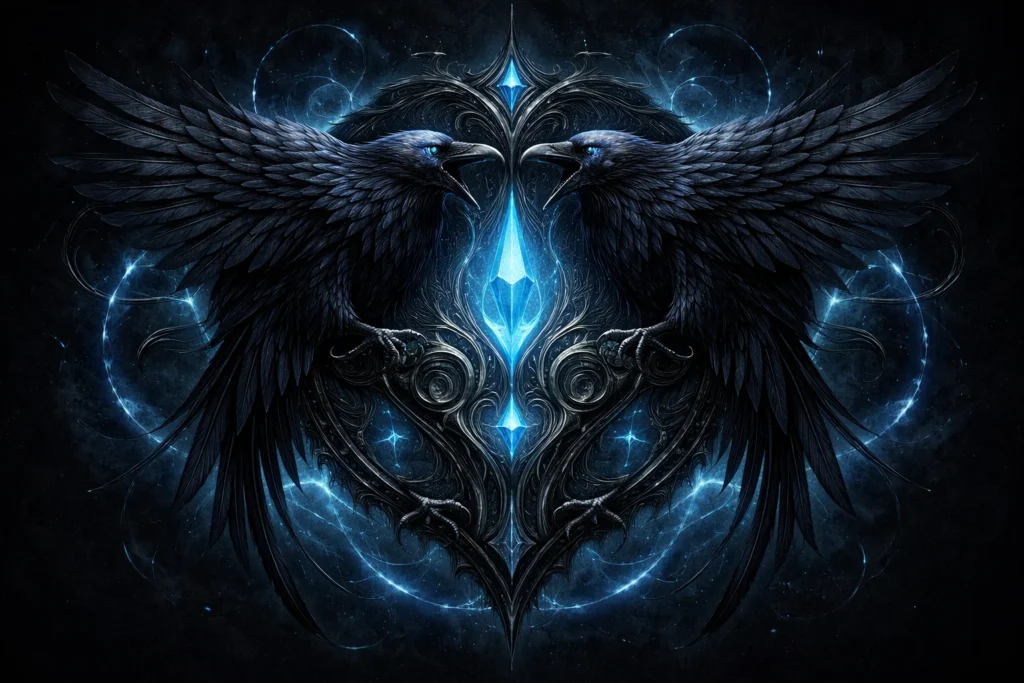
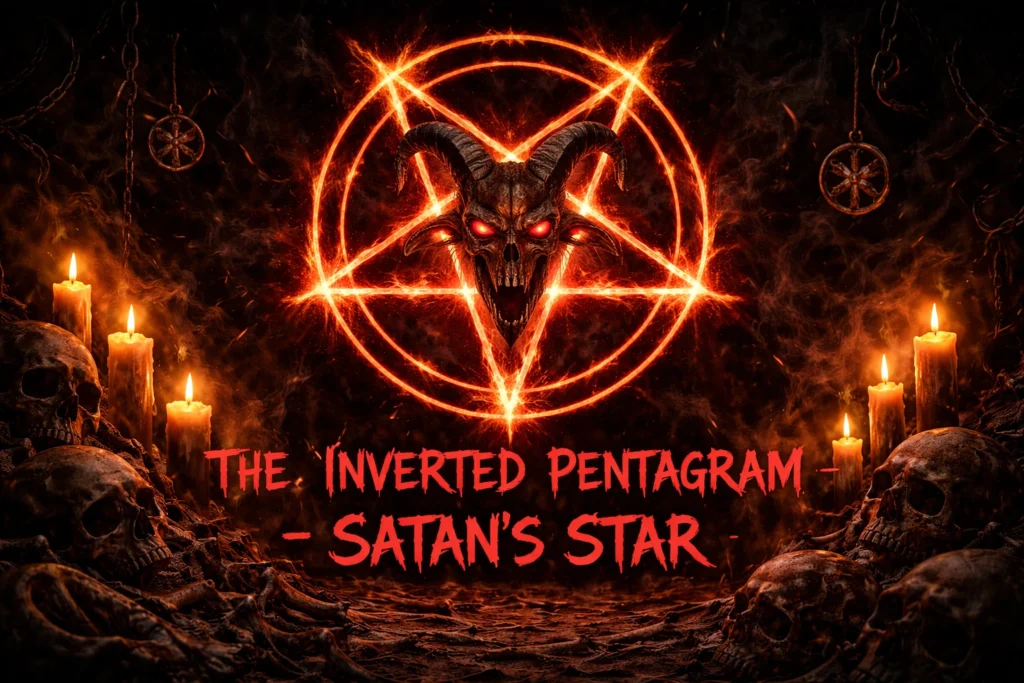
Baphomet – The Occult Goat
The goat-headed figure known as Baphomet is a modern “evil” icon, but its roots are surprisingly layered. 19th-century occultist Éliphas Lévi drew Baphomet as a hermaphroditic goat deity symbolizing balance of opposites. It’s half-man, half-woman, with elements of earth and sky – an allegory for unity of all things. In Christian history, “Baphomet” got tangled with accusations against the Knights Templar, but that’s not well-founded. Nowadays, Baphomet is famous because groups like the Church of Satan use the goat of Mendes image. They even have a statue of a goat-headed entity with children at its feet to make a statement about freedom of belief. In short, Baphomet (often shown inside an inverted pentagram) is an occult symbol meant to challenge tradition, not a cosmic demon.
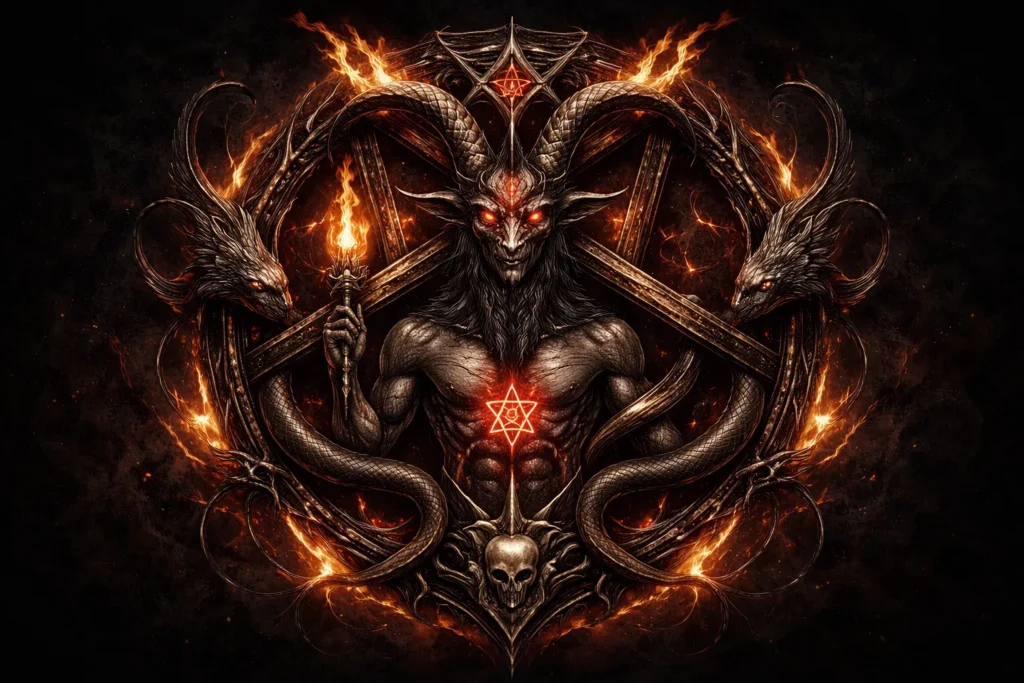
Conclusion: The Power Behind the Symbols
So – are these symbols truly evil? The answer is: it depends. Many grew out of religious stories or beliefs, then got twisted by history or pop culture. The same image can mean one thing in one faith and the opposite in another. What seems scary at first often has a deeper backstory (like St. Peter’s cross of humility!). These symbols remind us how meaning is made: a simple shape or number can carry good luck, or horror, depending on who’s looking. In the end, knowing a symbol’s origin defangs it a bit – and shows that even the darkest symbols often began with surprisingly normal, even positive, ideas.
Sources: Credible sources confirm these interpretations: Biblical numerology and Christian references explain 666’s origin; Britannica traces the pentagram’s shift from protection to “devil worship”; scholarly articles recount St. Peter’s cross and modern Satanic uses; and historical studies detail how the Nazi swastika (once a sacred “good fortune” symbol) became a hate emblem. Citations throughout link to these facts. Each symbol’s story is a reminder that images carry history as much as fear.
Pingback: The Complex World of Satanic Rituals: Practices and Impacts - Witch symbols
Pingback: Voodoo Witches: History, Practices, Spells - Witch symbols
Pingback: The Black Book of Magic - Witch symbols