
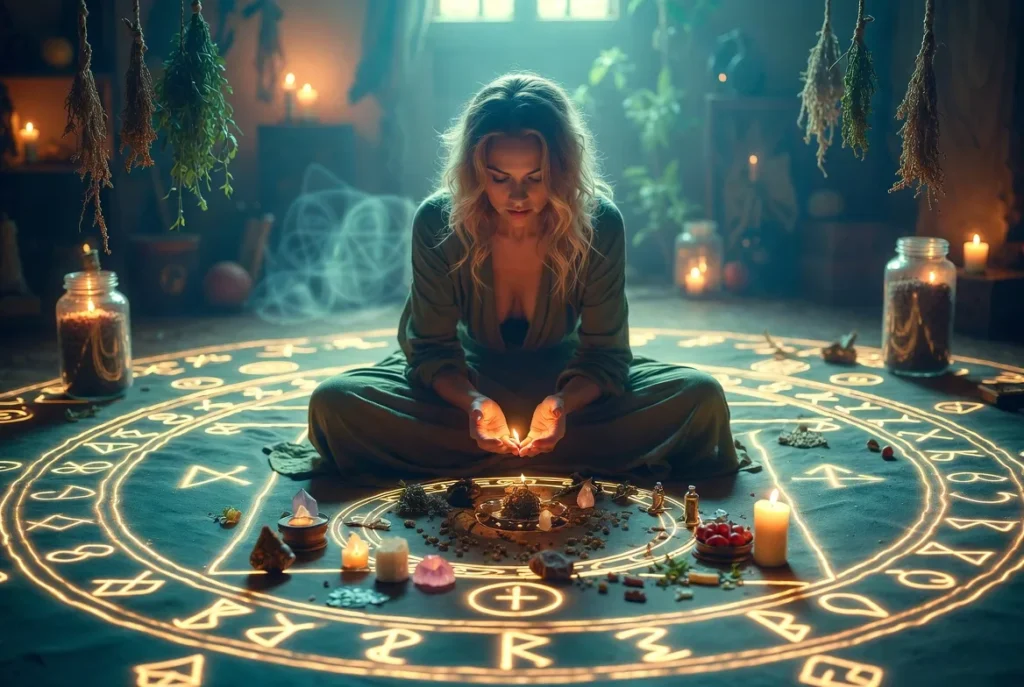
Many people confuse witchcraft with dark magic or evil practices, largely due to fear-based history like the Salem Witch Trials. In reality, modern witchcraft, especially traditions such as Wicca is a peaceful, nature-based spiritual path focused on intention, self-growth, and living in harmony with the natural world.
What is witchcraft?
Witchcraft refers to practices aimed at affecting change through rituals, spells, or communion with unseen energies. Practitioners view it as working with natural forces or the power of intention. In essence, it’s about using focus, ritual, and symbolism (candles, herbs, or meditation) to bring goals into reality. Some scholars describe witchcraft as channeling personal energy to achieve specific ends. In practice, modern witches call this “magic,” but it does not defy the laws of physics – rather, it involves mindset, intention, and tradition.
Witchcraft myths vs reality
separating fact from fiction. We strip away popular myths to reveal the truth. Historians have found that many common beliefs about witches are wrong. For example, the idea that millions died or that all witches worshipped the Devil came from sensationalized sources. As history expert Jonathan Durrant notes, witchcraft was often misunderstood even at the time. Our goal is to compare myth and reality: breaking down sensational claims and showing what research actually tells us about witchcraft.
How did beliefs in witchcraft originate?
Witchcraft beliefs are ancient and arose from attempts to explain misfortune and mystery. People attributed unexplained illnesses, crop failures, or interpersonal conflicts to malicious magic or spirits. Importantly, beliefs vary by culture. The term “witchcraft” covers many different traditions and has no single definition. In some societies it overlaps with religion or healing, while in others it is solely negative. Early anthropologists note that accusations of witchcraft often reflected social tensions, with “witchcraft” being a flexible label for things people feared. In short, witchcraft sprang from folklore, fear, and the human need to find causes for bad events – not from any secret global cult.
How were people accused and tried for witchcraft?
Trials often targeted vulnerable people, and evidence standards were dubious. In practice, accusations sprang from personal vendettas or scapegoating. For example, in early modern England most accused witches were impoverished women living on society’s margins. When trials occurred, verdicts could be harsh but not guaranteed: in England only about 25% of those tried were convicted and executed. Many judges and juries were skeptical and acquitted suspects. Trials relied on superstitious “evidence” like witch marks and forced confessions under torture. In some cases (e.g. Eichstätt, Germany) the tortured accused named dozens of neighbors as witches in turn. This meant witch hunts tended to spread through communities, often causing innocent people to be implicated. (See table below for more myth-vs-fact breakdowns.)
What happened at the Salem Witch Trials?
The Salem trials (1692) are often misremembered. At that time Massachusetts was a British colony, so English laws applied. Out of the dozens accused, a few were executed – all by hanging – and one was pressed to death with stones. Notably, nobody was ever burned at the stake in Salem or elsewhere in America. Most historians agree the accused in Salem probably did not practice any real witchcraft – they were likely victims of mass hysteria, religious extremism, and local rivalries. In short, Salem was driven by fear and rumor, not by any secret magic.
Did the Church instigate the witch hunts?
It’s a complex picture. All major Christian denominations in Europe at the time persecuted witchcraft to some degree. However, no single church invented witch-hunting. For example, the Spanish Inquisition – famous for brutality – actually executed very few people for witchcraft. Catholic, Protestant and Anglican states all had witch laws. In practice, local courts (sometimes secular, sometimes religious) handled trials. In England and some Protestant regions, secular courts did the prosecutions. In other places (like Italy or Spain) the Inquisition had a role, but evidence shows they often regarded witchcraft as a minor superstition and burned almost nobody. So while religion motivated many hunts, witch-hunting was a pan-European phenomenon, not the work of one church alone.
Were all accused witches women?
Myth: Witches were only women. Reality: In Europe about 80–90% of those convicted were women, so most “witches” were indeed female. However, this was not absolute. In some areas, especially Russia and parts of Scandinavia, a majority of suspects were men. (Cultural views on gender shaped these cases.) Even in Europe, men were sometimes tried as “sorcerers” rather than witches, and a minority of the victims were men. The key point: accusations often preyed on marginalized people (old women, healers, disfavored neighbors), but men were also vulnerable depending on time and place.
Did millions of people die in witch hunts?
Myth: “Nine million” witches burned. Reality: Modern scholarship finds these figures wildly exaggerated. During the 15th–18th centuries an estimated 30,000–60,000 people were executed for witchcraft in all of Europe. Other experts, like historian Dr. Jonathan Durrant, put the number around 50,000. Most victims were indeed women, but the total number is closer to tens of thousands, not millions. The “nine million” figure came from a 20th-century fiction writer and is not based on records. In fact, England – often cited in myths – tried only about 2,000 people for witchcraft over centuries. Put simply, witch hunts were deadly but on a much smaller scale than legend suggests.
Were witches burned at the stake?
Myth: Burning at the stake was common. Reality: It depends on the country. In England and its colonies, accused witches were hanged, not burned. In those areas, burning bodies (after execution) happened, but witches themselves were first strangled. For example, accused witches in England’s American colonies were hung. In Scotland and parts of mainland Europe, burning was used more often: Scots often strangled witches then burned the corpses. Still, many American myths about burning (from movies or word-of-mouth) are wrong – colonial America never burned anyone for witchcraft.
Were witches followers of a secret pagan cult?
Myth: They worshipped a hidden fertility goddess cult. Reality: This idea comes from an early 20th-century theory by Margaret Murray, but historians now reject it. There is no evidence that early modern “witches” belonged to a continuous organized pagan cult. Trials show accused witches were ordinary Christians in their communities, not members of a real coven. The witch-cult theory was debunked almost immediately by researchers. In short, no secret pagan religion was found among real witches during the persecutions.
What is Wicca and how does it relate to witchcraft?
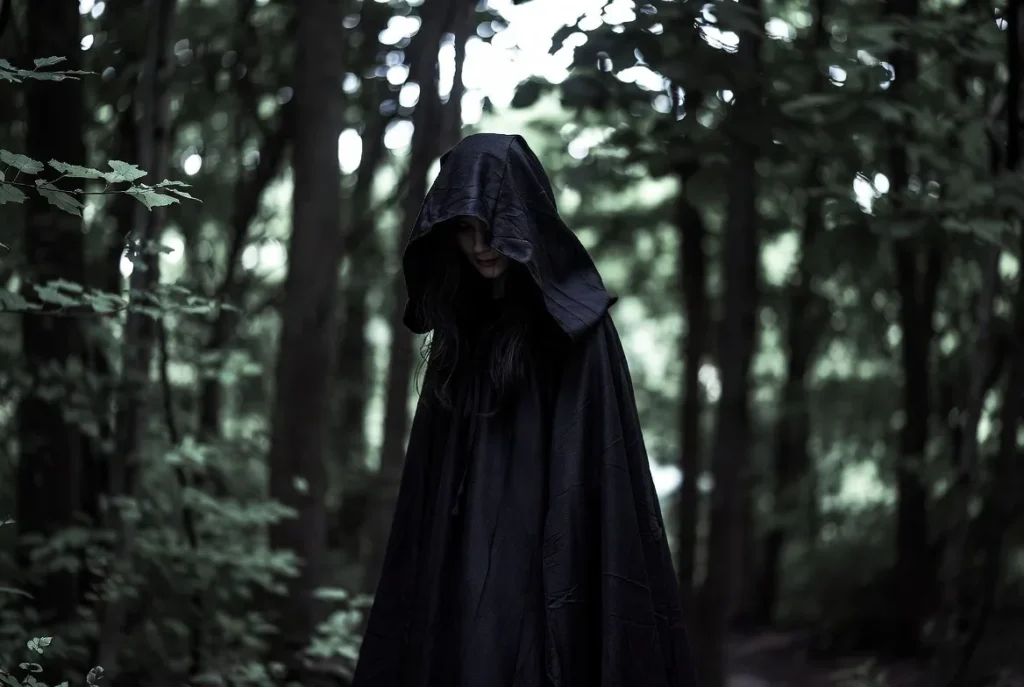
Wicca is a modern pagan religion (originated in 1940s UK) that is inspired by ancient pagan traditions. Adherents of Wicca identify as witches, but Wicca itself is not the same as the historic witch trials of the 16th–17th centuries. Instead, Wicca is a peaceful nature religion emphasizing gender balance (a Goddess and God) and the motto “harm none”. In the United States, the number of self-identified witches (often Wiccan or other pagan) has been growing – about 1.5 million Americans say they are witches, of whom roughly 800,000 identify as Wiccans. Wicca’s rise in the late 20th century helped fuel modern interest in witchcraft, but practitioners stress it as a legitimate religion, not devil-worship.
Are witches inherently evil or good?
Myth: All witches are evil or bad people. Reality: Real-world practitioners emphasize that witches are normal humans who can be good or bad, just like anyone else. Magic itself is neutral – it’s a tool that can be used for harm or healing. According to one modern witch interviewed by AMC, “those who practice witchcraft are just normal people, neither inherently good nor bad. The magic they channel is a tool for intentions, sometimes for good”. In practice, many witches (especially Wiccans) follow ethical rules like “harm none”. They do good works, heal, or seek personal growth. In other traditions (e.g. folk magic), some use spells with malevolent intent, but this is not universal. The bottom line: being called a ‘witch’ doesn’t automatically mean someone is evil.
Do witches cast curses or hexes?
Myth: Witches curse their enemies at every chance. Reality: Witches can cast harmful spells in stories, but many modern traditions discourage it. Some practitioners do work with hexes or curses, but even they warn about the consequences. For example, Wicca popularized the “Rule of Three,” meaning any negative action will return threefold. In practice, many witches focus on healing, luck, and protection spells, not harm. If someone feels cursed, skeptics might say it’s coincidence or psychosomatic. So while hexes exist in folklore, the harmful witch trope is overblown – responsible witches worry about karma.
How do modern witches actually practice?
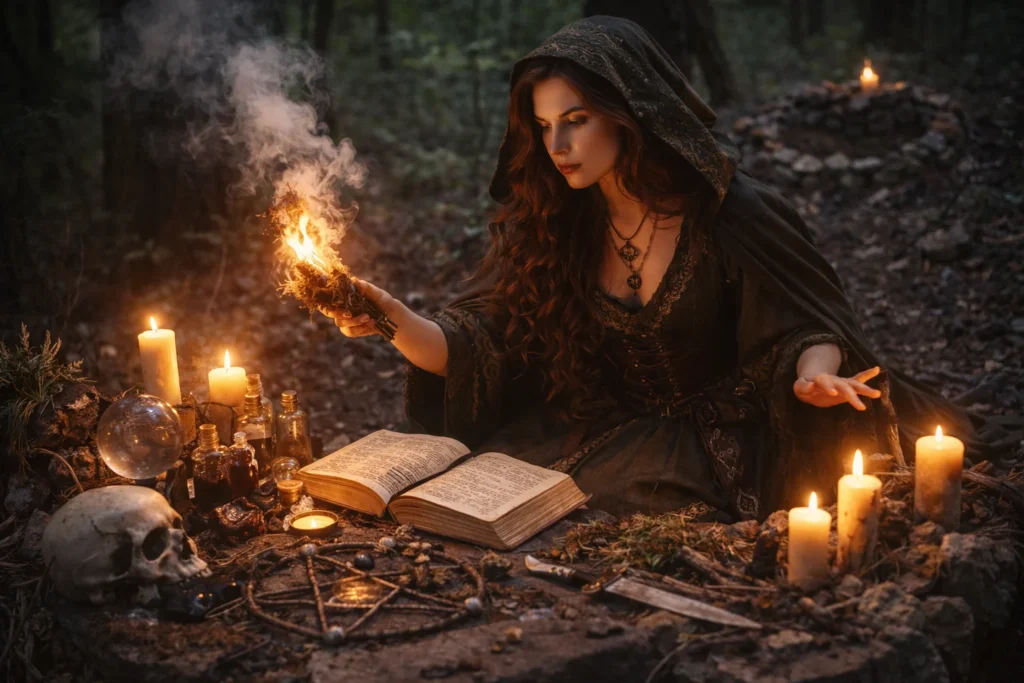
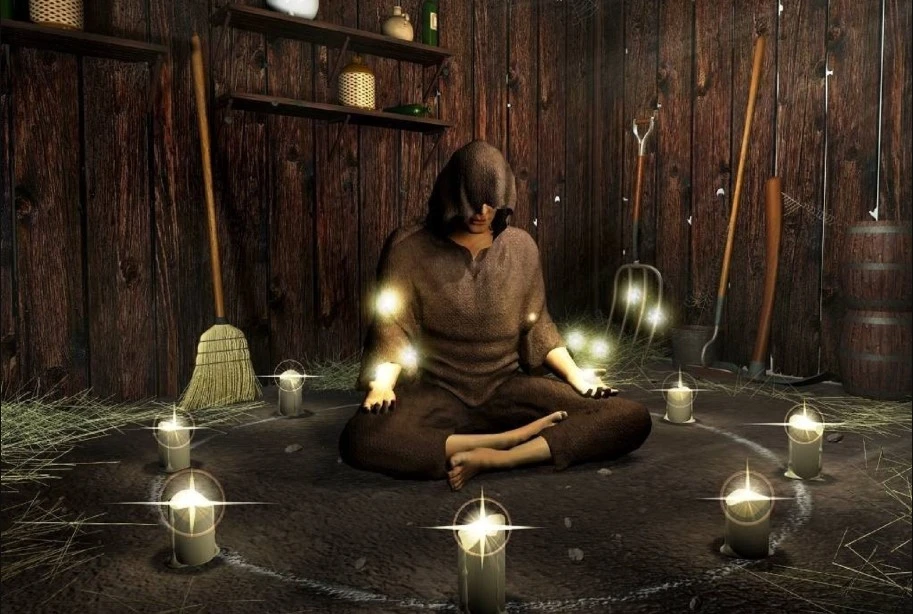
Answer: Modern witchcraft is mostly peaceful and often very unassuming. Many practicing witches today emphasize DIY and simplicity. As one writer notes, you don’t need expensive tools: beginners “often make do with what they have,” using pantry herbs, household candles or even internet printouts of deity pictures. Big chain stores selling “spell kits” are a recent trend, but historical witches made do with everyday objects. Wiccans, for instance, celebrate nature-based rituals (sabbats) on seasonal holidays. They may use candles, herbs, crystals, and incantations in simple ceremonies. Each witch’s practice is unique: some pray or meditate, others create herbal mixtures, and many conduct spells alone or in small groups. The common theme is intention-setting and focus – much like other types of meditation or prayer.
How many people practice witchcraft today?
Estimates suggest a surging interest in witchcraft and pagan religions, especially among younger people. In the U.S., surveys indicate around 1.5 million people identify as witches, and roughly 800,000 as Wiccans. In Britain and other Western countries, similarly large or growing pagan communities exist. Social media hashtags like #WitchTok and #Pagan are very active. The growing numbers likely reflect broader trends: many people are “spiritual but not religious,” and modern witchcraft appeals to those who value personal empowerment and nature. In short, unlike the past, today one can practice witchcraft openly without fear of persecution – in fact, it has become mainstream enough that you might find a “witch” meetup in any major city.
Is witchcraft protected or prohibited by law?
Answer: In most Western countries, witchcraft is not illegal. Laws that punished witchcraft as heresy or sorcery have been repealed. For example, England’s Witchcraft Act was in effect until 1951, and modern UK law now treats witchcraft claims like any other spiritual practice. In the U.S., there is no federal “witchcraft ban”; colonial witch laws fell by the time of independence. Today, some local ordinances regulate fortune-telling or “occult practices,” but these are generally aimed at preventing fraud, not persecuting religion. (Notably, colonial America never burned accused witches – they hanged them – and after independence, witchcraft accusations faded from law.) However, it’s important to note that in some parts of the world (outside the USA/UK/AUS) people can still face punishment or social abuse for witchcraft accusations, ranging from witch hunts to violence. In the West, though, witchcraft practice is legally allowed and often considered a form of free religious expression.
How does witchcraft differ in the USA, UK, and Australia?
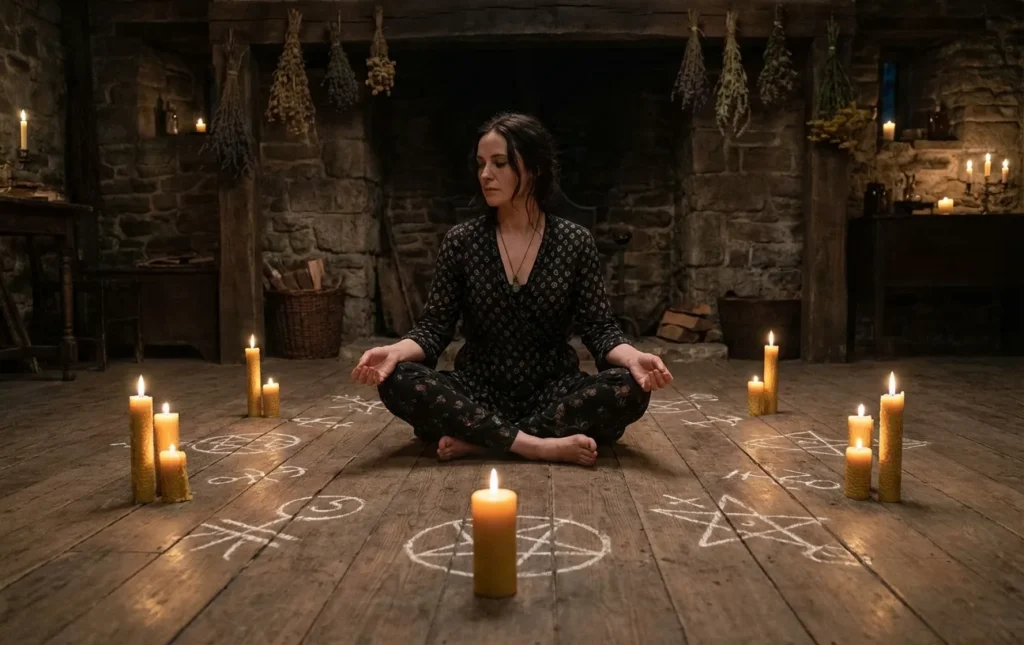
In all three countries, modern society generally permits witchcraft as a religion or spiritual practice. In the UK and Australia, historic witchcraft laws (based on old British statutes) were repealed in the mid-20th century, so witchcraft isn’t a crime anymore. In the USA, the First Amendment’s religious freedoms cover witchcraft and Wicca (as recognized in cases like Dettmer v. Landon). Some U.S. states still have quirky fortune-telling restrictions, but these are about fraud, not magic per se. Across all three nations, public attitudes have shifted – witchcraft (especially Wicca) is largely treated like any other new religion. Pop culture in these countries does sometimes sensationalize witches, but in reality modern “witches” attend conventions, publish books, and openly worship without legal trouble.
How do skeptics view witchcraft?
Skeptics and scientists stress that there is no reproducible empirical evidence for supernatural effects from witchcraft. In the scientific view, spells and rituals work on psychological or placebo levels, not by altering reality through magic. Many skeptics think of witchcraft as superstition or as a form of personal belief without physical cause. However, some admit that if practicing rituals makes someone feel empowered or focused, that effect is real – just not “supernatural.” In short, from a skeptical standpoint, witchcraft claims should be questioned and any successes are likely due to psychology, chance, or metaphorical change rather than literal magic. (Of course, many witches say their own experiences feel quite real to them, but skeptics ask for measurable proof.)
What do practitioners say about witchcraft?
Believers often emphasize the spiritual and personal benefits. Witches frequently describe their practice as empowering, healing, and in harmony with nature. For instance, sociologist Courtney Bender notes that modern pagans see witchcraft as “a religion of our times,” embracing a female divine (the Goddess) and environmentalism. A Teen Vogue practicing witch explains that witchcraft can be an “accessible form of magic” that helps practitioners focus their thoughts and intentions. Many report feeling more connected to the earth and to community. Importantly, practitioners insist that most witches do no harm. They often stress learning and growth: magic is seen as a path to personal insight and change, rather than just flashy tricks. So from the insider perspective, witchcraft is a positive, self-empowering craft or religion, not a sinister conspiracy.
Common mistakes and misconceptions in modern witchcraft
Many beginners fall for myths. A frequent mistake is thinking you need expensive tools or lots of candles to practice. In reality, early witches used simple items – you can start with things from your own home or backyard. Another misconception is believing you must do everything “by the book.” In truth, witchcraft is highly personal – if crystals and pentagrams don’t resonate with you, you don’t have to use them. People also overestimate ease: magic involves learning and effort. If a spell “fails,” it doesn’t mean witchcraft is fake; rather, experience and intent need to grow. Beginners sometimes assume they need a specific goddess or a black cat – none of that is strictly required. In summary, modern witches caution: keep an open mind, be patient, and don’t compare yourself to others’ Instagram-spells.
Witchcraft in popular culture vs reality
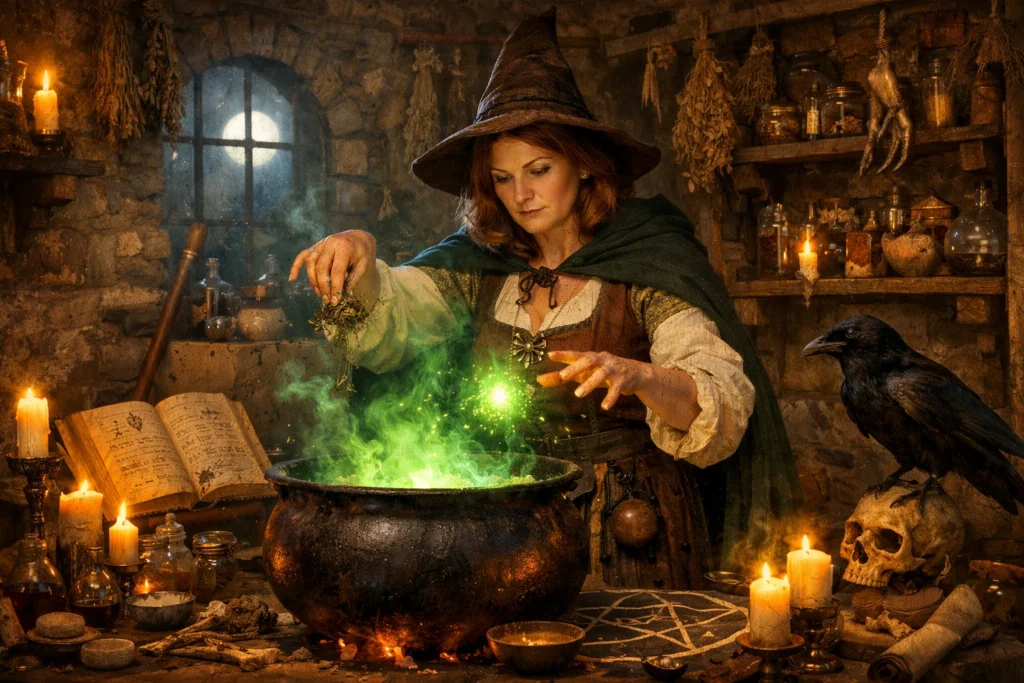
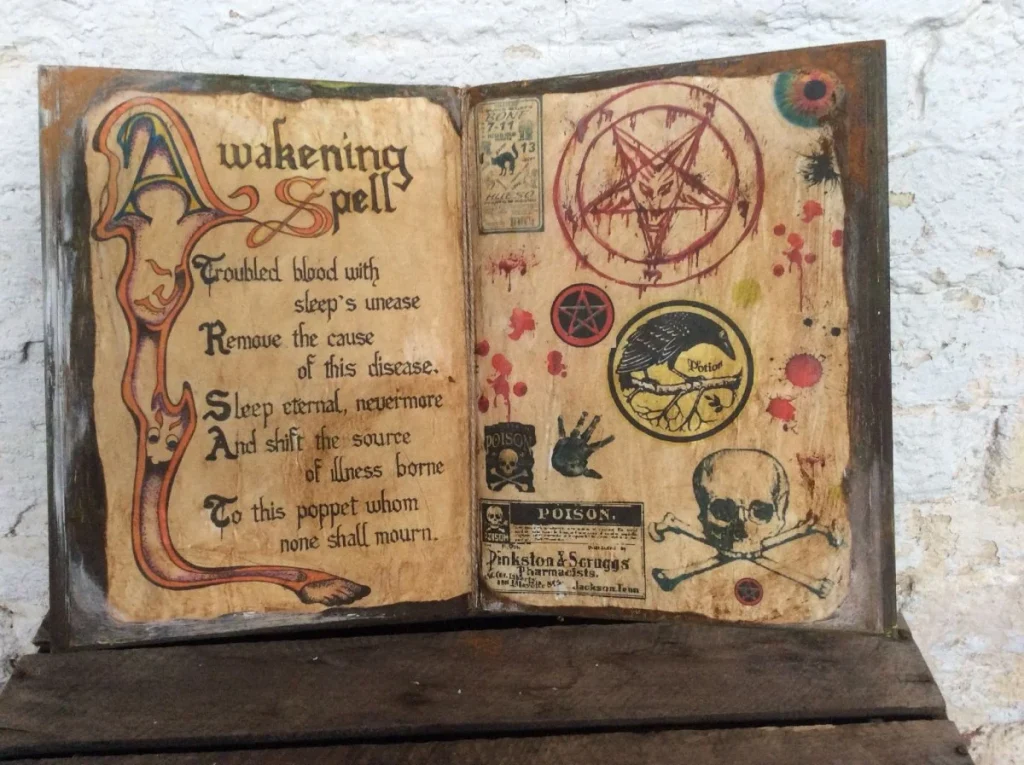
Hollywood and folklore paint wild pictures of witches: flying broomsticks, cock-eyed cackles, and instant curse-laying. For example, horror movies often show witches as evil sorceresses who look frightening and perform black magic. Reality is very different. Actual witches are just people; their rituals are often quiet and simple. They do not levitate or brew potions that explode. The real “magic” lies in mindset and ritual, not in neon-green fireballs. Pop culture tends to highlight the dark side of magic (because it’s spooky), but real practitioners mostly focus on healing, guidance, and self-empowerment. Understanding this contrast helps separate fiction from fact when considering what witchcraft really means today.
Key Comparison Table: Myth vs Reality of Witchcraft
| Myth | Reality |
|---|---|
| Witches were burned at the stake. | In England (and America) accused witches were hung, not burned. Burning was more common in places like Scotland or parts of Europe after execution. |
| Millions of witches were executed. | Historical records point to roughly 30,000–60,000 executed in Europe (about 50,000 by many estimates), far fewer than the mythic “nine million.” |
| Only women were witches. | Most accused were women (about 80–90% in Europe), but many men (and some nonbinary individuals) also were tried in various regions. |
| Witches were pagan cultists worshipping the devil. | There was no secret witch religion. Accused witches were usually ordinary people, and historians find no evidence of an organized pagan witch cult. |
| Witchcraft always involves dark magic and evil. | Modern witchcraft (especially Wicca) teaches ethical guidelines like “harm none”. Practitioners use magic for healing, growth and positive outcomes, not just curses. |
| Witchcraft is illegal today. | In most Western countries, witchcraft and Wicca are legal (seen as religion). Old laws were repealed long ago. Some places regulate fortune-telling as anti-fraud, but you can legally call yourself a witch in the USA, UK, or Australia without breaking the law. |
Frequently Asked Questions
- Is witchcraft the same as Wicca? Answer: Wicca is a modern pagan religion founded in the 20th century. It’s one form of modern witchcraft, but not all witches are Wiccan. Wicca has specific beliefs (like honoring a God and Goddess) and ethics (“harm none” rule), while “witchcraft” is a broader term for magical practices that can be spiritual or secular.
- Can witchcraft curses harm me? Answer: According to folklore, curses can happen, but evidence for real harm is scant. Most witches warn against casting harmful spells due to karmic “rules” like the Rule of Three. Skeptics would say any misfortune from a curse is coincidental or psychological. It’s best to focus on positive intentions.
- Do witches need to worship Satan? Answer: No. The idea that witches worship the devil comes from Christian demonization of witchcraft, not from witch practitioners themselves. Most modern witches (including Wiccans) either are earth-centered or are not theistic at all, and none worship Satan as part of their practice.
- Can anyone become a witch? Answer: Yes. Witchcraft is not restricted by lineage or family; anyone with interest can learn and practice it. Like any skill or religion, it takes study and practice. People from any background or belief can identify as witches if they follow a witchcraft path.
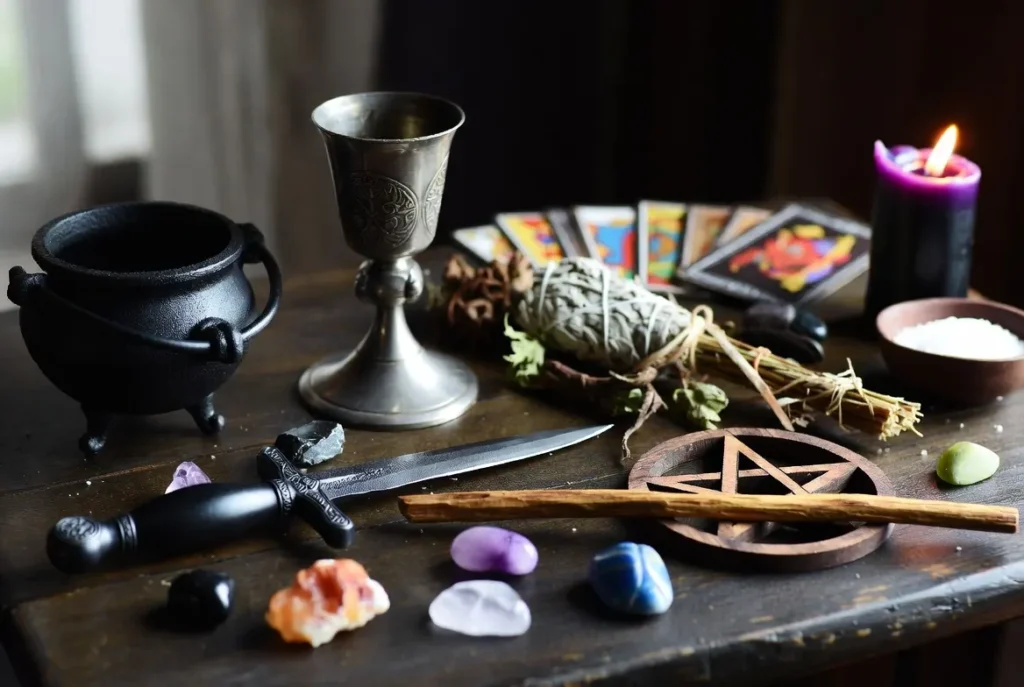
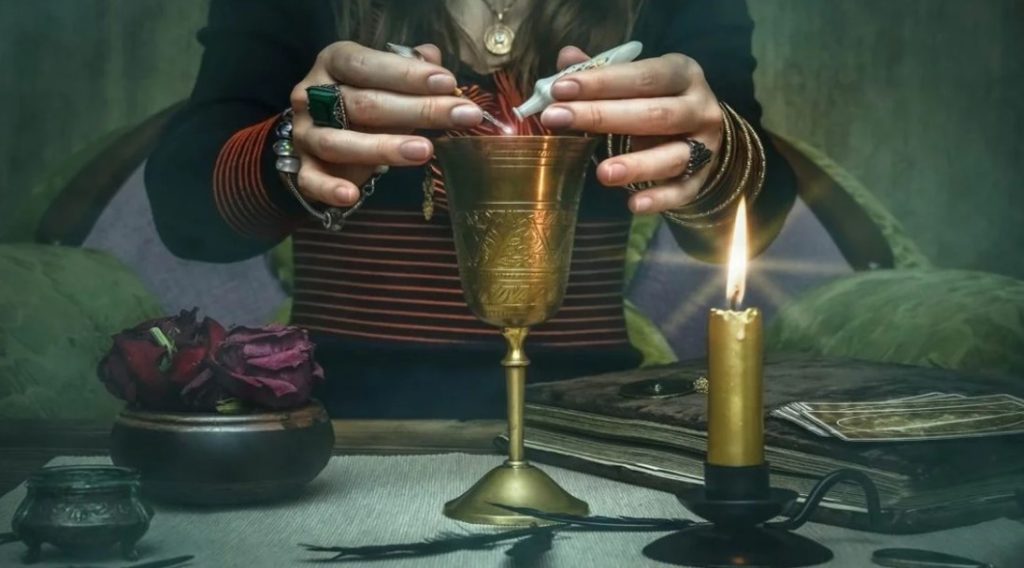
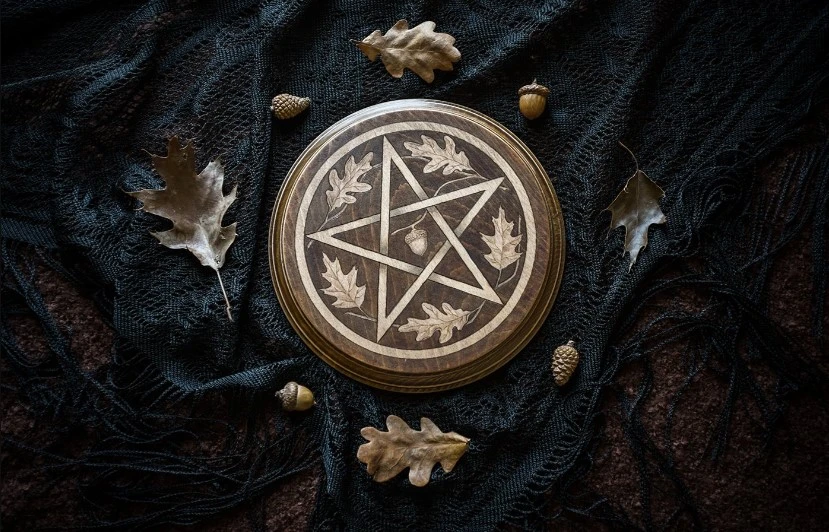
- What do witches use in rituals? Answer: Tools vary by tradition. Common items include candles, herbs, crystals, incense, or tools like a wand or chalice. But none of these are absolutely required. Early witches often used what was at hand. The real power is belief and intent. You might see witches with pentagrams, a broom, or animals, but these are symbolic – real practice can be quite simple.
- Are witches protected by religious freedom laws? Answer: Generally, yes. In the U.S., courts have recognized Wicca and other pagan traditions under religious freedom, so witches have the same legal rights as other religious groups. This means, for example, that practicing your witchcraft privately or in places of worship (like public parks) is usually protected, just like any other faith.
Conclusion
Witchcraft is a tapestry woven from history, culture, and belief – not a single thread of evil or magic. Witchcraft myths vs reality: We’ve seen that many legends (burnings, millions killed, devil-worship, etc.) don’t hold up to scrutiny. In reality, witchcraft has been many things to many people: a feared superstition in the past, and today a spiritual or personal practice. Modern research and practitioner accounts emphasize its real aspects (ritual focus, community, self-empowerment) while debunking sensational claims. Whether you’re a spiritual practitioner or a curious skeptic, remember to separate the folklore from the facts. By focusing on evidence and diverse sources, we see that witchcraft in 2026 is less about magic potions and more about human intentions and community – a far cry from the scary stories of old.
Pingback: Unveiling Pagan Witchcraft: A Journey into Earth-Centered Spirituality - Witch symbols
Pingback: The Swing Symbol in Witchcraft: Embracing the Rhythm of Magic and Transformation - Witch symbols
Pingback: The Intriguing Practice of Self-Humiliation Rituals in Witchcraft - Witch symbols
Pingback: Herbs for Witchcraft: The Modern Witchcraft Guide to Magickal Herbs - Witch symbols
Pingback: Top 5 Best Witchcraft Books for Beginners: A Gateway to the Magical World - Witch symbols