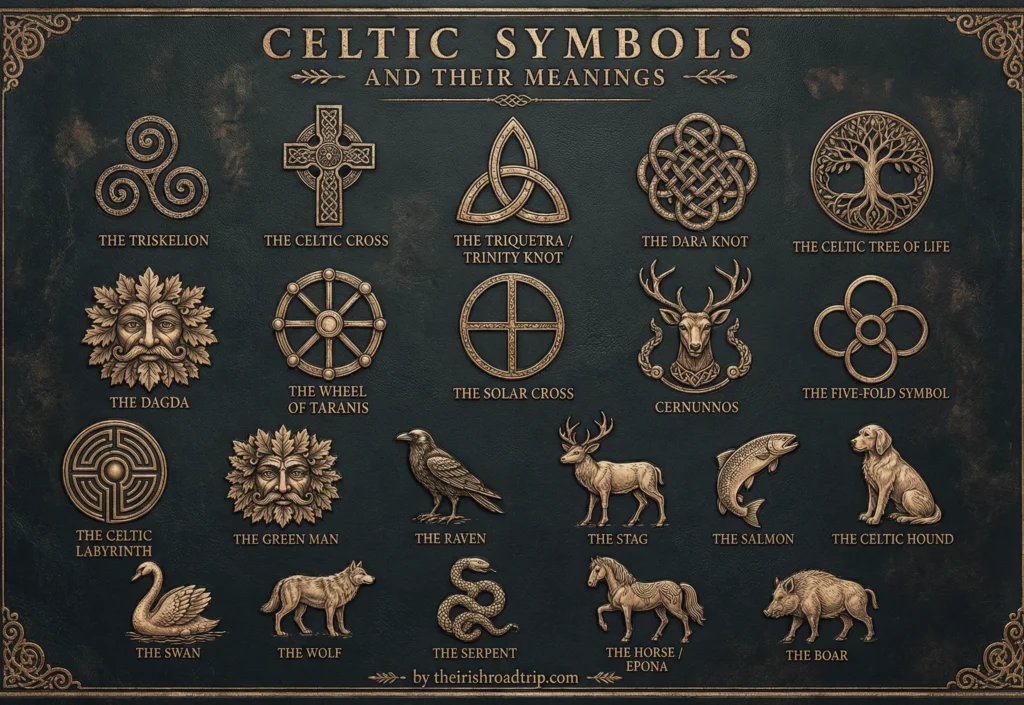
I’ve spent years sitting across from clients who walk in clutching a printout of a Celtic knot or a shamrock, certain they know exactly what it means. Most of the time, they’re half right. Irish symbols carry layers that casual searches never surface, and getting a tattoo based on incomplete information is the kind of regret that lasts longer than the ink.
Irish symbols draw from two distinct wells: pre-Christian Celtic tradition stretching back to at least 500 BCE, and the Gaelic Christian synthesis that emerged after the 5th century. That collision produced some of the most visually and spiritually dense iconography on earth.
Quick Answer: What Do Irish Symbols Mean?
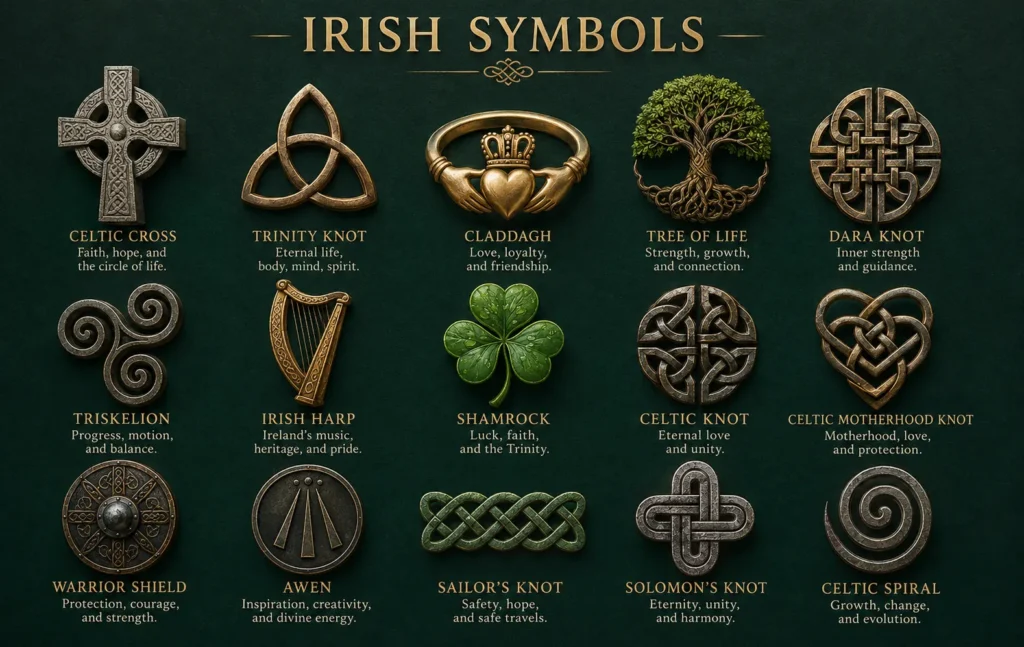
Irish symbols represent core human values filtered through a specifically Celtic spiritual lens. The shamrock signals faith, hope, and charity. The Claddagh encodes love, loyalty, and friendship. Celtic knots express eternity and interconnection. The Tree of Life roots the individual to ancestors and cosmos. Most ancient Irish symbols carry protection or life-force meanings, adapted across pagan, Christian, and modern secular contexts.
Cultural and Historical Origins of Irish Celtic Symbols
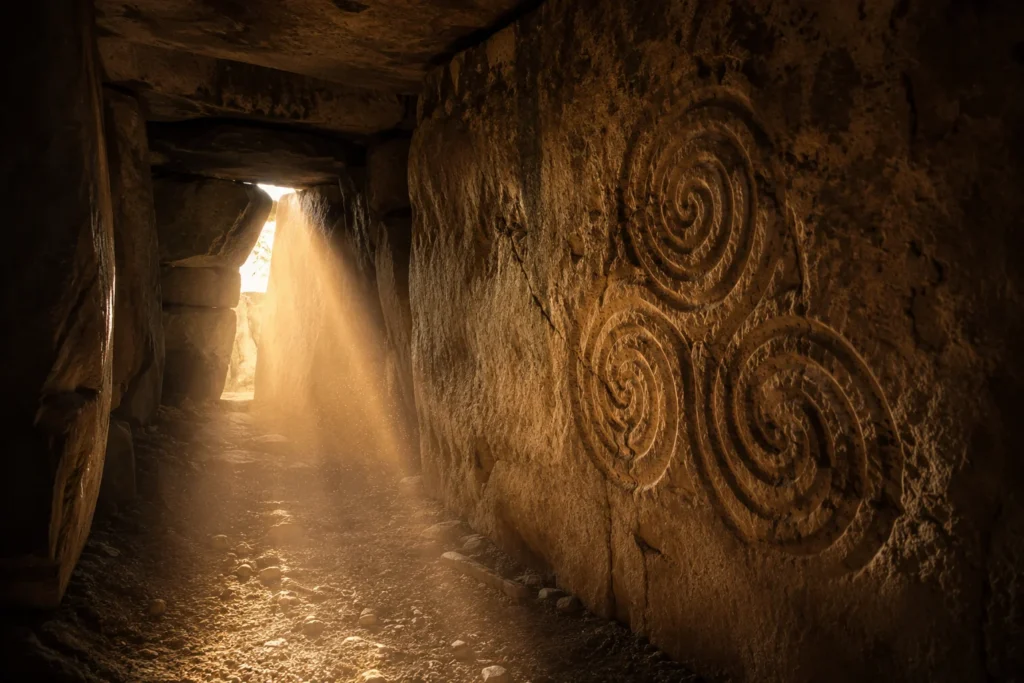
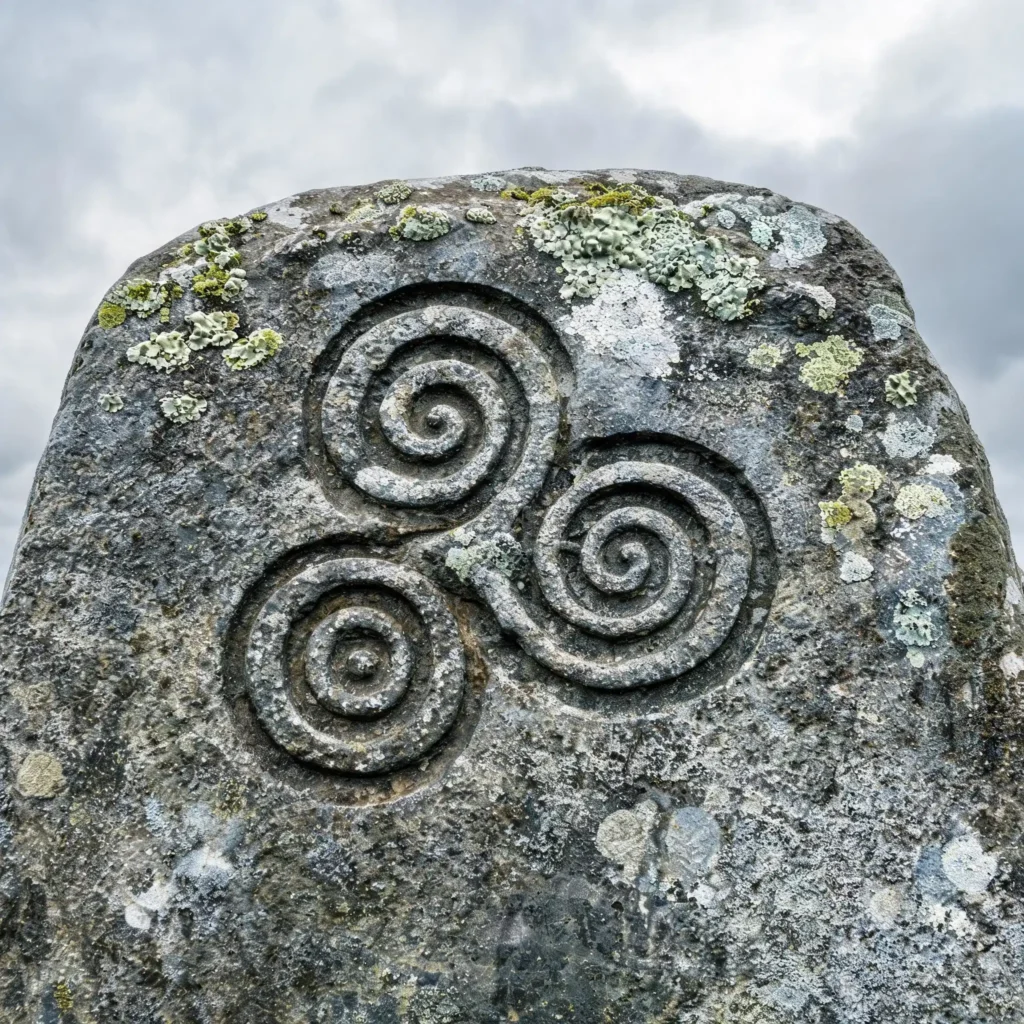
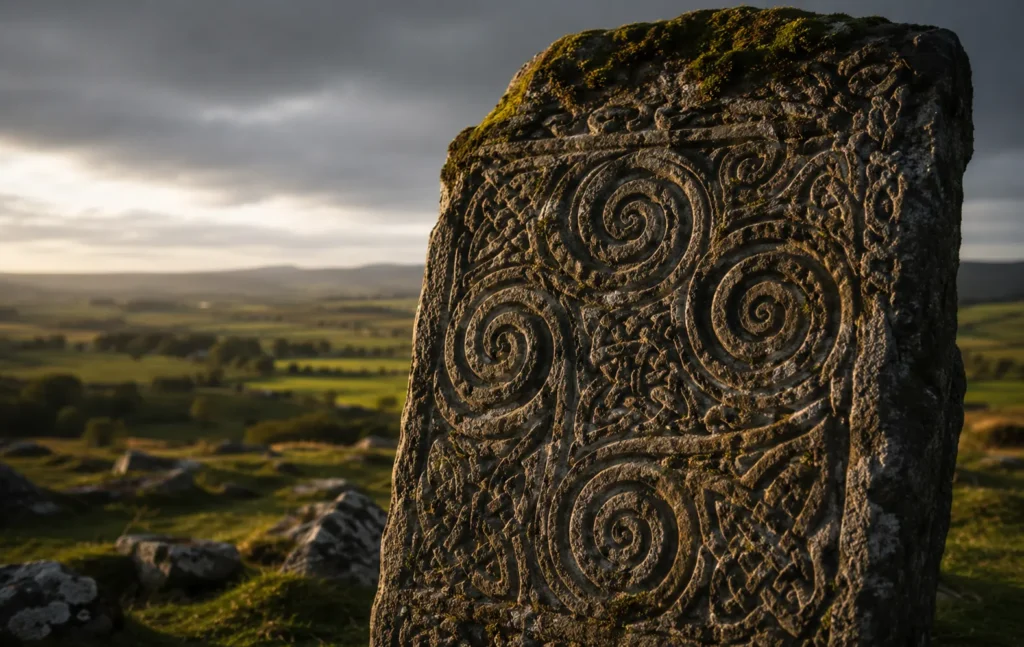
The oldest confirmed carved symbols in Ireland appear at Newgrange, County Meath, dating to approximately 3200 BCE. That’s older than Stonehenge and older than the Egyptian pyramids. The triple spiral, or triskelion, carved into the entrance stone there predates the Celts by nearly two thousand years. What most people get wrong is assuming Celtic and Irish are synonymous. They aren’t. Celtic culture arrived in Ireland around 600-300 BCE, grafting its own symbolic vocabulary onto a much older indigenous one.
The La Tene style, developed on the European continent around 450 BCE, gave Ireland the intricate knotwork and spiralwork that now reads as quintessentially “Irish.” When Irish monks began illuminating manuscripts like the Book of Kells in the 8th century, they fused this visual language with Christian theology. A pagan knot symbolizing cosmic continuity became a frame for the Gospel of John.
One lesser-known fact: many Irish symbols that feel ancient were actually systematized or even invented during the Celtic Revival of the 19th and early 20th century. The Claddagh ring’s “official” origin story dates to the 17th century. The harp as a national emblem got its current standardized form in the 1920s. Knowing this doesn’t diminish the symbols. It actually makes them more interesting.
What Irish Symbols Mean as Tattoos Today
Tattoo culture has built its own interpretive layer on top of history. Someone choosing an Irish symbol tattoo in 2026 is rarely making a purely academic statement. They’re reaching for identity, ancestry, grief, love, or protection.
I’ve noticed that Irish heritage tattoos spike after major life transitions. Clients who’ve lost a parent, left Ireland, or reconnected with diaspora roots make up a significant portion of people choosing these designs. The symbol becomes an anchor.
What tattoo artists say, consistently, is that Irish symbol tattoos read as intensely personal rather than decorative. A Japanese koi or a geometric mandala can feel universal. A Claddagh or a Celtic cross carries a biographical weight the moment someone sees it.
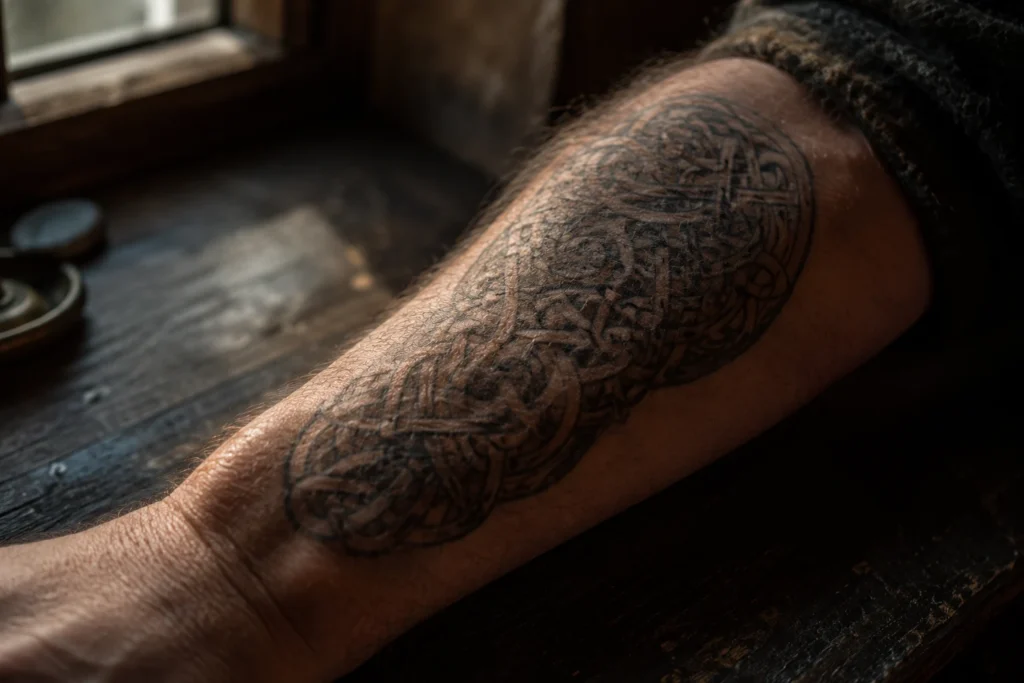
Someone who gets a Celtic knot on their wrist is often making a visible, daily-affirmation choice. The same knot on the upper back or shoulder blade tends to be more private, connected to grief or a specific person rather than general identity.
Design Variations and Their Specific Meanings
The Irish Claddagh Symbol
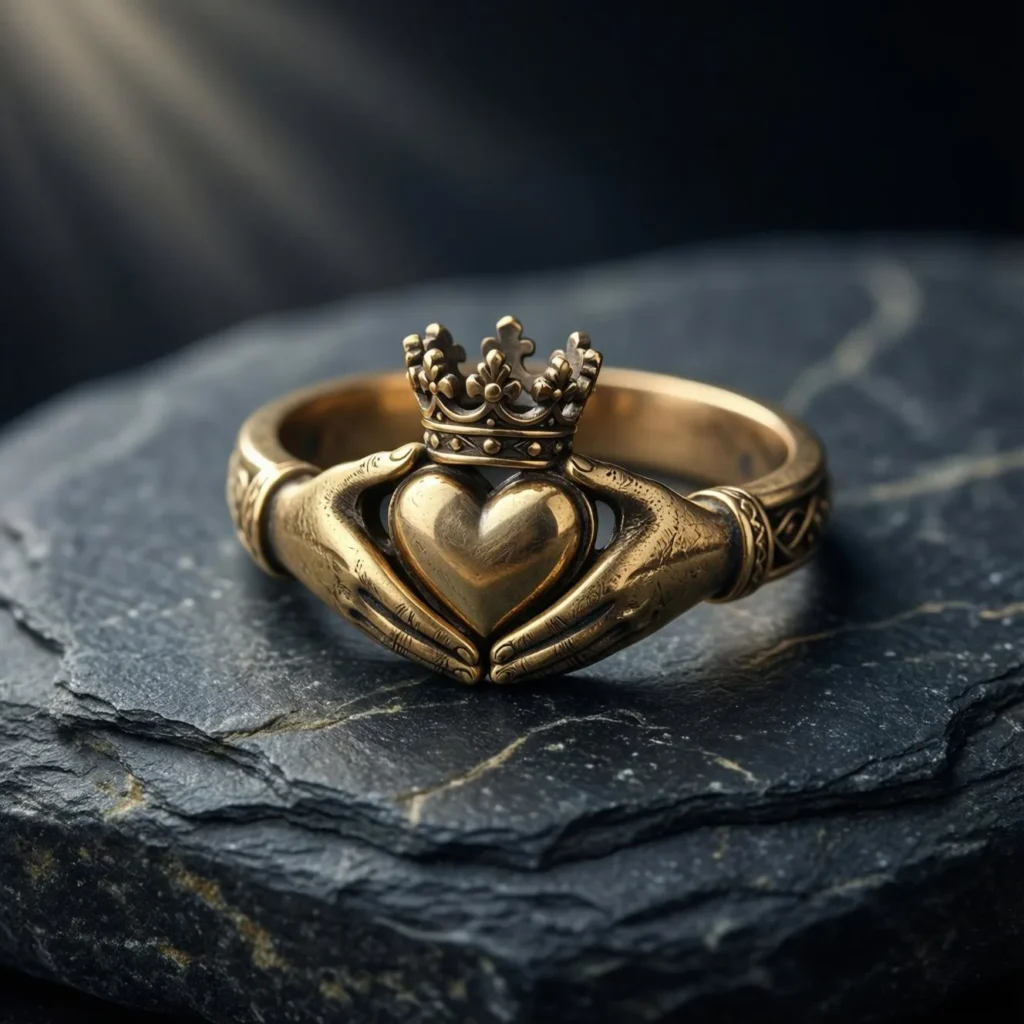
The Claddagh is two hands holding a crowned heart. Hands mean friendship, heart means love, crown means loyalty. Origin: the fishing village of Claddagh in Galway, 17th century, attributed by legend to Richard Joyce who crafted it while enslaved in North Africa.
As a tattoo, orientation matters. Heart facing inward (toward the body) signals an open heart, available. Facing outward signals commitment. Placement on the ring finger doubles the symbolism. On the wrist or inner forearm it reads as a values statement rather than a relationship status marker.
The Irish Shamrock Symbol
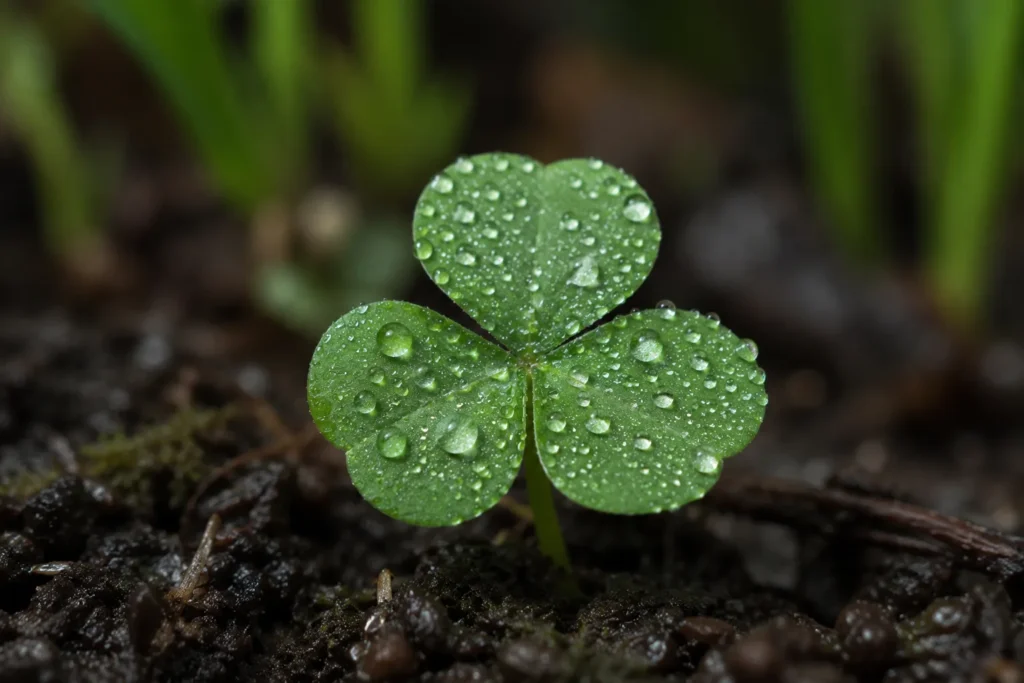
St. Patrick reportedly used the three-leafed shamrock to explain the Holy Trinity around the 5th century. Whether that’s history or hagiography is debated, but the symbol has meant three-in-one unity in Irish culture for over a millennium.
As a tattoo, the shamrock is high risk, high reward. A poorly executed shamrock reads as St. Patrick’s Day decoration. Done well, with intentional linework and meaningful context, it’s one of the cleanest, most culturally legible symbols available. Placement on the chest or over the heart tends to carry explicit faith meaning. On the ankle or foot it often signals Irish pride more than spirituality.
Irish Celtic Knot Symbols
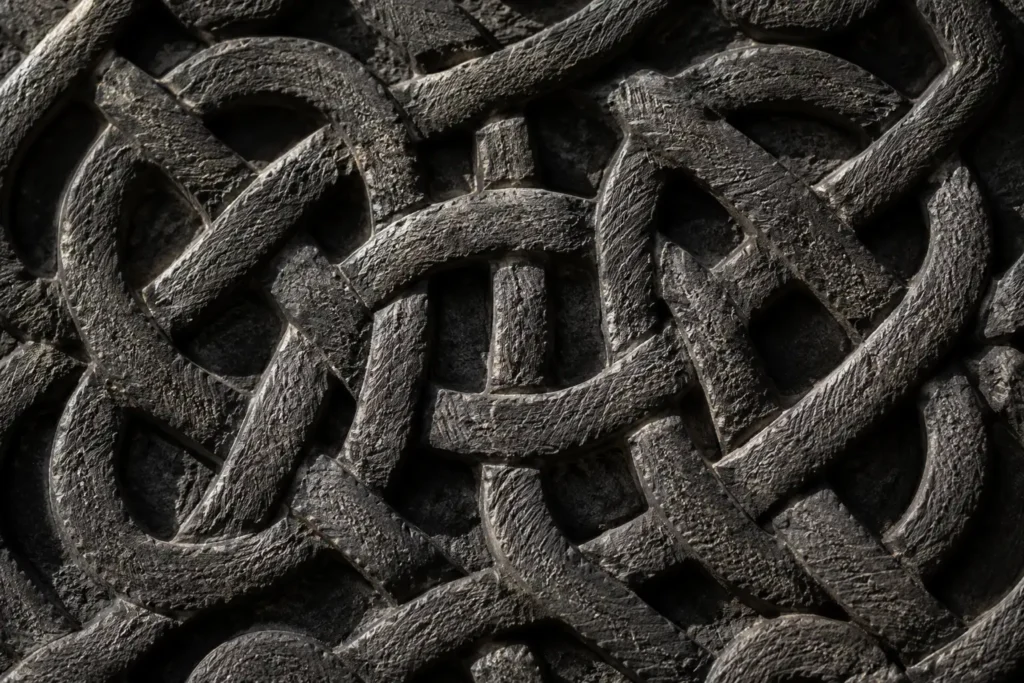
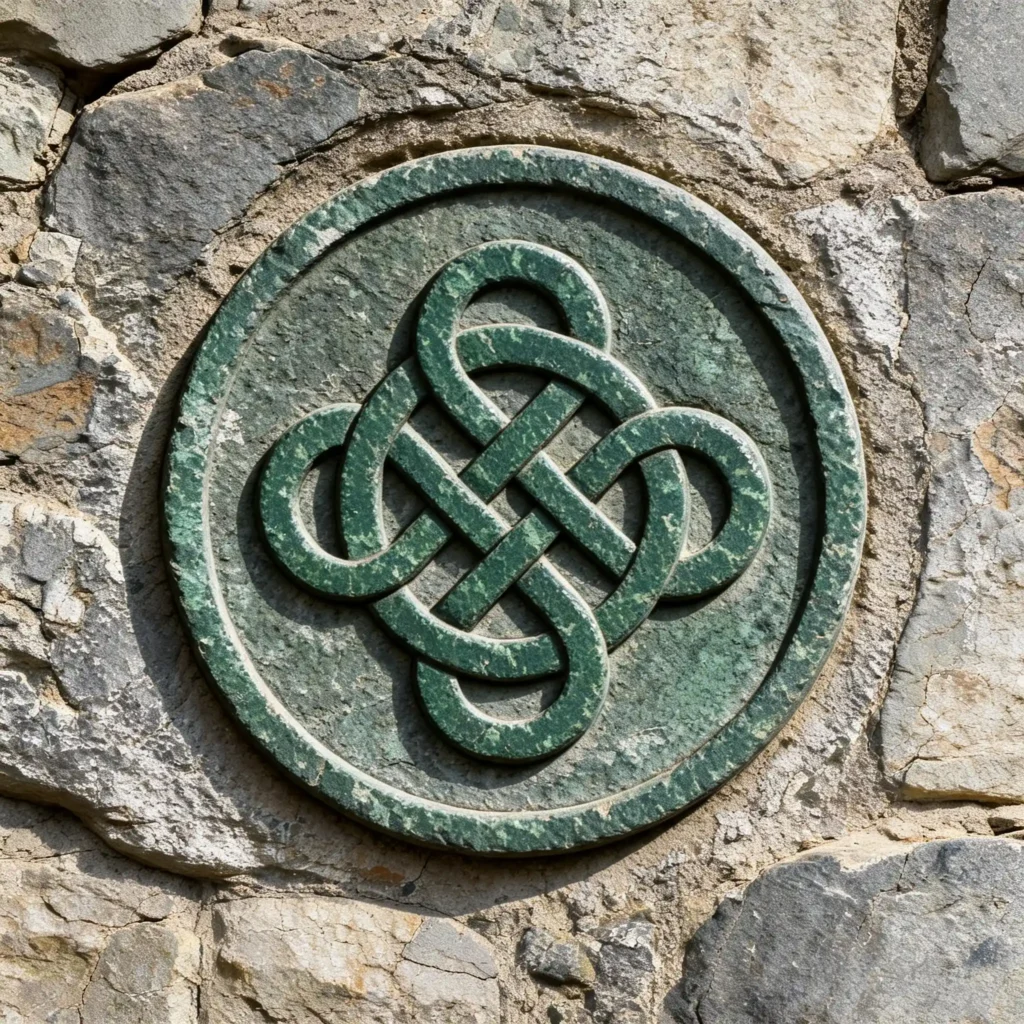
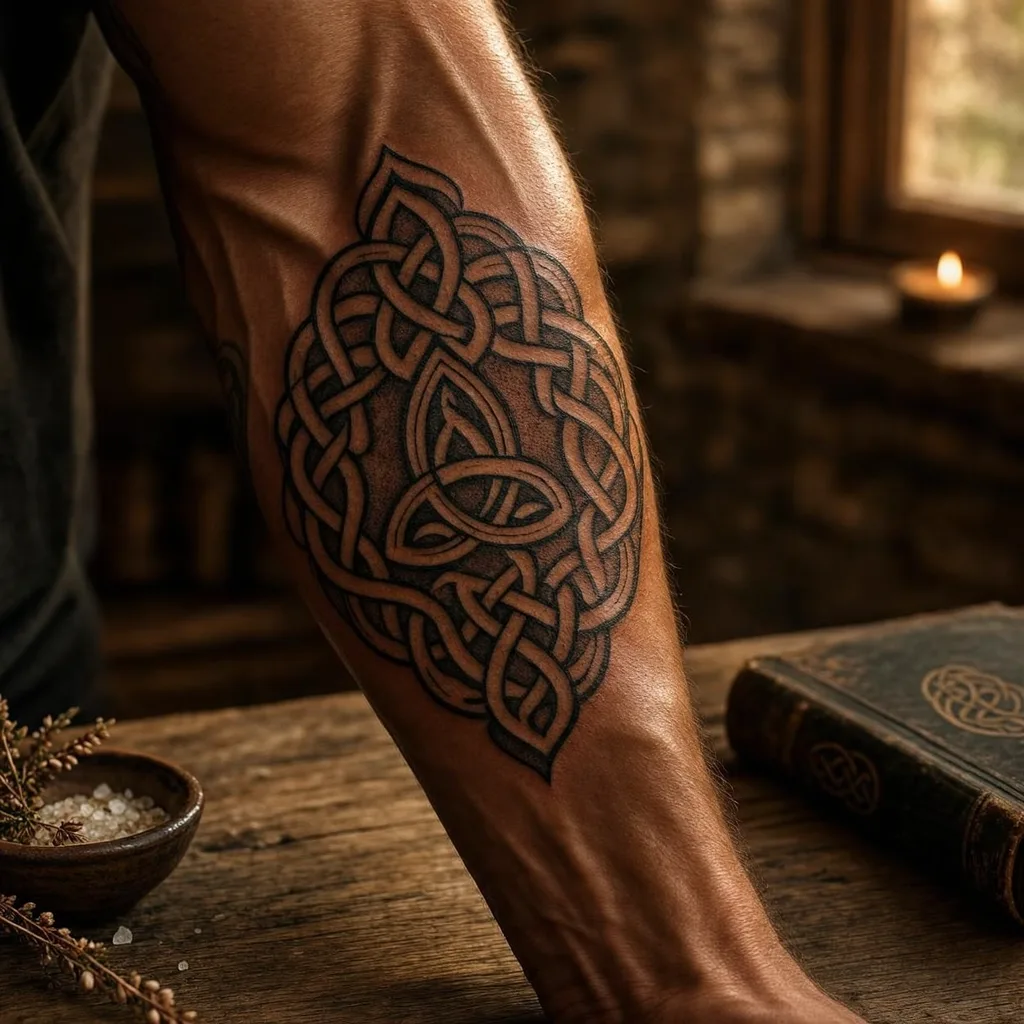
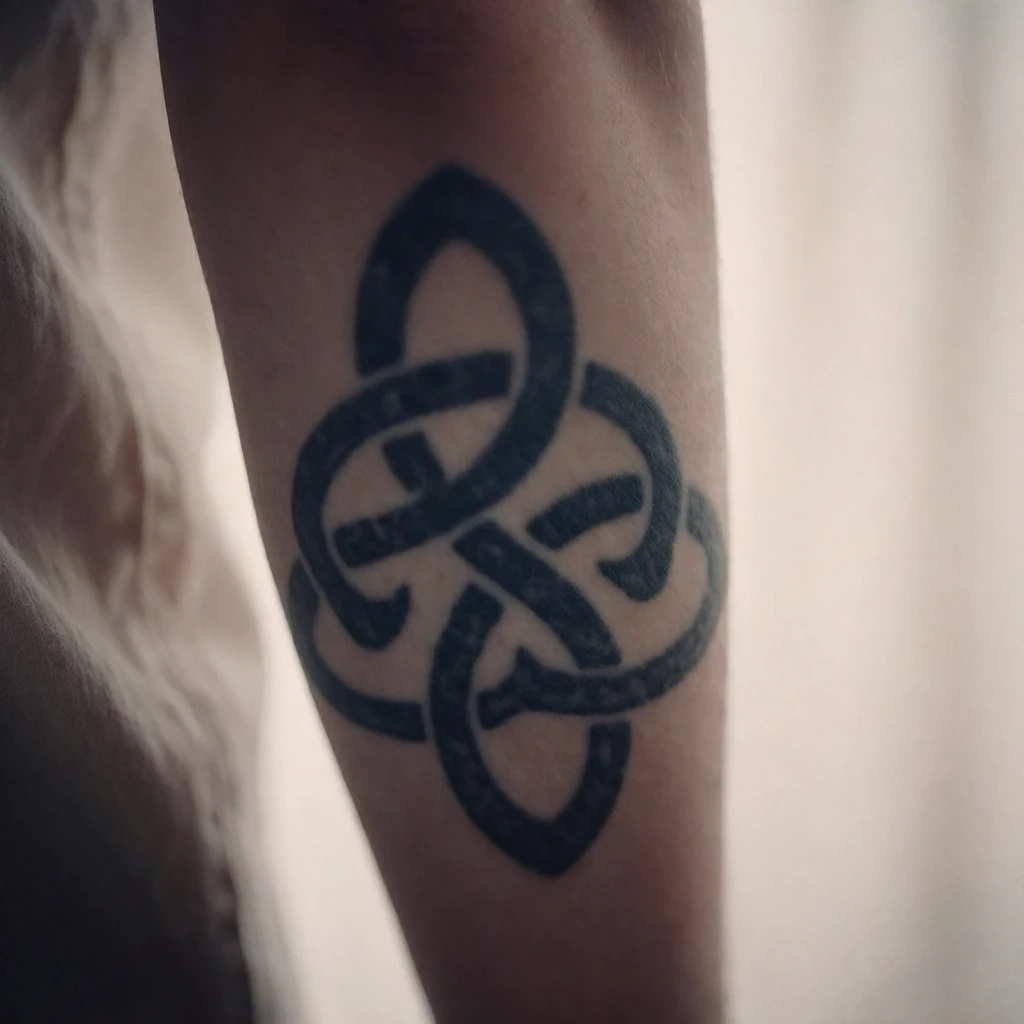
Celtic knots have no beginning and no end. That’s the point. They encode eternity, continuity, the interconnection of all living things. The Dara Knot specifically represents the oak tree’s root system and carries meanings of strength and inner wisdom.
If you want to go deeper on the full range of Celtic knotwork meanings, the Celtic symbolism guide covers the broader tradition in detail.
For tattoos, the complexity of knotwork means it ages according to the artist’s skill. Fine, tight linework in knotwork blurs over 10 to 15 years as skin changes. Bolder, more open knotwork holds longer. This is the single most important technical consideration for Celtic knot tattoos.
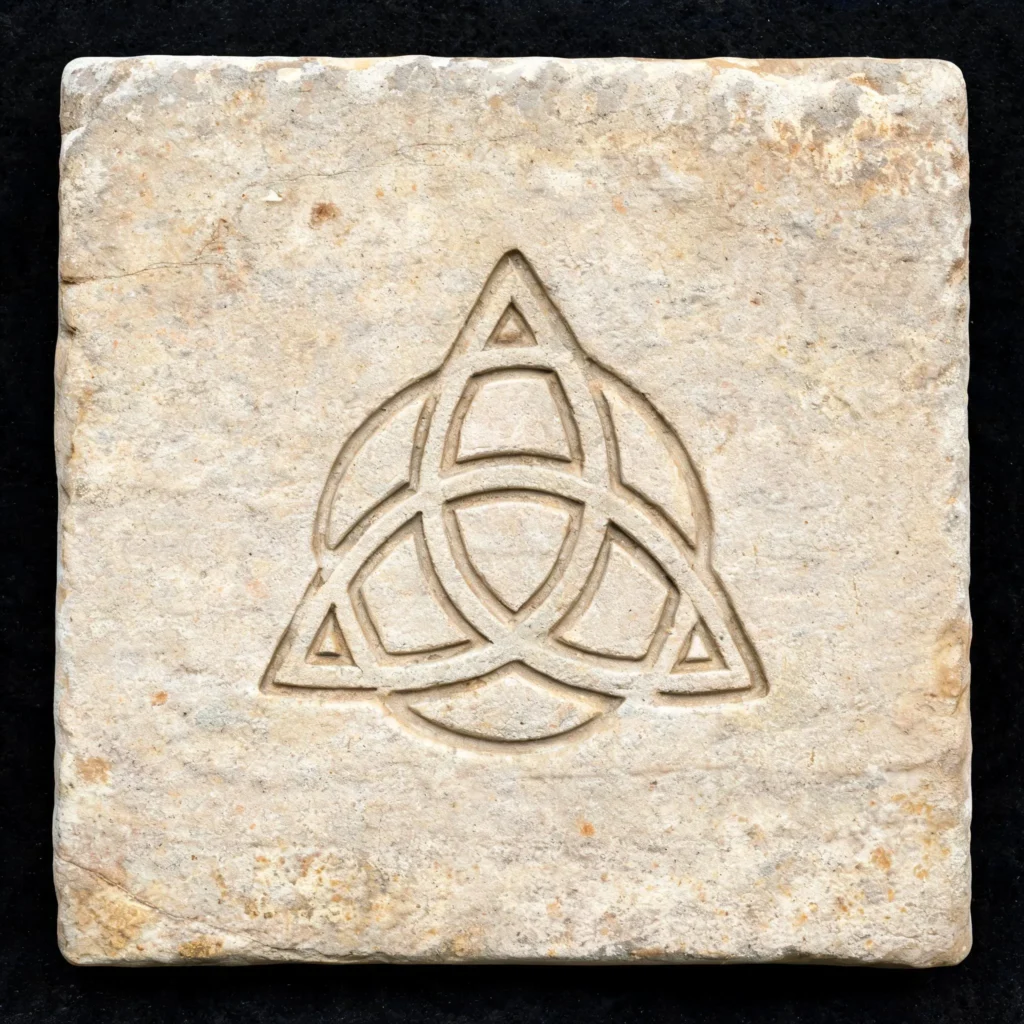
The Irish Trinity Symbol (Triquetra)
Three interlocked arcs forming a continuous line. Pre-Christian use in Ireland associated it with the Triple Goddess or three-fold nature of reality: land, sea, sky. Christians absorbed it as a Trinity symbol seamlessly.
It’s one of the most versatile Irish symbols for tattoos because it scales well from a small wrist piece to a large back design. The meaning adapts depending on context: spiritual for some, simply ancestral for others.
The Irish Tree of Life Symbol
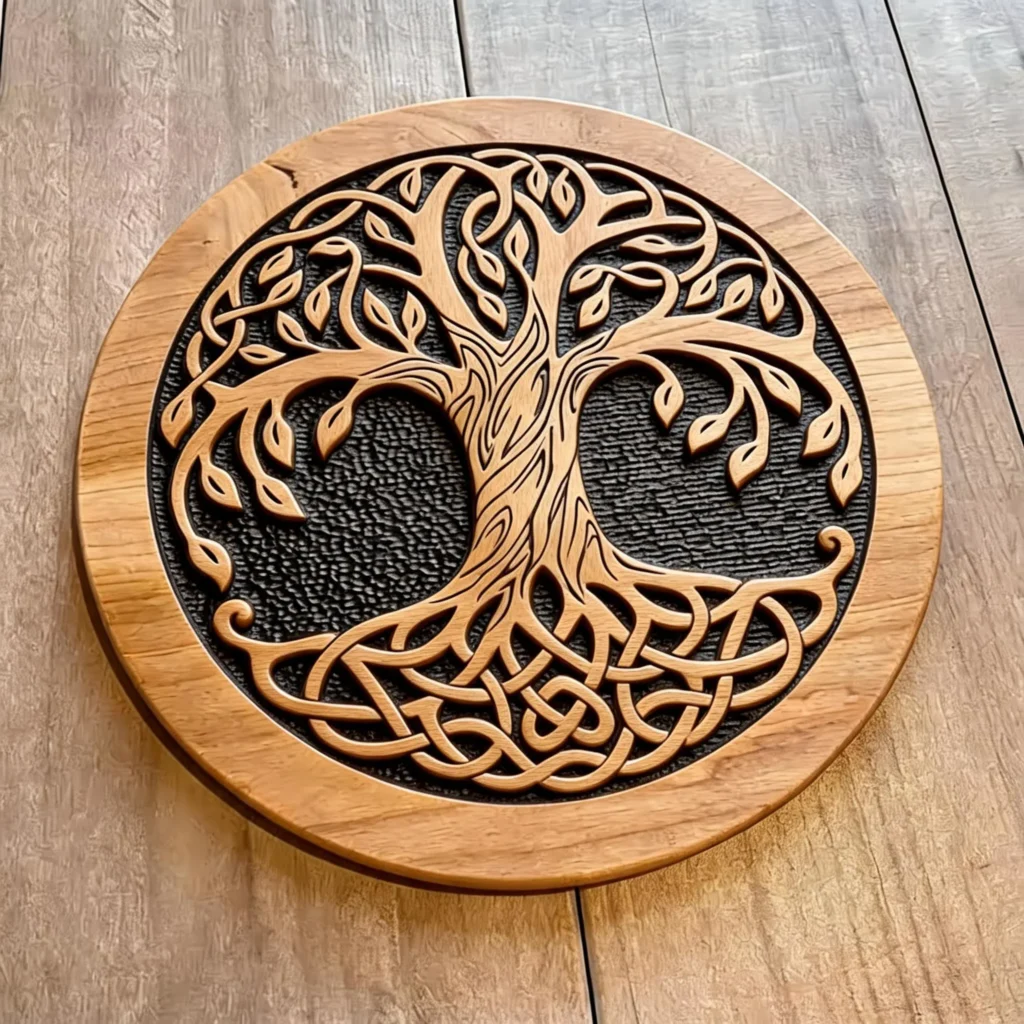
The Crann Bethadh (Tree of Life) in Celtic tradition wasn’t just a metaphor. Ancient Irish communities held specific trees sacred and making a chieftain was often ceremonially tied to a sacred tree on their land. Cutting down an enemy’s sacred tree was an act of war.
As a tattoo, the Tree of Life is one of the most popular Irish symbol choices globally, which has created a market saturation problem. The designs that stand out are the ones tied to specific family or ancestral meaning, or those with integrated knotwork that connects it unmistakably to the Celtic tradition rather than generic “world tree” imagery.
The Irish Harp Symbol
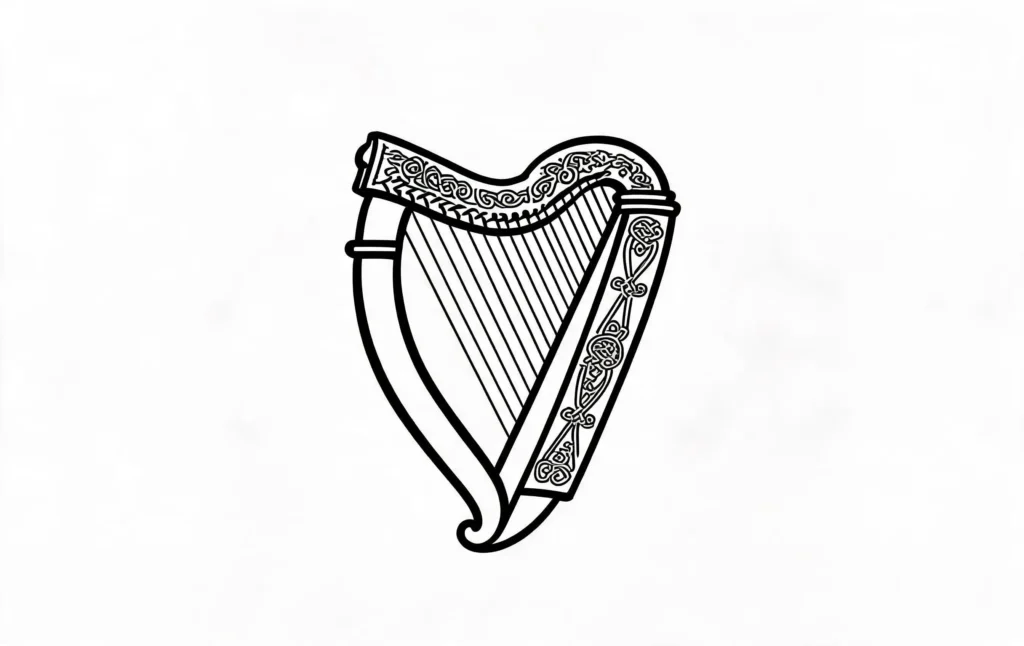
The harp is Ireland’s national symbol, appearing on state seals, currency, and passports. It’s the only country in the world to use a musical instrument as its national emblem. The Brian Boru harp at Trinity College Dublin, dated to the 14th or 15th century, is the physical model for the official emblem.
Harp tattoos carry a strong Irish national identity signal. They work especially well for diaspora Irish as a statement of cultural belonging that transcends religion or politics.
Irish Good Luck Symbols: The Four-Leaf Clover
Distinct from the shamrock. Three leaves is the shamrock; four is luck, a natural mutation and therefore rare. Faith, hope, love, and luck are the traditional four meanings assigned to each leaf.
As a tattoo, the four-leaf clover is the most culturally accessible Irish good luck symbol globally. Non-Irish wearers choose it without cultural appropriation concern because it’s been absorbed into international luck iconography not like dragon tattoo symbol.
The Spiral and Triskelion: Old Pagan Irish Symbols
The triple spiral at Newgrange. Whatever it meant to its Neolithic creators is genuinely unknown, which is worth stating honestly. Current interpretations, including sun cycles, life-death-rebirth, and spiritual journeys, are reasonable inferences, not documented facts.
The Celts later used the triskelion extensively, associating it with motion, progress, and the cycle of life. As a tattoo, it’s one of the most ancient looking Irish designs available, and carries a spiritual weight that feels pre-religious in a way that resonates with people outside Christian frameworks.
Irish Protection Symbols and Warrior Symbols
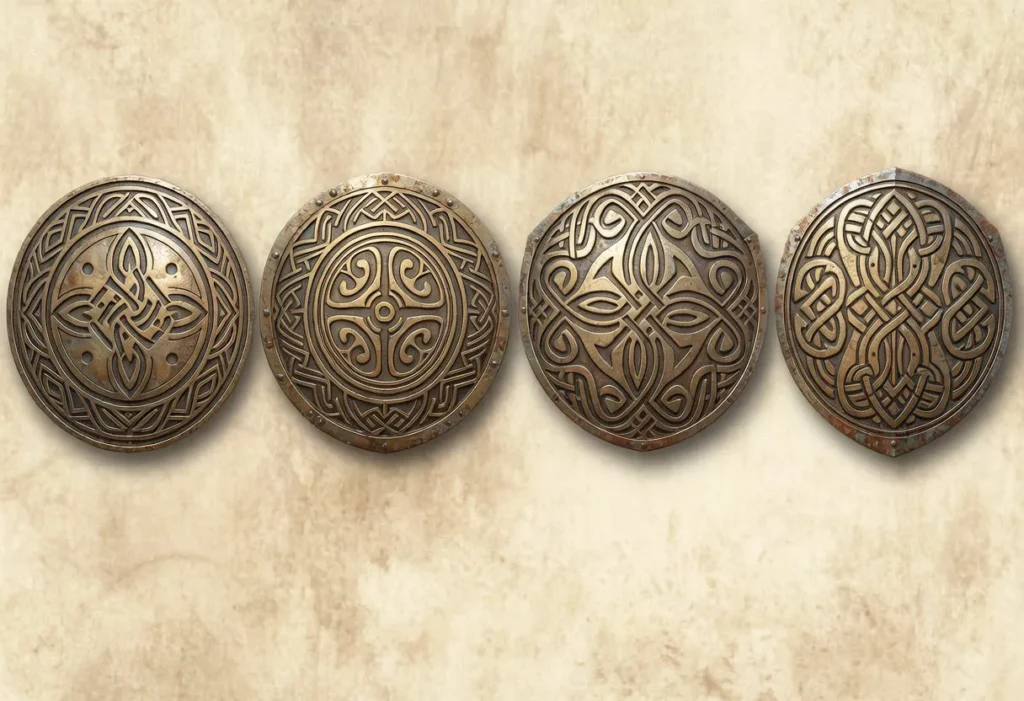
The St. Brigid’s Cross is woven from rushes on February 1st, Imbolc, and hung above doorways for protection. Pagan origin, Christian reframing. As a tattoo, it signals both protective intent and specifically Irish domesticity and care.
The Ailm, a simple cross with four equidistant points inside a circle, comes from the Ogham alphabet’s symbol for the fir tree. It represents strength, resilience, and clear perspective in adversity. Many Irish warrior symbol tattoos draw on Ogham, the ancient script carved in stone across Ireland and Wales from the 4th to 7th centuries.
Irish Friendship and Family Symbols
The Claddagh doubles as the primary Irish friendship symbol when gifted between friends rather than romantic partners. Traditionally, an Irish friendship symbol in the form of a Claddagh worn on the right hand signaled an open heart available for friendship and love.
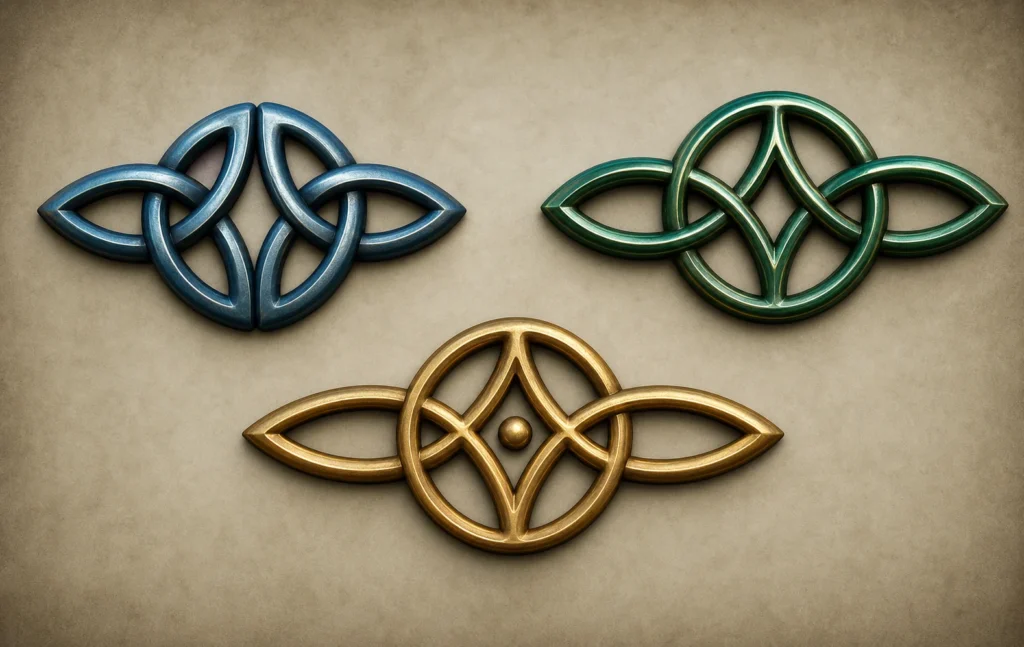
For family, the Celtic family knot, a continuous knot with no exterior points, is specifically associated with family bonds. Unlike general Celtic knots, it’s designed to loop back on itself in a way that suggests an enclosed, permanent unit. The broader world of pagan symbols and their meanings puts the Irish tradition in useful cross-cultural context.
Placement Meaning for Irish Symbol Tattoos
Wrist and inner forearm placement says: I want to see this every day. It’s a personal reminder or affirmation, visible in daily life, often connected to values or someone loved and lost.
Chest and sternum placement signals that the symbol is close to the heart, literally. This is where grief tattoos often go: a parent’s favorite symbol, an ancestor’s name in Ogham script, a Trinity knot for someone whose faith is private but real.
Upper back and shoulder blade placement tends toward the ancestral and the private. People see it when you choose to show them. This is where complex knotwork or larger Tree of Life designs tend to land.
Sleeve work incorporating Irish symbols is increasingly popular for diaspora Irish who want to tell a full heritage story across one arm. The challenge is tonal consistency: Irish symbols range from spare and geometric to densely interlaced, and getting them to cohere requires a tattooist who knows the visual language.
Neck and behind the ear: small, clean symbols here tend to be deeply personal shorthand. A tiny shamrock, a Triquetra, a small Claddagh heart. High visibility, high commitment.
Cultural Sensitivity: What to Know Before You Get an Irish Symbol Tattoo
To be honest, Irish symbol tattoos sit in a relatively uncomplicated space compared to symbols from cultures with living traditions currently under threat. Irish Celtic culture, while historically suppressed, is not a marginalized tradition in contemporary terms.
That said, there are real distinctions. Traditional Irish symbols used within genuinely held spiritual or ancestral practice carry different weight than decorative borrowing. If you have no Irish connection and you’re drawn to Celtic knotwork purely for aesthetics, that’s fine, but know what you’re wearing.
The symbols most worth treating carefully are those still connected to living religious practice. The St. Brigid’s Cross is still made and blessed in Irish homes on Imbolc. The Brigidine Sisters at Kildare maintain a sacred flame with direct continuity to pre-Christian practice. Using these symbols as purely decorative ink without acknowledging their living context is the one area where I’d suggest real reflection.
Basically, Irish people generally welcome others honoring their culture through tattoos. The comments from Irish communities online are notably less protective and more welcoming than you’d find around, say, Maori ta moko or First Nations symbols. But do the homework.
Real People, Real Stories
The Irish rock band U2’s Bono has worn a Celtic cross pendant publicly for decades, consistently explaining it as a symbol connecting his Christian faith to his Irish identity rather than a sectarian statement. It’s a useful example of how these symbols operate in modern secular and spiritual life simultaneously.
In 2016, Irish-American actor Liam Neeson discussed a Claddagh ring he received from his late wife, Natasha Richardson, describing it as something he couldn’t bring himself to remove after her death. That’s the Claddagh in its full emotional register, a love and loyalty symbol operating in grief.
In my time working with clients on Irish heritage research for their tattoos, the most consistently moving request is from second and third generation diaspora who never learned Irish, whose parents anglicized family names, who are trying to reach back across deliberate erasure. A symbol becomes the thing language can’t say.
Expert Take: What Most People Get Wrong About Irish Symbols
After researching hundreds of Irish symbol tattoos and their origins, here’s what I see consistently misunderstood.
First, people treat the Celtic and the specifically Irish as interchangeable. Celtic symbolism spans Scotland, Wales, Brittany, Galicia, and Brittany. The specific Irish context, tied to the Tuatha De Danann, to the Ogham script, to specific sites like Newgrange and the Hill of Tara, creates meanings that don’t transfer automatically.
Second, the meaning of any Irish symbol shifts significantly based on period. The Triquetra meant something different to a Neolithic Irish person, a 6th century monk, and a 21st century tattoo client. All three meanings are legitimate. The question is which one is yours.
Third, and this matters for tattoos specifically: the most powerful Irish symbol tattoos are the ones with a personal narrative attached. Not “I got a Dara Knot because it means strength,” but “I got the Dara Knot in the week I buried my father because we had an oak in the back garden he planted before I was born.” The symbol carries the story. Without the story, it’s just a design.
For a wider look at how protection symbols operate across traditions, the protection symbols for witches guide is worth reading alongside this one.
FAQ
What does an Irish symbol mean spiritually?
Most traditional Irish symbols carry a spiritual meaning rooted in the Celtic perception of interconnection between visible and invisible worlds. The Celtic knot represents eternal life and the continuity of soul. The Tree of Life connects individual existence to ancestral and cosmic forces. The triple spiral references cycles of existence: birth, life, and rebirth. These aren’t metaphors in the original context; they were understood as literal descriptions of reality.
Are Irish symbol tattoos good luck or bad luck?
Irish symbols are overwhelmingly positive in their traditional associations. The shamrock signals hope and faith. The Claddagh brings love and loyalty. The four-leaf clover is explicitly a luck symbol. The Ailm and Dara Knot carry strength and resilience. There are no mainstream Irish symbols that carry bad luck associations, though using sacred symbols disrespectfully is generally understood in Irish folk tradition to invite negative consequences.
What does an Irish symbol tattoo mean for men vs. women?
Actually, most Irish symbols are not gender-coded in their traditional meanings. The Claddagh, Celtic knots, and shamrock carry identical meanings regardless of the wearer’s gender. The warrior symbols like the Ailm and the battle-oriented Ogham inscriptions have historically masculine associations in Celtic warrior culture, but contemporary use is not restricted by gender. Women with Irish warrior ancestry tattoos are a significant and growing demographic.
Can non-Irish people get Irish symbol tattoos?
Yes, with the context already covered above. The Irish cultural community is not protective of these symbols in the way some other cultures are protective of theirs. That said, researching the real meaning before committing is basic respect. A Brigid’s Cross has a living spiritual significance you should understand before putting it permanently on your body.
What does an Irish symbol tattoo mean on the wrist?
Wrist placement for an Irish symbol tattoo typically signals a daily reminder or commitment. It’s the most visible placement the wearer sees themselves, which makes it suited to symbols tied to personal values, faith, or a person being carried through life. The Claddagh on the wrist often honors a loved one. A Celtic knot on the wrist frequently represents an ongoing personal commitment to heritage or belief.
Bottom Line
The most important Irish symbol is the one that belongs to your story. These symbols were never meant to be decorative, they were meant to be true statements about reality, spirit, and belonging. Before the tattoo chair, know the origin, know the period, know which layer of meaning you’re working with.
Get a tattooist who has done serious Celtic linework before. Ask to see healed examples of their knotwork. Placement is a conversation worth having with someone who understands the visual weight of these symbols.
The Irish carried these signs through colonization, famine, and diaspora. They’re still here because they meant something worth preserving. Make sure yours means something too.
Pingback: Dragon Tattoo Meaning: What Dragons Really Symbolize Across Cultures - Witch symbols
Pingback: The Real Meaning Behind Satanic Symbols - Witch symbols